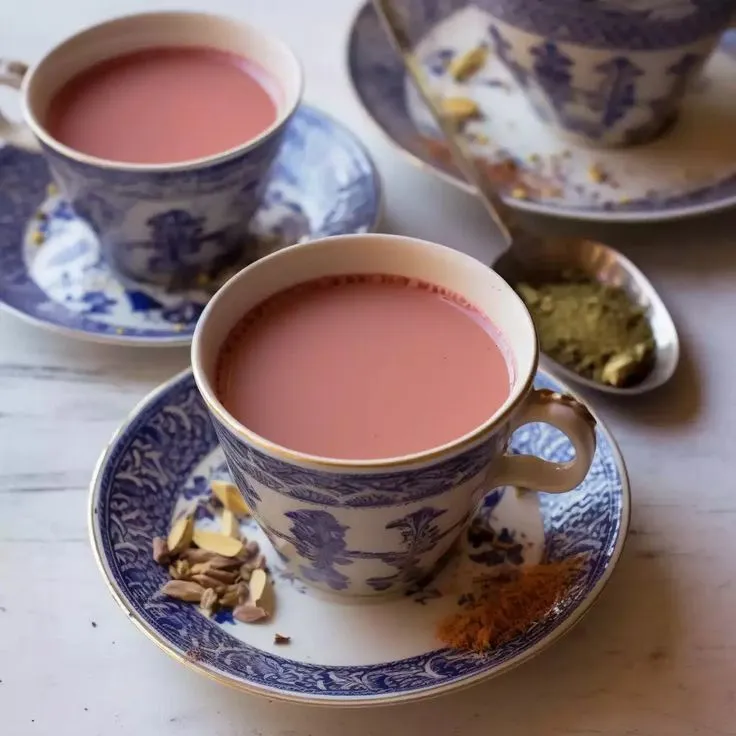
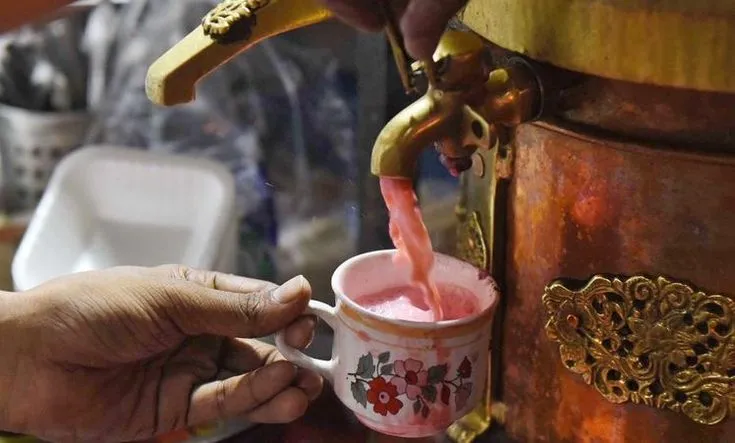
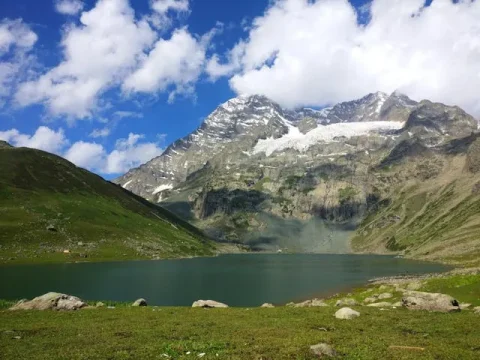
In the peaceful valleys of Kashmir, where mighty, snow-covered mountains kiss the clouds and the air is heavy with the murmurs of ancient stories, a steaming cup of Noon Chai does not only provide comfort, but is a bubbling blend of tradition, culture, and togetherness.
A Sip Through Time
The origins of Noon Chai are as rich and layered as its flavor. Some believe that it was brought to Kashmir by the 14th-century Persian Sufi saint Mir Syed Ali Hamdani, along with many other cultural influences, one of which was this strange tea. Then over time Kashmiris modified the tea, subbing butter for milk and cream and making a blend that was more suited to their own taste.
Cultural Significance of Noon Chai
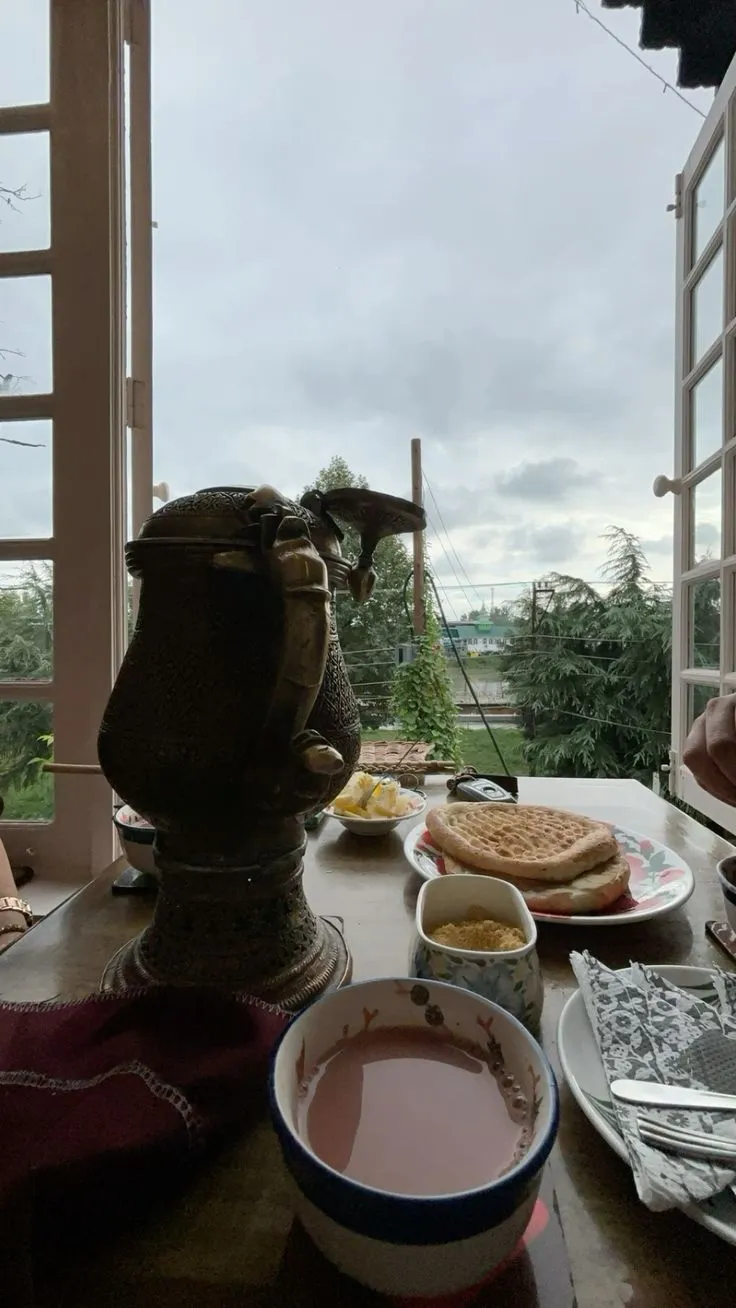
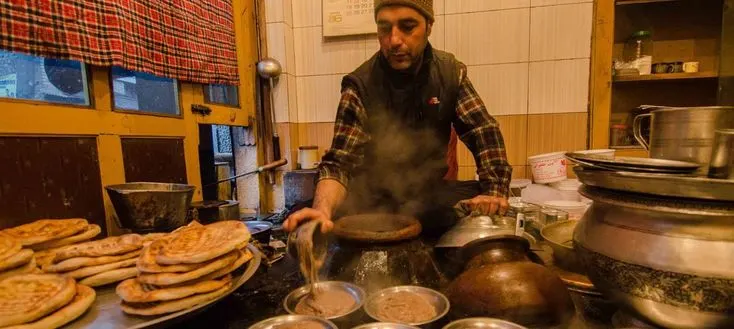
In Kashmiri tradition, Noon Chai represents more than just a beverage. It carries the spirit of hospitality and fellow feeling. It is served with local bread, such as kulcha, girda, or tsochwor, to share during breakfasts andevening gatherings. As a testimony to the richness of tradition in the region, the making of noon chai are deeply woven into social customs, festive occasions, and family get-togethers.
Health Benefits of Noon Chai
Aside from its unique taste, Noon Chai has other benefits to one’s health:
Rich in Antioxidants: Catechins, which combat oxidative stress and can decrease the risk of chronic diseases, are abundant in the green tea leaves used.
Cardiovascular Health: Green tea and milk complement each other to decrease LDL cholesterol and manage blood pressure when taken daily.
Digestive Aid: Noon Chai’s baking soda and salt are believed to facilitate healthy digestion and electrolyte levels.
Bone Strength: the nutrients of this tea, such as magnesium, potassium, and vitamin C, foster healthy bones.
Global Variations and Adaptations
With Noon Chai growing increasingly popular globally, a few adaptations have emerged:
Sweetened Versions: To satisfy different palates, sugar is added in some regions.
Plant-Based Alternatives: Almond or cashew milk can be used in place of regular milk for people who are allergic to dairy products, providing a vegan alternative.
Fusion dishes: These creative dishes combine traditional and contemporary culinary techniques by incorporating Noon Chai flavours into desserts like cakes and ice cream.
Traditional Brewing Equipment: The Samovar
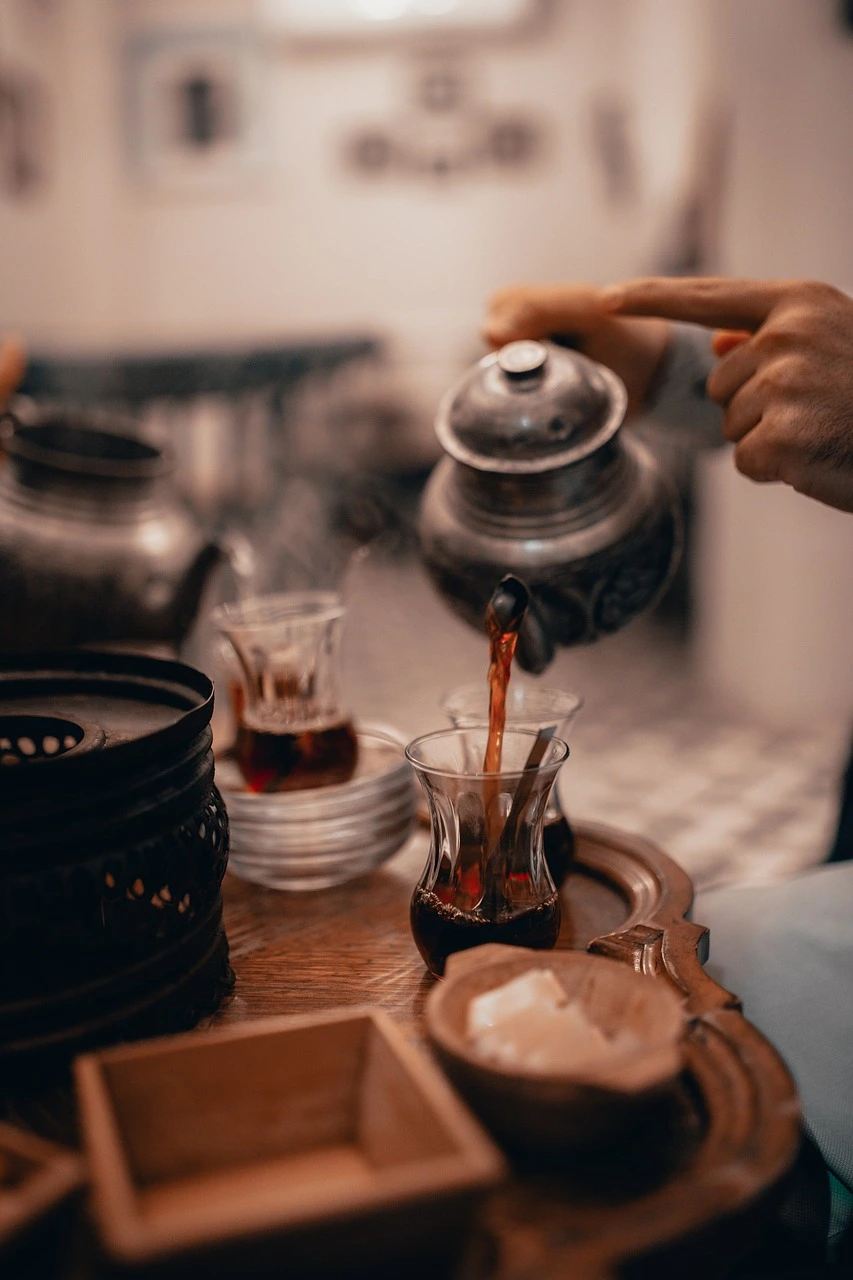
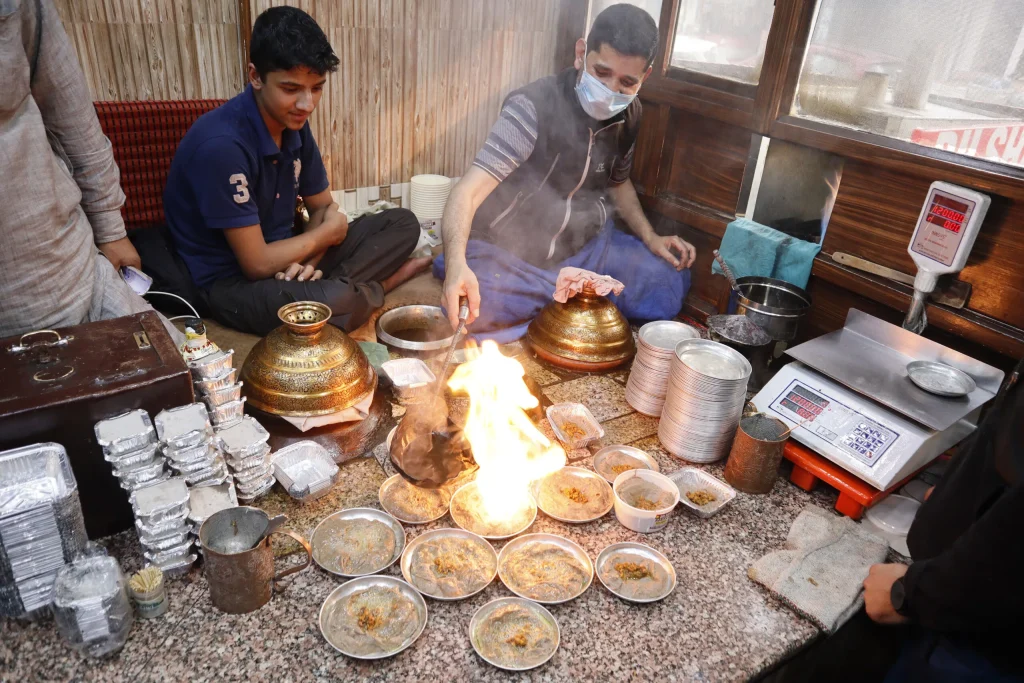
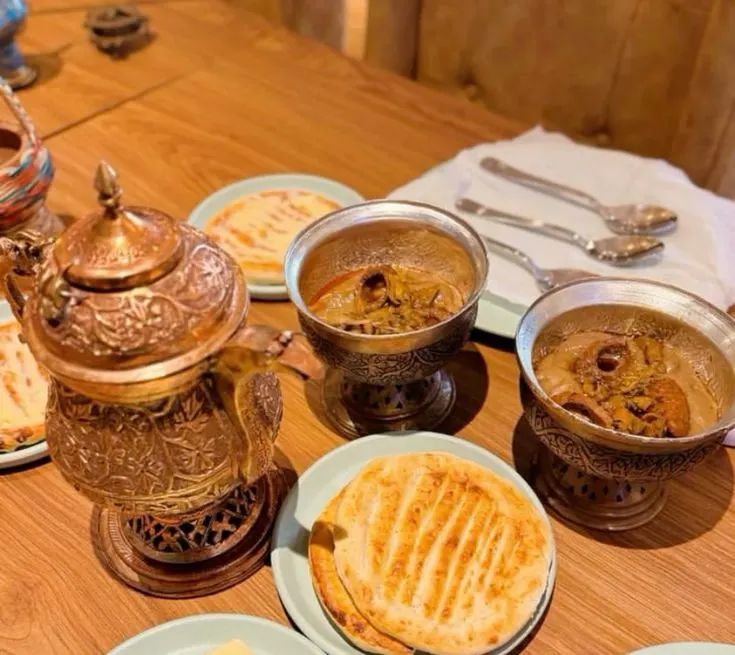
The samovar, a metal urn traditionally used to brew and warm the tea, is an essential part of preparing authentic Noon Chai. Beyond its functional purpose, the samovar also has cultural significance and is often passed down as a family heirloom over generations.
The Alchemy Behind the Pink
The idea of a rose-colored, salty tea might strike one as odd at first. But the process by which green tea is converted into this rose blend is a fascinating intersection of history and chemistry.
Noon Chai (Kashmiri Pink Tea) Recipe
Ingredients:
2 teaspoons Kashmiri green tea leaves (“Bombai Chai” if possible)
1 pinch baking soda (about 1/8 teaspoon)
2½ cups cold water
½ cup cold water (for shocking)
1⅔ cups whole milk
1 teaspoon salt
Optional garnishes: chopped almonds, pistachios, or a dollop of whipped cream
Instructions:
Prepare the Tea Base:
Add a pinch of baking soda, one teaspoon of ground green cardamom seeds, and two teaspoons of Kashmiri green tea leaves.
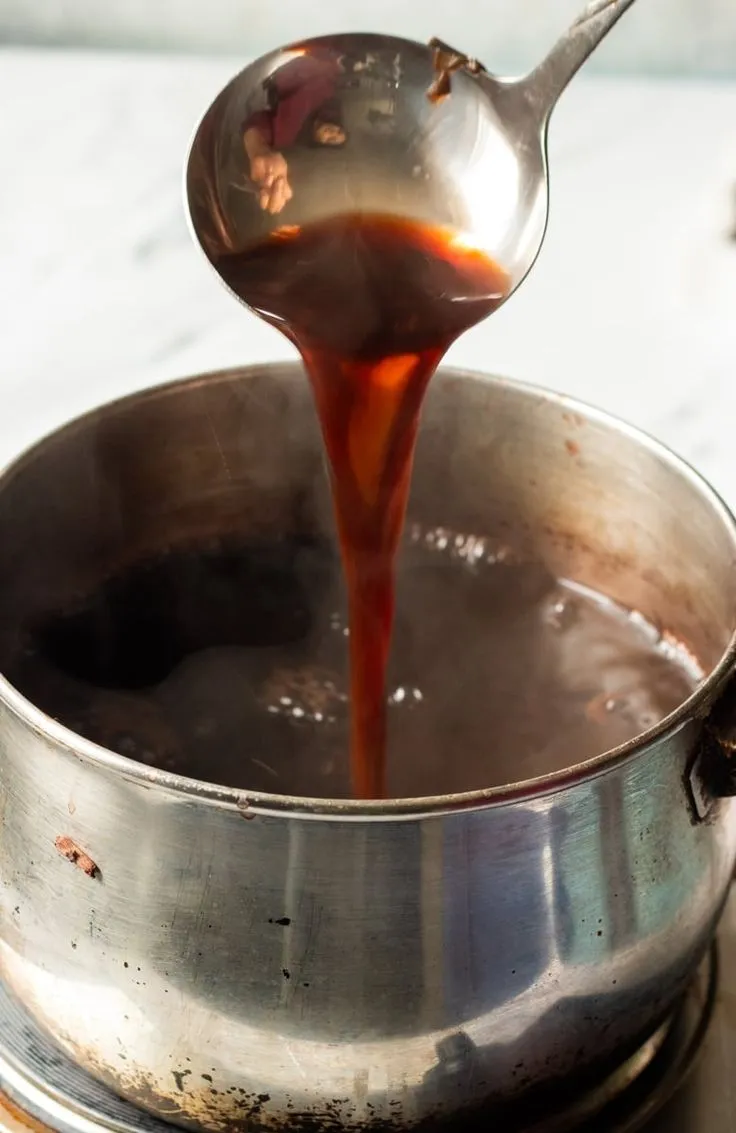
Cover the saucepan with a lid and let it simmer for ten to fifteen minutes. The tea and baking soda will react, imparting a deep red color to the water.
Shock the Tea:
After it has simmered, add ½ cup of cold water. This sudden change in temperature helps in color stabilization.
After straining the tea to remove the leaves, return the liquid to the pot.
Add Milk:
The tea concentrate should be blended with 1⅔ cups of whole milk.
Reheat the mixture until it boils, then reduce the heat and let it gently simmer for another 10 to 15 minutes. The characteristic pink color of Noon Chai is created by the combination of the burgundy tea and milk.
Season the Tea:
Add 1 teaspoon of salt to the tea and mix well.
Taste and adjust the salt as needed.
Serve:
Serve the Noon Chai in cups.
For a bit of added richness, garnish with chopped pistachios, almonds, or a spoonful of full-fat cream.
Tips:
Tea Leaves: The colour and flavour are enhanced by using high-quality Kashmiri green tea leaves, such as the gunpowder type.
Baking Soda: Just a small amount is essential to create the signature pink hue of noon chai. Don’t use more than is required because it can impart a soapy flavour to the food.
Milk: Almond or cashew milk can be substituted in for a dairy-free option, but whole milk provides a creamy texture.
Aeration: To aerate it and provide a frothier consistency, pour the tea back and forth between two containers before serving.
Traditionally, Noon Chai is made in a samovar, a metal urn that maintains the temperature of the tea for hours, enabling families to serve multiple cups over the course of a day.
More Than Just a Beverage
In Kashmiri homes, noon chai is more than just a beverage—it’s a cherished cultural experience. It’s being served with breakfast and tea parties in the afternoon and regularly offered with native breads of tsochwor, girda, or kulcha. Consumption of this tea is a uniting experience.
Beyond its daily enjoyment, noon chai holds deep ceremonial importance in Kashmiri tradition. It symbolizes hospitality and a rich history of Kashmir and is a staple during weddings, festivals, and other celebrations.
Modern versions have been created to fit contemporary lifestyles, although the old school preparation of Noon Chai is a labor of love. Easy recipes that incorporate pressure cookers or other shortcuts allow enthusiasts everywhere to experience this unique tea without compromising its foundational integrity.
In addition, Noon Chai has also been popularized by the worldwide diaspora, with the result being innovative versions such as sweeter ones in Pakistan or vegan ones prepared with cashew or almond milk.
Embracing the Pink Brew
In a world filled with coffee shops and new-age drinks, Noon Chai is a testament to the long lasting charm of tradition. Its distinctive taste profile, a perfect blend of savory and creamy notes, is a comforting hug, particularly on cold days.
So the next time you turn to a cup for warmth, try the pink elixir of Kashmir. Let Noon Chai take you to snow-covered valleys filled with stories of heritage, community, and eternal rituals.
kahwa, which is nothing but a traditional green tea, is not simply a beverage; it is a cultural, climatic and hospitable reflection of Kashmir. Sipped from elaborate engraved copper cups, kahwa provides warmth to a cold morning and a touch of grace to every gathering found in the valley. Whether you’re walking through a snow-laced meadow or relaxing after a hearty wazwaan, a cup of kahwa completes the experience.
Let’s explore the legacy, preparation, health benefits, and cultural significance of this aromatic drink that continues to charm both locals and visitors alike.
The Legacy of kahwa in Kashmiri Culture
kahwa has been a staple in Kashmiri homes for centuries. While there are differing opinions on its birthright, kahwa was most likely brought from Central Asia via its ancient home, the Silk Route. In Kashmir, kahwa took on the meaning of comfort, warmth, wellness, and welcome. kahwa becomes a naturally served drink to guests after festive feasts and in long winters to keep the body warm and hearts lighter.
kahwa is prepared in a traditional brass kettle (known as a samovar); kahwa embodies Kashmiri hospitality at its finest.
What Goes Into a Cup of Kashmiri Kahwa?
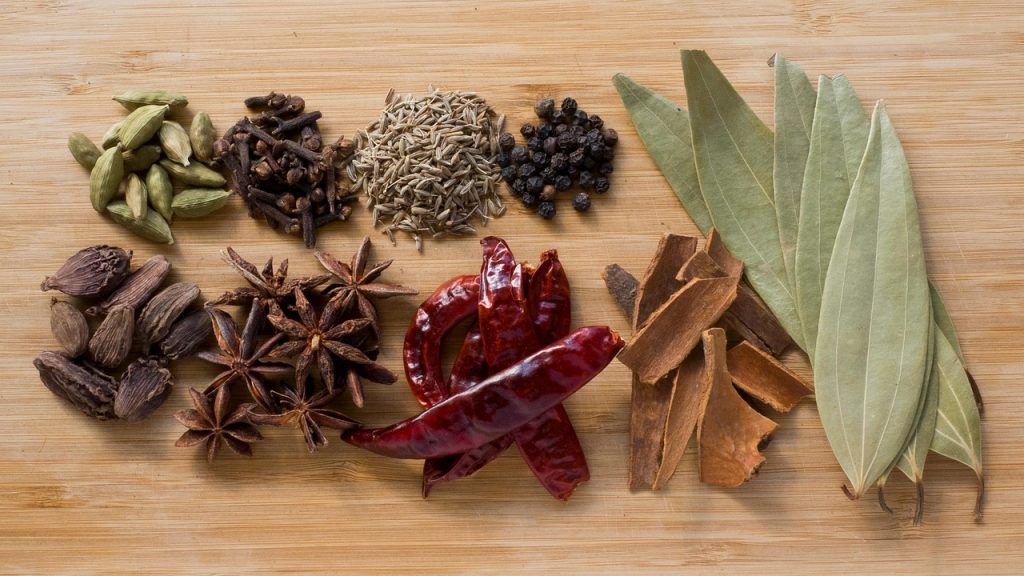
Authentic Kashmiri kahwa is a blend of green tea leaves brewed with a medley of spices and garnishes. The most common ingredients include
Green tea leaves—the base of the brew.
Cardamom and cinnamon—for warmth and aroma.
Cloves—add depth and spiciness.
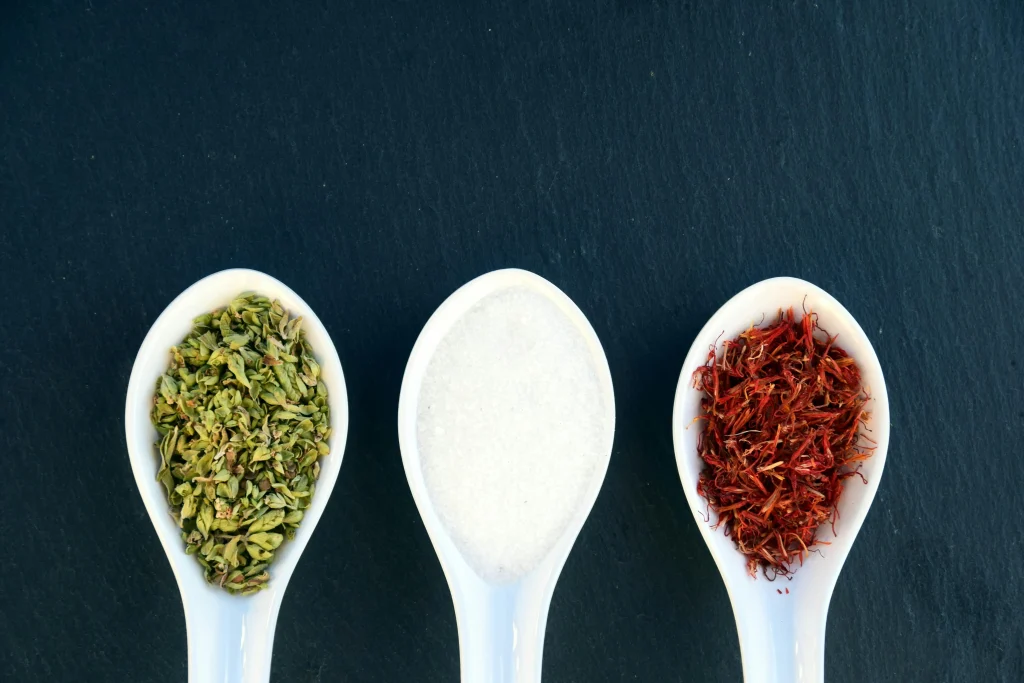
Saffron strands—for a golden color and fragrance.
Almond slivers—for a nutty finish.
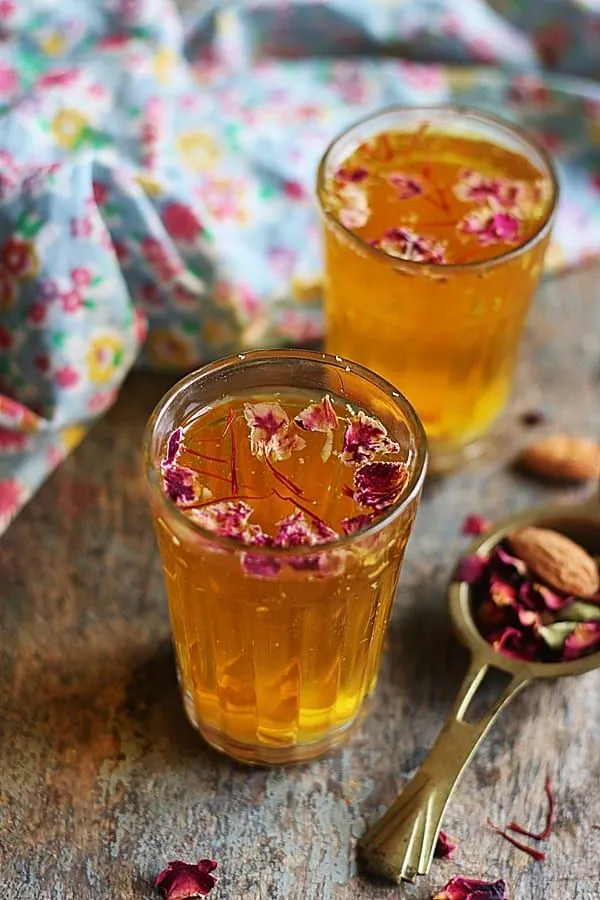
Some families add crushed walnuts, apricots, or rose petals for a richer twist. Served hot in shallow cups, often with a topping of saffron, kahwa is a drink that soothes from within.
How to Make Traditional Kashmiri Kahwa at Home
Making kahwa is an experience in itself. Here’s a simple recipe to try at home:
Ingredients:
2 cups of water
1 tsp green tea leaves
2–3 crushed cardamom pods
1 small stick of cinnamon
2 cloves
A few strands of saffron
1 tsp honey or sugar (optional)
Slivered almonds for garnish.
Method:
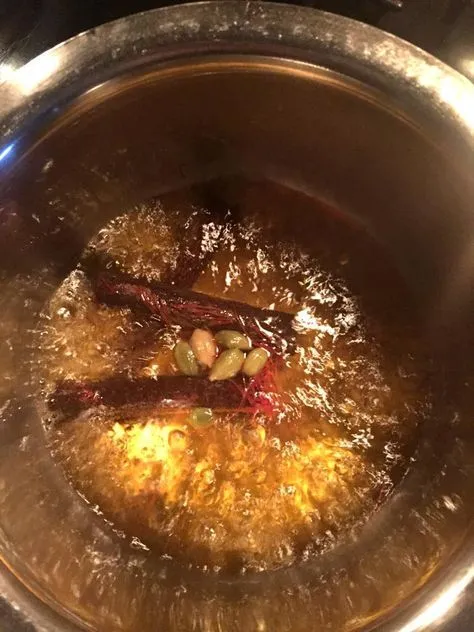
Boil water with cardamom, cinnamon, and cloves for five minutes.
Add saffron and green tea leaves; let it steep (don’t boil it further).
Strain into cups and garnish with almonds.
Sweeten as desired. Enjoy it warm.
Serve it in a brass or copper cup to enhance authenticity, and enjoy each sip.
Health Benefits of Kahwa
There are many health benefits to enjoying kahwa, but even more reasons to make it a daily habit.
Natural Detox
The green tea and spices together cleanse the body. kahwa rids the body of unwanted toxic buildup and improves digestion.
Boosts Metabolism & Aids Weight Loss
Cinnamon, green tea, and cardamom speed up metabolism and increase calorie burning. kahwa is often consumed by people on weight management diet programs.
Relieves Stress & Uplifts Mood
Many people use saffron in Ayurvedic medicine to help reduce anxiety and trigger relaxation. Something as simple as a warm cup of kahwa after a long day can help alleviate tension and improve your mind/body disposition.
Improves Immunity
Ingredients in kahwa, like cloves and cinnamon, contain antifungal, antimicrobial, and anti-inflammatory properties that enhance the defense system of your body, fostering strength and immunity.
Supports heart health.
Almonds in kahwa are rich in healthy fats that reduce cholesterol and support heart function.
Good for oral and digestive health.
Cardamom and cloves aid digestion and freshen breath. They also help relieve bloating and nausea.
Enhances Skin and Eyesight
The antioxidants in saffron, green tea, and almonds contribute to clearer skin and improved eyesight.
When is kahwa served in Kashmiri culture?
Kehwa is more than a daily drink; it’s a reflection of Kashmir’s traditions, warmth, and way of life. Here’s when it’s typically served:
During Winter Mornings and Evenings
The cold climate of Kashmir makes kehwa a favorite winter drink. Its warming spices and saffron help keep the body warm and the soul relaxed, especially when snowflakes fall outside.
No Wazwaan—a grand multi-course Kashmiri feast—is complete without a cup of kehwa. It acts as a digestive and is a respectful way to close such a royal meal.
Welcoming Guests
Serving kehwa is a cherished symbol of Kashmiri hospitality. Whether it’s a close friend, a distant relative, or a first-time visitor, kehwa is offered with warmth and sincerity. The aroma of cardamom and saffron sets the tone for conversations and comfort. It’s not just about tea—it’s about making someone feel at home.
Festivals and Celebrations
Kehwa is served during joyous moments like Eid, weddings, or family reunions. It’s also offered during times of sorrow, symbolizing peace, healing, and support. It binds people together in moments of both happiness and reflection.
During Illness Recovery
Thanks to its natural healing ingredients—like saffron, cinnamon, and cloves—kehwa is often recommended when someone is feeling under the weather. It soothes sore throats, relieves congestion, and gently boosts energy during recovery.
Evening Chai Sessions
Instead of regular milk tea, many Kashmiris prefer kehwa in the evenings—especially when gathered around a kangri (traditional fire pot) or a bukhaari (wood stove). It’s sipped slowly during heartfelt chats, while watching the snowfall, or while reading poetry. It turns an ordinary moment into something peaceful and memorable. Often, almonds or saffron threads float in the cup, making it both a treat for the eyes and a comfort for the heart.
Why Kahwa is a Must-try for Every Traveler.
When in Kashmir, make sure to have some kahwa during the daytime at a roadside dhaba or while taking a leisurely shikara ride on Dal Lake. You might even find some cafes with gourmet versions, like rose kahwa, saffron-almond kahwa, and even kahwa ice cream!
Kashmir doesn’t disappoint, whether it’s for the snow or saffron fields; kahwa combined with local seasonal delicacies is the ticket you beg for!
Embrace the spirit of Kashmir with kahwa.
Kahwa is more than a customary drink; kahwa is the essence of Kashmir’s beauty, warmth, and ancient practices; a single cup contains a thousand stories about the people and spirit of the valley and their love for guests.
Ready to discover more cultural gems of Kashmir? Explore our other blogs or plan your soulful escape with Kashmir Whispers today.
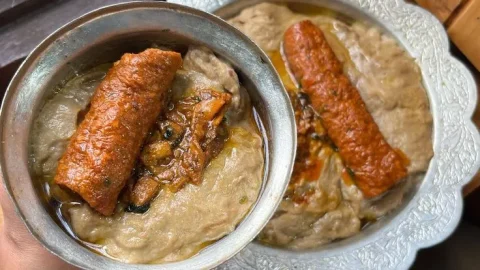
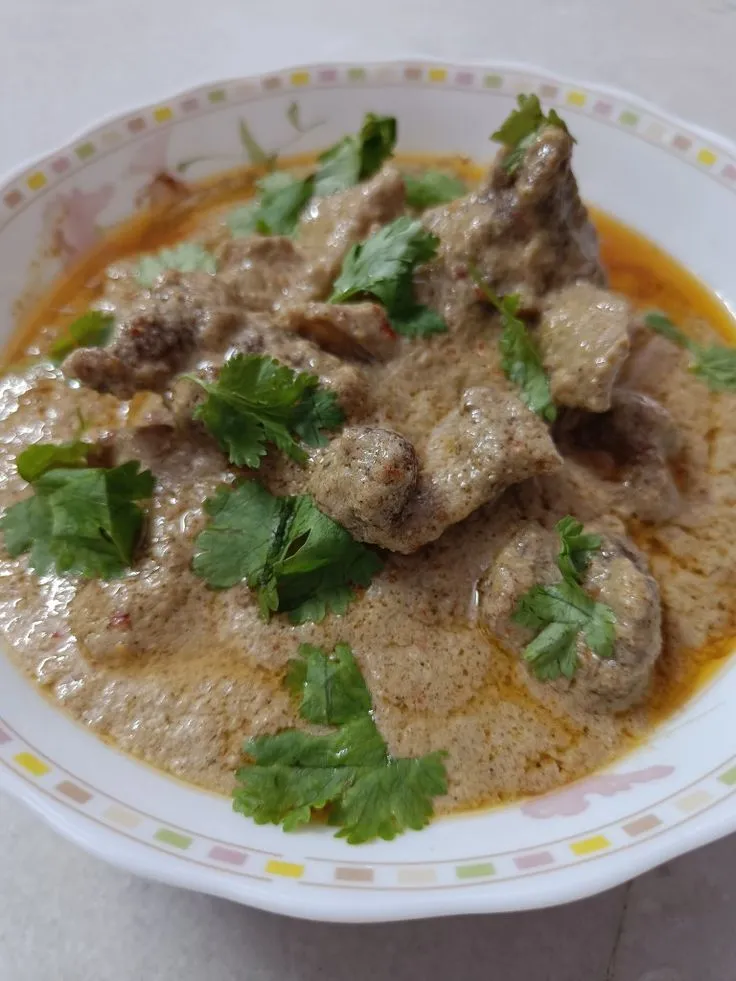
When winter comes to the Kashmir Valley, people turn to Harissa Kashmir. This native dish has warmed hearts for centuries. As snow and frost cover the region, it makes Harissa a favorite choice.
This slow-cooked mutton stew is hearty and filling. It’s more than a meal; it’s a cultural treasure that has won the hearts of many generations.
What is harissa?
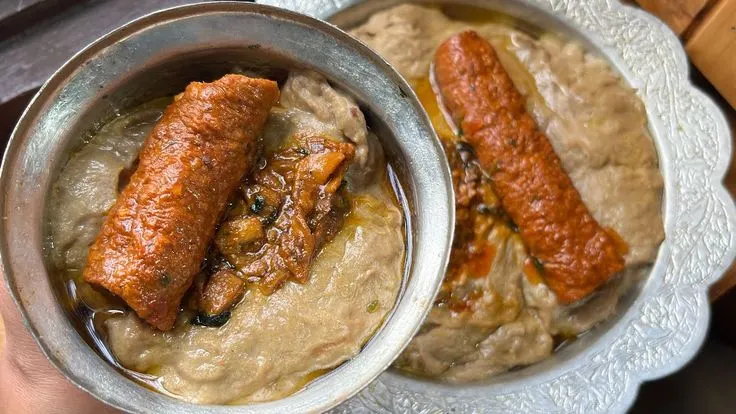
Harissa is a traditional dish from Kashmir. It involves slowly cooking mutton with spices and rice flour. This method results in a smooth, rich paste. People enjoy it in winter, especially in the morning. It gives warmth and energy for the day ahead.
A Glimpse into History
As legend has it, the Persian Sufi mystic Mir Syed Ali Hamdani brought Harissa to Kashmir in the fourteenth century. This dish evolved through the years with local traditions and spices to become a staple food for cold winter days. Prepared during Chillai Kalan, the 40-day period of intense cold, Harissa nourishes as much as it does comfort.
Why is harissa Kashmir special?
Winter Warmth: Harissa Kashmir keeps you warm, making it ideal for Kashmir’s chilly winters.
Folk Tradition: In Srinagar, especially in Aali Kadal and Saraf Kadal, people visit small harissa shops in the early hours of the morning, where they enjoy this dish along with others.
Family Tradition: The preparation of Harissa tends to become a family tradition, generation after generation, passing on techniques that are a great bond of togetherness among family members.
The Craft of Preparation of Harissa Kashmir
Preparation of authentic Harissa Kashmir is a patience-calling exercise that begins the previous day. Good-quality mutton with bones is cooked slowly overnight in a combination of aromatic spices like fennel seeds, cardamom, and cinnamon.
An expert minces the meat into a paste-like form and then removes the bones once it has turned soft.
Rice flour and milk add the characteristic harissa texture to the dish. The finishing touch, which adds depth and richness to the meal, is to finish it with crispy fried onions and a dash of hot oil.
Harissa in Contemporary Kashmir
Winter is when many families make Harissa. This dish is special in Srinagar’s old city. Harissa shops in Aali Kadal, Saraf Kadal, and Fateh Kadal are famous. Some have been serving this special dish for over a century. People dine on a meal of freshly prepared Harissa, accompanied by indigenous Kashmiri bread named Girda, as the shops open in the morning.
A Symbol of Tradition and Togetherness
In addition to its culinary appeal, Harissa symbolizes unity and tradition. It’s a tradition that families send some portions of Harissa to their relatives, especially newlywed daughters, as a symbol of love and unity. This tradition reiterates the use of the dish as not just food but as a symbol of familial bonding.
Recipe: Making Harissa Kashmir at Home
Ingredients:
1 kg mutton (preferably bone-in)
4 cloves of garlic
500 g red onions, coarsely chopped
8 peppercorns
3 tbsp of fennel seeds
4 cloves
2-inch cinnamon stick
4 brown cardamom
8 green cardamoms
Salt to taste
1 tbsp dried ginger powder
1 cup vegetable oil
½ cup rice flour
250 mL milk
1 cup crispy fried onions (for garnish)
Step-by-Step Instructions
1. Cook the mutton.
In a large pressure cooker, combine the mutton pieces with garlic, chopped onions, and spices. Add peppercorns, fennel seeds, cloves, a cinnamon stick, brown and green cardamoms, dried ginger powder, and salt.
Add sufficient water to submerge the meat.
Simmer on low heat for 45 minutes after cooking for about 2 whistles in a pressure cooker.
If you lack a pressure cooker, braise the meat in a pot until it’s tender and falling off the bone.
2. Prepare the meat mixture.
Allow the mixture to cool slightly after cooking.
Remove the bones from the mixture and any whole spices (like cardamom pods and cinnamon).
Puree the meat with a wooden spoon or masher until it is like a fine paste.
3. Add the rice flour.
To make a smooth slurry, mix the rice flour and a small amount of cold water in another basin.
Stir continuously to avoid lumps forming when you add this slurry slowly to the meat mixture.
4. Add milk
Add the milk and continue cooking at a low heat, stirring occasionally.
This will help you achieve a thick, porridge-like consistency.
5. Add oil
In another pan, heat the vegetable oil to the point of smoking.
Carefully pour the hot oil over the Harissa mixture; stir thoroughly to mix.
6. Final Step:
To prevent sticking, continue simmering over low heat and constantly stir.
Cook until the oil starts to separate and the harissa reaches your desired consistency (takes about 40 to 45 minutes).
Our deep dive into harissa shows this meal is more than delicious. It reflects Kashmir’s rich hospitality and heritage. Harissa gives a warm hug that connects generations. Whether you’re cooking it at home or facing Srinagar’s chilly mornings, it comforts you.
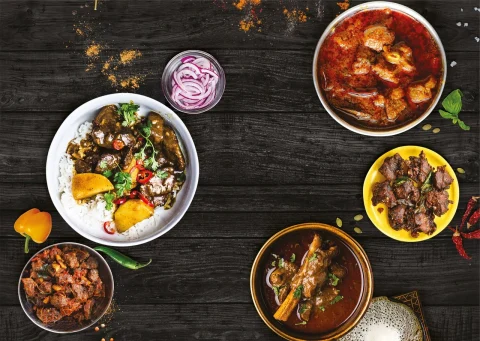
Wazwaan is the first thing that comes to mind when someone wants to have a feast and wants to taste kashmiri food and all famous varieties in just one meal. It stands as a cultural identity, an affirmation of tradition, and a representation of the variety and richness. The Wazwaan (or Wazwan) is referred to as the “royal feast” of the Kashmir Valley, a traditional multi-course meal using primarily mutton, chicken, spices and aromatics. It is largely associated with Kashmiri weddings, festivals (Eid), and celebratory events.
The word “Wazwaan” is the amalgamation of two Persian words: Waza, meaning cook, and Waan, meaning shop or place. Together, these words signify the grand kitchen from which Wazwaan magic unfolds.
The Significance of Wazwaan in Kashmiri Culture
In a Kashmiri household, Wazwaan is not food; it is emotions, culture, and a way of life passed down to each successive generation. It resonates from mothers to daughters and mothers and fathers to sons. it is prepared and served at times of marriages, Eid, and other social/cultural functions and serves to strengthen social bonds and demonstrate Kashmiri hospitality.
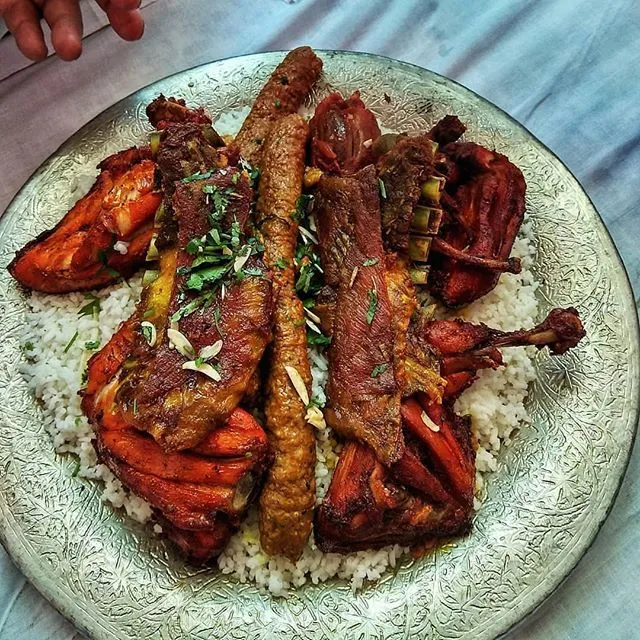
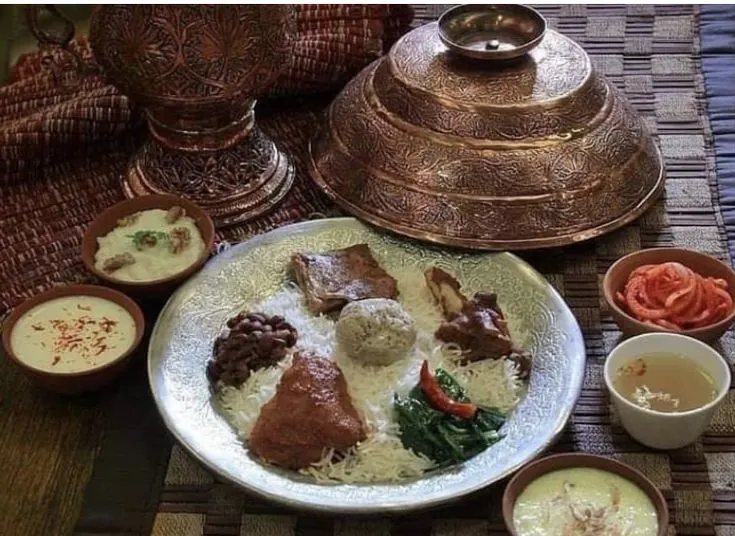
Guests enjoy more than just food at a Wazwaan; they are invited as esteemed guests at their meal. Sitting together and participating in a meal served on a shared trami (a large copper plate) provides a shared experience, illustrating Kashmiri communal values deeply rooted in Kashmiri society.
The Waza: Master Chef of the Valley
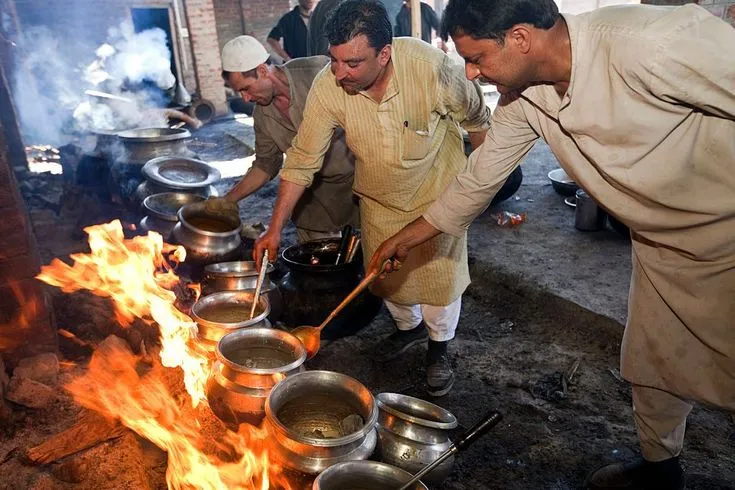
The waza is the soul behind every wazwaan, bringing life and flavour to the feast. A Waza is a traditional and artisanal chef who takes a lifetime to train. Most Waza are trained from a young age and often under the watchful eye of a father or elder Waza. The recipes they follow have been passed down through generations, memorized as secrets over hundreds of years of tradition, centuries-old and carefully guarded secrets.
A good Waza not only knows how to cook but also how to balance flavours, time the cooking of each dish perfectly, and manage large-scale cooking in massive copper pots known as degchis. Typical waza loves and prefer to cook on wood-based ovens or oven-like thing, which they make on their own at the wedding site specifically.
Must-Try Dishes in a Traditional Wazwaan
Though a complete Wazwaan can include up to 36 dishes, only a few key delicacies truly define this royal meal. These dishes showcase the waza’s mystery and highlight the distinct flavours of Kashmiri cuisine.
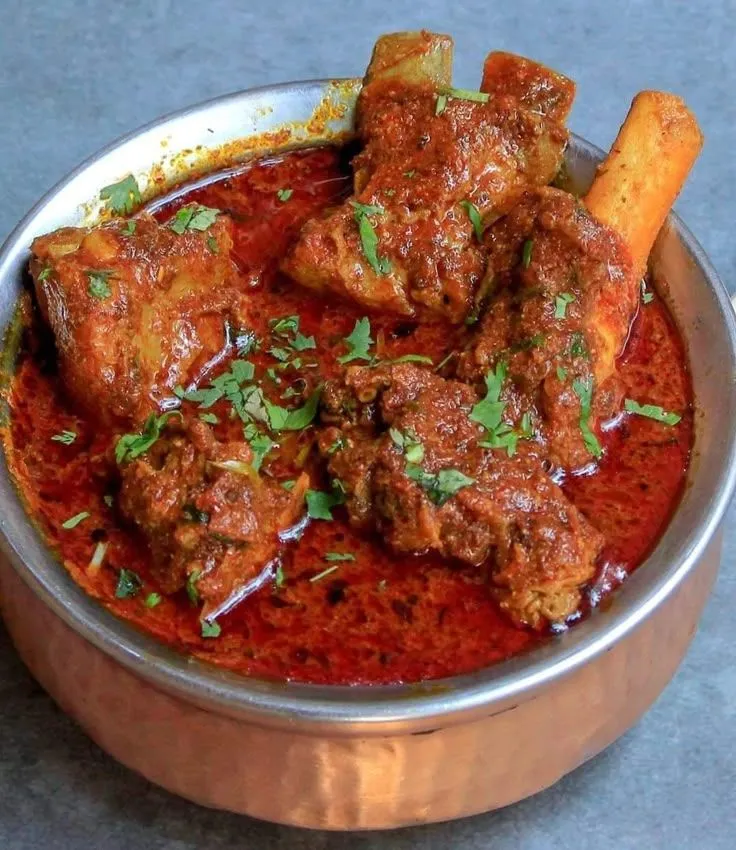
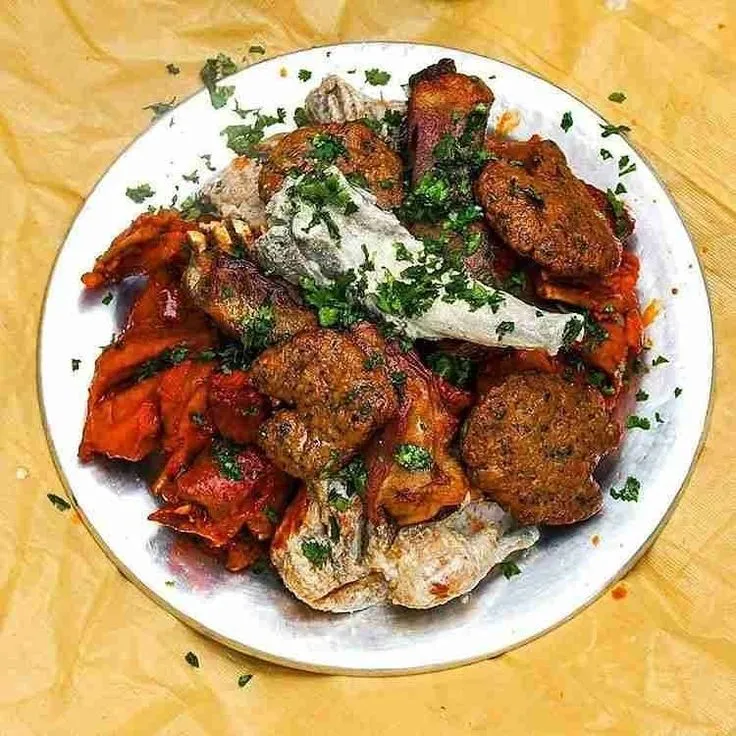
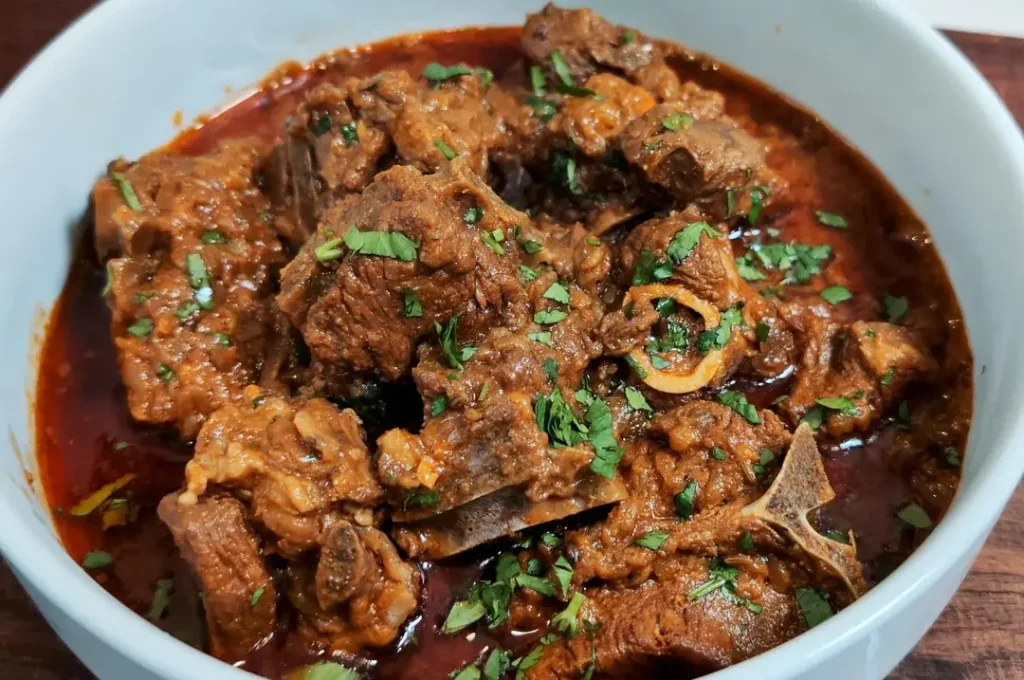
Rogan Josh is among the most iconic Kashmiri dish. Rogan Josh contains tender pieces of mutton that are simmered in a gravy made from Kashmiri dried red chillies, fennel, ginger powder, and yogurt. Despite its lit red colour, the flavour is considered mild yet aromatic. The result is a rich, luscious curry that melts in your mouth and sets the tone for the rest of the feast.
2. Gushtaba
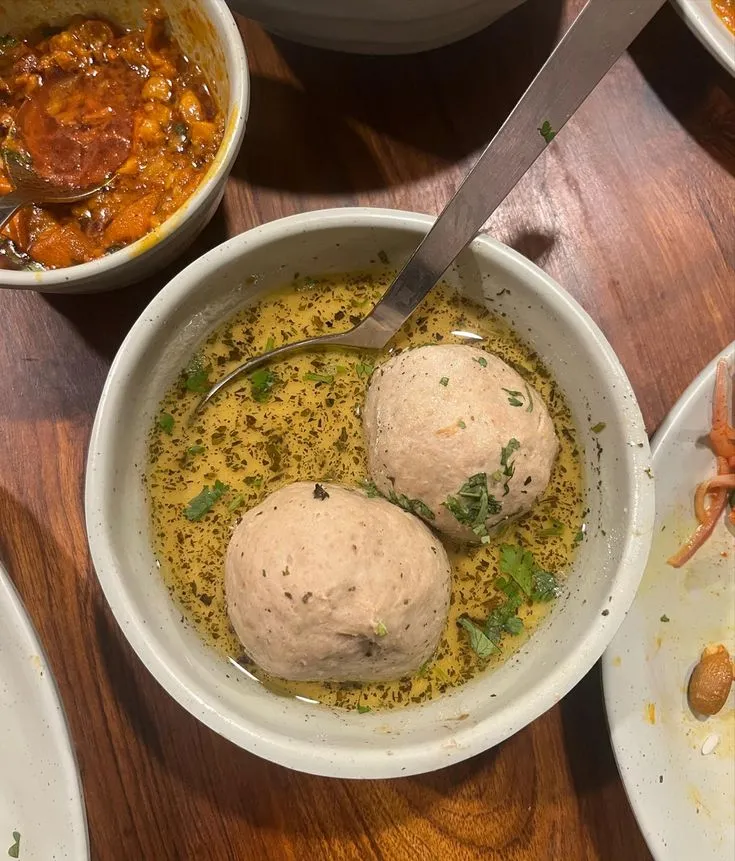
Often called the “dish of kings,” it is a velvety meatball crafted from finely pounded mutton, shaped by hand, and simmered in a rich yogurt-based gravy. It’s always served last, signifying the end of the Wazwaan, and is meant to leave a lasting impression. It has a creamy texture.
3. Rista
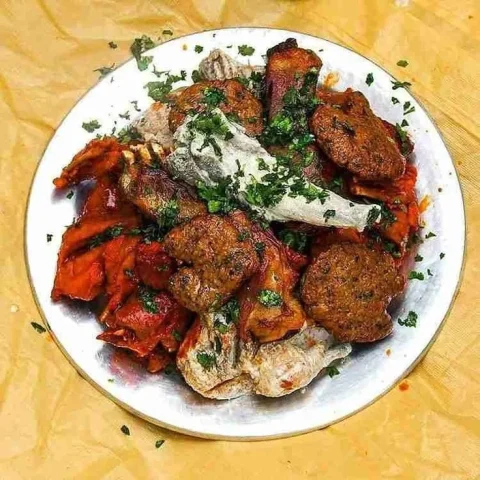
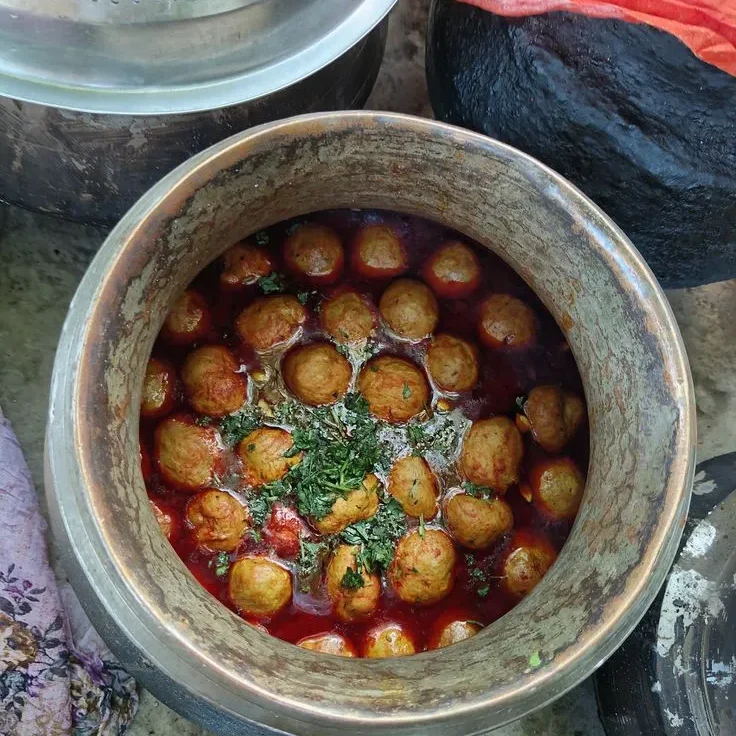
These are bright red mutton meatballs simmered in a fiery and chili-infused gravy. The preparation involves laborious pounding of mutton into a paste to ensure a light, spongy texture. Served early in the meal, mostly four ristas are served on a trami , and if you know the waza, maybe there is a chance of getting an extra one at a wedding or an event. Rista brings both color and spice to the platter, waking up your palate in the most delightful way.
4. Tabak Maaz
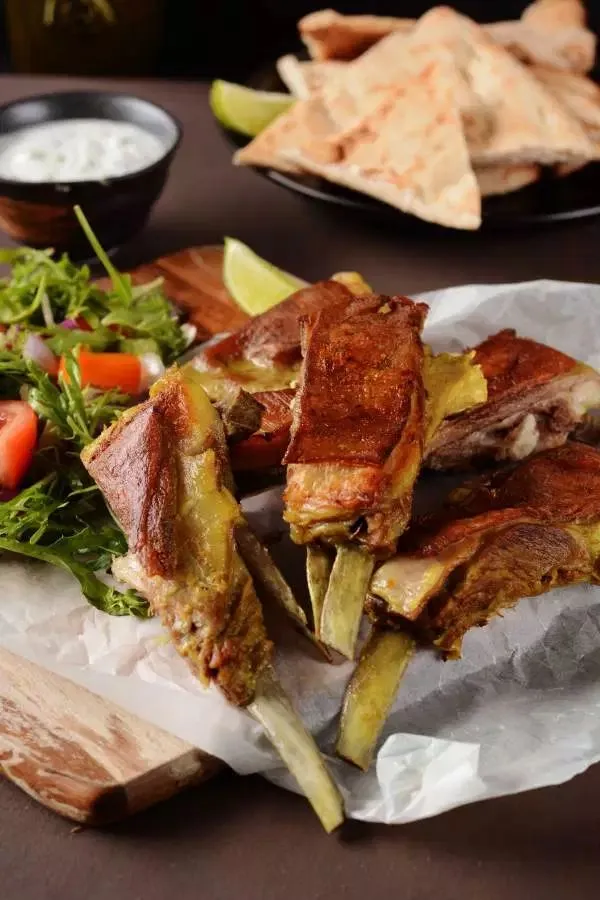
For meat lovers, Tabak Maaz consists of lamb ribs, which are first simmered in a spiced milk broth, then shallow-fried in ghee until crisp and golden on the outside. Though the exterior is crunchy, the meat inside remains tender and juicy. It’s usually served right at the beginning to build appetite and excitement.
5. Marchwangan Korma
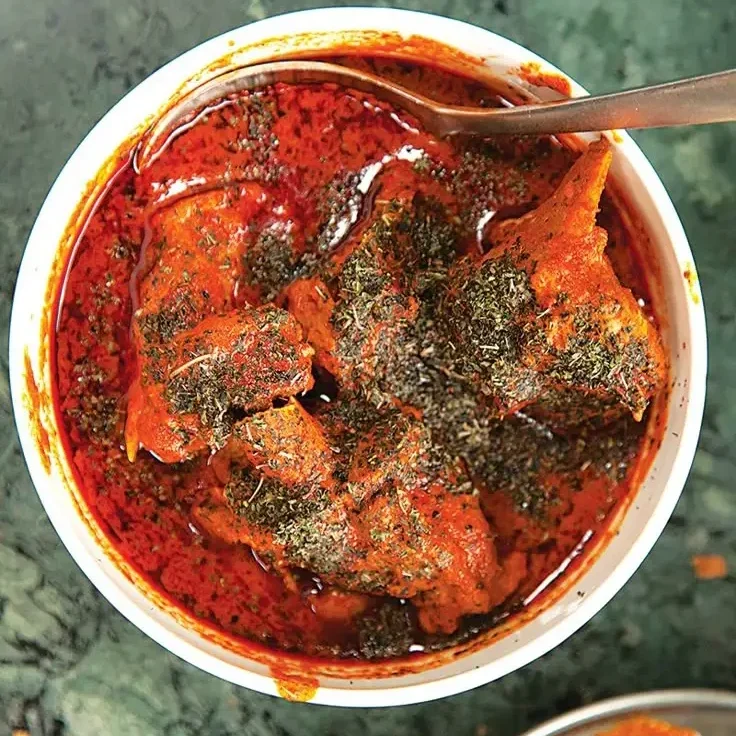
Rephrasing to “red chili curry,” this dish features mutton pieces cooked in a fiery red gravy made primarily of Kashmiri marchwangan (dry red chillies) and yogurt. Unlike Rogan Josh, this one has a hotter profile and is a hit with spice lovers.
6. Daniwal Korma
This is a lighter and more aromatic cousin of the other gravies. Cooked with crushed coriander (daniwal), green cardamom, and yogurt, it offers a refreshing change in the sequence of spicy dishes. It brings a herbaceous, subtle flavor that balances out the heat of previous courses.
Behind the Scenes: The Preparation Process
Preparing a Wazwaan begins with the planning while having a meeting with the head waza, then making a detailed list of things that are needed; the cooking begins a day (or two) before the event. A team of Wazas, led by a head chef, sets up open-air kitchens or special tented cooking areas. Ingredients are sourced fresh, and meats are cleaned and marinated by hand.
The pounding of meat, grinding of spices, slow cooking in large copper pots, and the constant supervision make this not just cooking, but a ritual. For Kashmiris, Wazwaan is an act of devotion.
A Feast with a Flow: How Wazwaan is Served
Wazwaan is traditionally served in a grand copper platter locally known as a trami, shared among four people. The base layer of the trami includes rice, kebabs, and sometimes pieces of chicken or tabak maaz.
Then begins the parade of dishes, served one after another in a graceful flow by serving Wazas. With each new dish, guests experience a different flavor, aroma, and texture, making the meal both theatrical and memorable.
Why Wazwaan is a Must-Try Experience for Every Traveler
Wazwaan is more than feast—it is a cultural ritual woven into the kashmiri identity. For visitors to Kashmir, enjoying Wazwaan is a way to experience the essence of the valley.
Restaurants in Srinagar and all over Kashmir sell curated Wazwaan experiences. Foodie or cultural explorer, trying Wazwaan should be at the top of your bucket list.
A Modern Take on a Traditional Treasure
Although the true essence of Wazwaan is unaltered, modern Kashmiri chefs and restaurants experiment with size (portion size) and presentation for ease of use for tourists and solo diners alike.
Mini-Wazwaans or “Wazwaan platters,” are now served at many eateries across the valley such that even short-stay travelers can enjoy a royal feast.
More Than a Meal, It’s Kashmir on a Plate
Wazwaan is a beautiful depiction of Kashmir’s culture: rich, warm, complex, and memorable. Every bite has a few centuries of tradition, centuries of family stories, and the warmth of Kashmiri hospitality.
So, when you plan your trip to the valley, don’t just see Kashmir – taste it. Let Kashmir Whispersbe your guide to a taste of flavor, culture, and unforgettable experiences.
Explore More with Kashmir Whispers Interested in Kashmir’s vibrant culture and cuisine? Check out our other blogs..
Mutton Roganjosh is one of the shining stars of Kashmiri cuisine, a classic dish that flawlessly captures the spirit of the valley. The name itself tells us its story. “Rogan” means oil, and “Josh” refers to intense heat or passion, an appropriate description for this invaluable red curry steeped with spices.
Originally introduced to Kashmir by the Mughals, and through the years it has developed into a common wild-card dish in the traditional Wazwan meal.
Mutton Roganjosh is different from an ordinary Indian curry: mutton roganjosh is known for its deep, vibrant red color achieved not by chilies but by kashmiri red chilies and the unique use of ratan jot (alkanet root) that styles the dish from the base of the curry to the final touches, which artificially give the curry its depth of colour.
It is a sensory experience — warm, fragrant, and the kind of dish that warms you.
Ingredients for Mutton Roganjosh
Here’s what you’ll need to recreate this authentic dish:
1 kg mutton (bone-in pieces, preferably from the leg)
1/2 cup mustard oil or ghee
1 cup yogurt (well-whisked)
1 tsp asafoetida (hing)
2 tsp dry ginger powder (sonth)
2 tbsp fennel powder
5–6 cloves
4 green cardamoms
2 black cardamoms
1 cinnamon stick
1 bay leaf
1 tsp Kashmiri red chili powder (for color)
Salt to taste
1/2 tsp turmeric powder (optional)
Water as needed
Local tip: For the most authentic flavor, ask your butcher for “raan” (leg piece of the lamb) and source Kashmiri chili powder for the deep red colour without extreme heat.
Step-by-Step Preparation of Mutton Roganjosh
Step 1:
Heat mustard oil in a heavy-bottomed pot until it reaches the smoking point.Reduce the heat and add the whole spices cloves, cardamoms, cinnamon, and bay leaf. Let them release their aroma.
Add mutton pieces and sear them on medium-high heat until they turn golden brown on all sides. This is an important flavor step and shouldn’t be skipped, because this step locks in the flavor.
Step 2:
Add asafoetida, followed by dry ginger and fennel powders. Stir well to coat the meat evenly. Lower the heat and mix in the whisked yogurt gradually to prevent curdling. Stir continuously.
Step 3:
Put in Kashmiri chili powder for its signature color. Add salt as per taste, and pour in the water until the meat is just covered. Bring to a boil, reduce the heat, and cover to simmer for 1.5 to 2 hours or until the meat is tender and the gravy thickens.
Serving Suggestions
Mutton Roganjosh pairs beautifully with
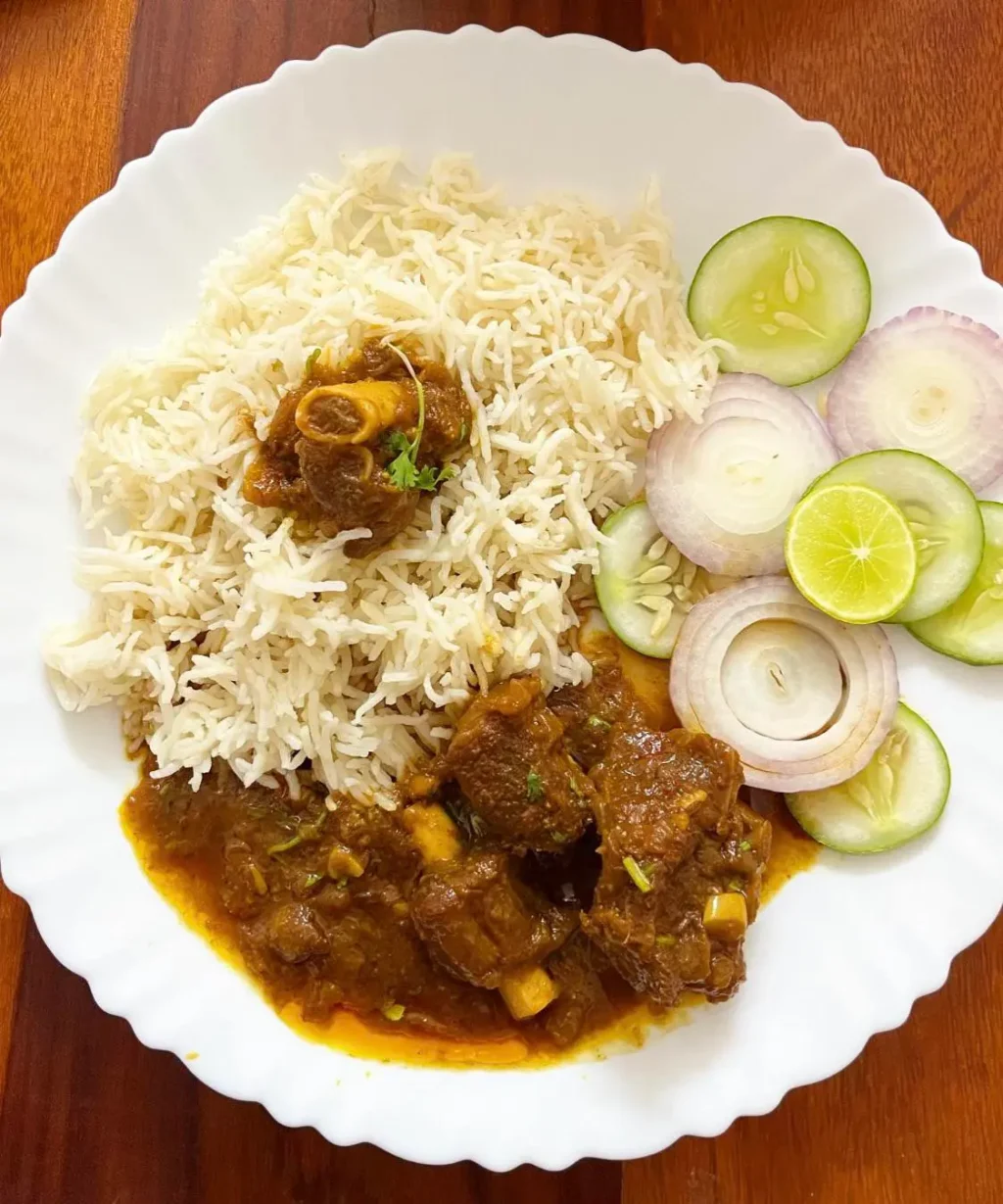
Steamed Basmati Rice—The fluffy grains soak up the gravy.
Kashmiri Naan or Sheermal – For a richer meal.
Turnip Yakhni – A common winter side dish in Kashmiri homes.
Wazwaan — A traditional kashmiri feast.
Add a bowl of cucumber raita or fresh salad to balance the heat with coolness.
Tips and Variations
Marination Bonus: Marinating the mutton with a bit of salt and yogurt should tenderize the meat even more.
Ghee Upgrade:if you want to kick up the flavor, then you can substitute half the oil with ghee.
Vegetarian Option: For a vegetarian version, you can use paneer or mushrooms and adjust the simmering time accordingly.
Slow Cook: For deeper flavor, cook it over low heat. Patience is the secret spice.
Cultural Significance of Mutton Roganjosh in Kashmir
In Kashmir, mutton roganjosh is not just a dish, but it is a memory served on a plate. Mutton roganjosh is perhaps the most celebrated dish of the Wazwan, a ceremonial feast composed of over 30 courses, most of them meat-based. No Kashmiri celebration is complete without it.
Even in daily life, this dish symbolizes warmth and hospitality. Especially when a guest arrives, serving them mutton roganjosh is a sign of high regard.
Fun Fact: Many Kashmiri families have their own closely guarded roganjosh recipe passed down through generations from the mothers.
Pairing It With a Kashmiri Experience
To truly embrace the essence of mutton roganjosh, imagine dining in a traditional Kashmiri home, sitting on the floor with copper utensils, and being served this hearty dish with rice and kehwa (saffron tea) to finish.
So whether you’re cooking it in your own kitchen or planning a trip to Kashmir, this dish connects you with Kashmir in the most flavorful way.
A Dish That Tells a Story
Mutton Roganjosh is more than a recipe; it’s a culinary history that has been passed down through generations of Kashmiri kitchens. It is that each bite is filled with the smell of saffron fields, the embrace of a traditional home, and the love of a slow-cooked meal. Whether hosting a celebration or it is your first time cooking it, it has the ability to leave its mark on you.
Ready to Taste Kashmir at Home?
Bring the magic of the valley into your kitchen with this authentic mutton roganjosh recipe. And if you’re planning a visit, don’t miss trying it fresh at a local Kashmiri home or Wazwan feast. For more soulful recipes and travel insights, check out our other blogs onKashmir Whispers.
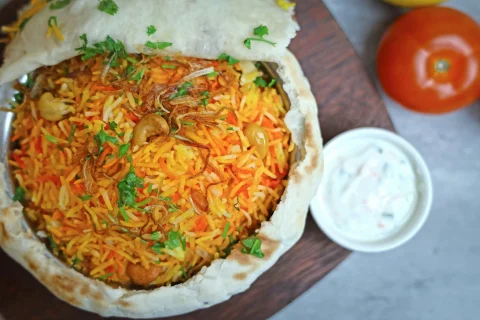
Kashmiri Pulao is much more than just rice with dry fruits; it is poetry in a pot. Important in Kashmiri history, the dish comes from the kitchens of Kashmir’s royal families and is related to the region of Kashmir, a place where food is not just food; it’s a celebration. Kashmiri Pulao is also sweet; unlike spicy biryanis, the pulao is sweetened with saffron, dry fruits, and aromatic spices.
Kashmiri Pulao is usually served at a wedding, festival, or casual family dinner, where it brings warmth, love, hospitality, and tradition.
Kashmiri Pulao vs. Other Pulaos: What Makes It Unique?
While most Indian pulaos are savory and spice-driven, but Kashmiri Pulao stands apart with its unique sweetness and luxurious texture. Here’s what makes kashmiri pulao unique and special:
Saffron: Which is sourced from fields of Pampore, saffron gives the dish its golden hue and heavenly fragrance.
Dry Fruits & Nuts: Slices of Almonds, raisins, cashews, and even pomegranate seeds, which add texture and richness.
Fruits: Apples or pineapples are often used for a mild tart-sweet contrast.
No Meat, Yet Rich: Though vegetarian, the layered flavor profile makes it a royal dish.
Ingredients
Each ingredient in Kashmiri Pulao is chosen with an intention:
Saffron (Kesar): Harvested in autumn, the ingredient offers flavor, cultural meaning (in Kashmir, it’s grown in a specific region), and properties that are fundamental to the royal meal.
Desi Ghee: An immensely diverse ingredient that adds a nutty aroma and keeps the pulao moist.
Cardamom, Cinnamon & Bay Leaves: Bring warmth and gentle spiciness.
Fruits (Optional): Adds freshness and color contrast to the dish.
These ingredients function not simply as ingredients but manifest and characterize the geography, seasons, and soul of Kashmir.
How to Make Authentic Kashmiri Pulao?
Ingredients:
1 cup basmati rice (soak for 20-30 mins)
2 tbsp ghee (any)
1 small cinnamon stick
2 green cardamoms
1 bay leaf
Pinch of saffron soaked in warm milk
10-12 raisins
5-6 almonds and cashews (sliced)
Salt to taste (as per your personal choice)
½ apple or pomegranate seeds (for garnish (not compulsory))
1 tsp sugar (optional)
Instructions:
Heat ghee in a pan and lightly roast nuts and raisins lightly. Set aside.
After that, add the whole spices directly to the pan and sauté(fried quickly).
When the whole spices roast, Add soaked rice and stir gently to coat the rice with ghee and spices.
Add 2 cups of water and saffron milk. Cook covered until the rice is soft.
Gently mix in roasted nuts and fruit before serving.
Local Tip: Cook on a low flame using a heavy-bottom pot, which is similar to the slow-cooking style (dum) traditional in Kashmiri households.
When is Kashmiri Pulao Served?
In Kashmiri homes, pulao often appears during the following events:
Festivals like Eid, Nowruz, or weddings.
Family Gatherings, where it’s paired with creamy yogurt or spicy dishes like Rogan Josh.
Wazwan Feasts, which serve as a mild relief between spicier courses, are mostly in wedding functions.
Why Travelers Fall in Love with It
Kashmir is often expected to surprise travelers with snow, lakes, and gardens. But it’s the unexpected flavors like Kashmiri Pulao that leave a lasting impression. Many say the first bite, with the mix of warm rice, saffron, and nuts, feels like being welcomed into a Kashmiri home.
For many, the first nourishment, entire grains of warm rice, saffron, and nuts, tastes like an invitation into the walled enclosure of a Kashmiri home.
If you’re visiting, don’t miss trying this dish at:
Ahdoos Restaurant, Lal Chowk, Srinagar – Authentic and family-style.
Shamyana, Boulevard Road – Famous for its ambiance and flavor.
Mughal Darbar, Residency Road – Famous for the taste and authenticity.
Local Homestays—The most heartfelt version often comes from a local kitchen.
Kashmiri Pulao: More Than a Recipe, It’s a Memory
Kashmiri Pulao is not just about the ingredients or method. it’s about sharing a piece of Kashmir’s soul. Every bite has the taste of tradition, the touch of local hands, and the warmth of Kashmiri hospitality.
Planning to explore the flavors of Kashmir? Let Kashmir Whispers guide you. Check out our blog section for more local recipes, hidden gems, and travel tips!
Srinagar kashmir tourism reverberates a quiet kind of beauty as the Sun rises above the city and the floating market begins to bustle through the glassy surface of Dal Lake. Here the morning doesn’t start with an alarm but with the scent of saffron tea drifting through the walls of the wooden houseboat.
The mixture of nature, culture, and hospitality makes the experience of srinagar kashmir tourism an exceptional experience. From snow-covered peaks and blooming gardens to fully packed bazaars (markets) and timeless shrines, every corner of srinagar carries a story.
In this blog, discover why Srinagar is not just a destination but an emotion. We’ll take you through top attractions, hidden gems, seasonal experiences, and local tips to help you explore this magical city like never before.
Why Srinagar Is More Than a Tourist Spot
Srinagar isn’t just a place that offers only sightseeing and exploring the city, but a soul-touching experience. Every stone in Srinagar has a story, whether whispered through ancient shrines and Mughal gardens. Daily life here is full of nature, culture, and tradition.
Srinagar is unforgettable for sights, smells (of saffron and spice), sounds (of azaan echoing across the lake), and feeling (the crispness of the mountain air).
Iconic Places That Define Srinagar Kashmir Tourism
Dal Lake: The Soul of the Srinagar Kashmir Tourism
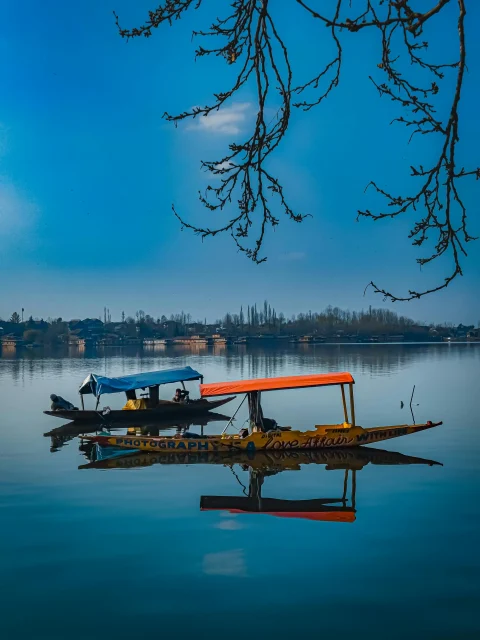
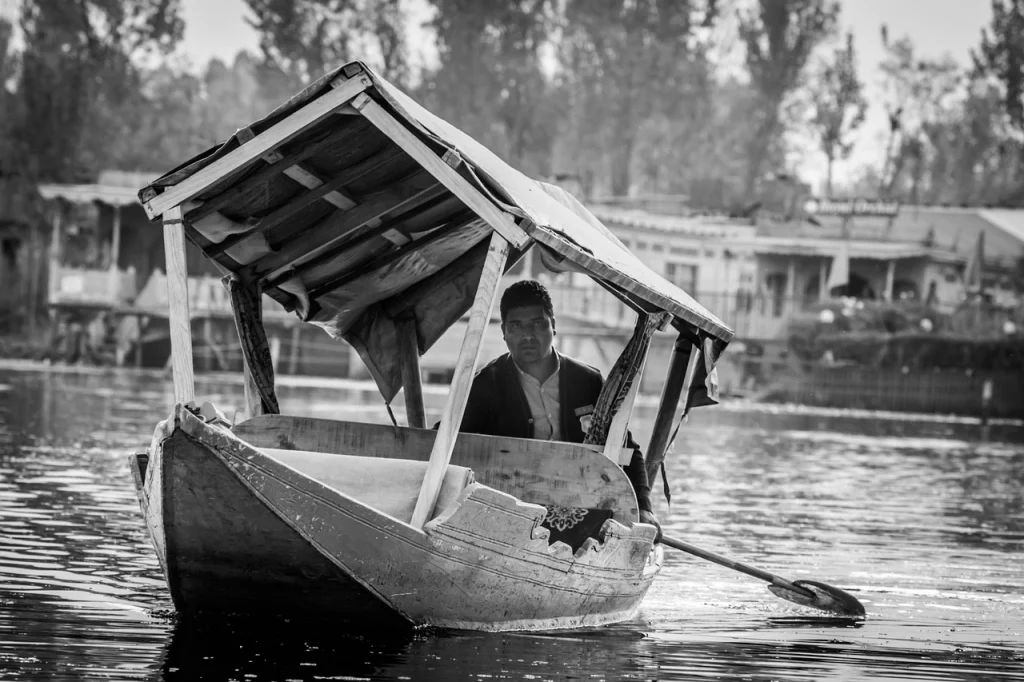
The Dal Lake is more than simply a water body; it’s the heart of Srinagar, where culture and tradition float, accompanied by the wooden shikaras. Mornings begin with the paddling boatmen and the vibrant hustle of floating vegetable markets, while evenings end with a walk round the boulevard road.
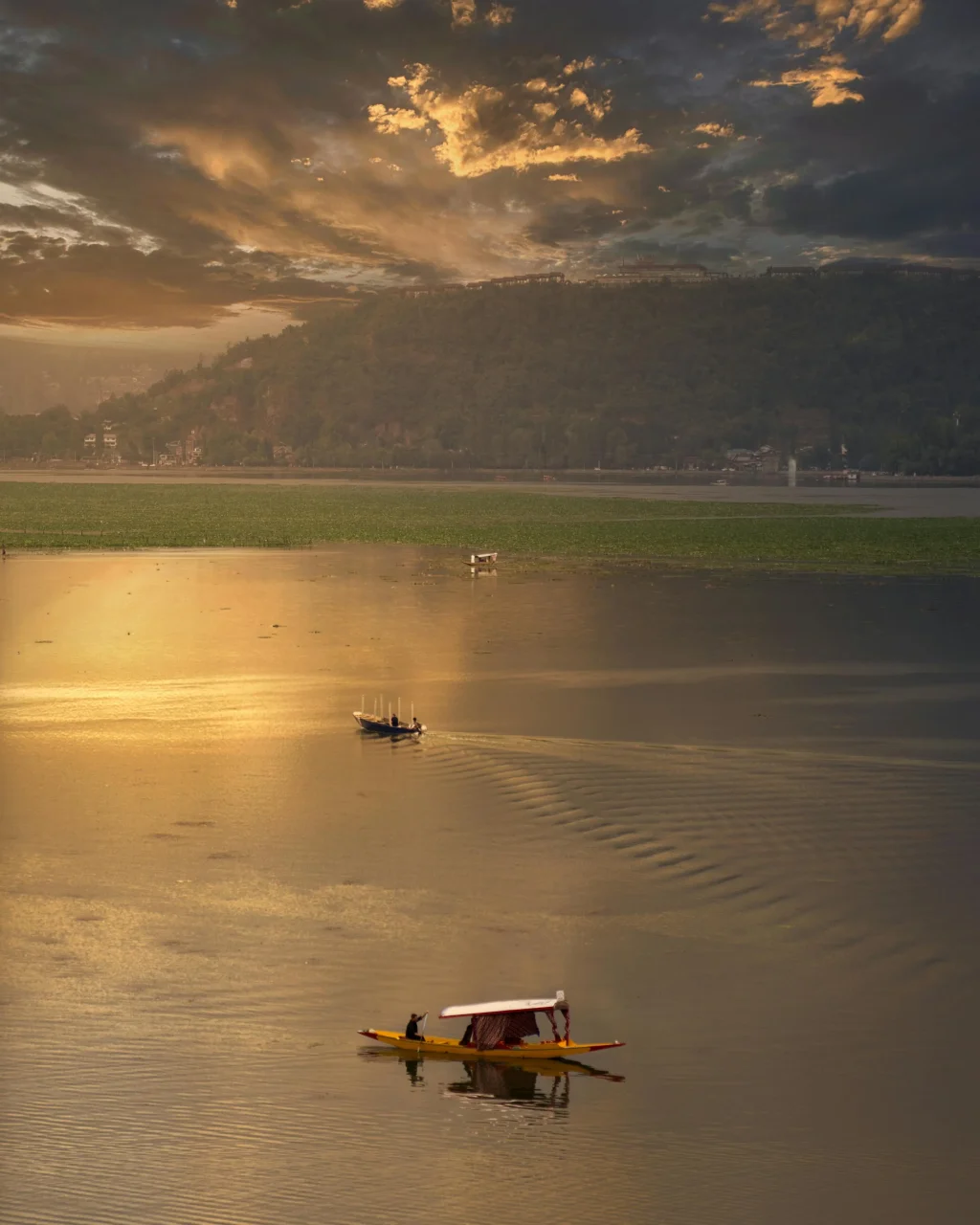
Shikara rides, particularly at sunrise or sunset, provide more than just a view; they also provide serenity and a sense of timelessness. It is the most photographed and adored spot in Kashmir because of the lotus gardens, the mirrored views of snow-capped peaks, and the allure of traditional houseboats with elaborate walnut wood carvings.
Mughal Gardens: Legacy of Emperors
The Mughal emperors left behind more than history—they gifted Srinagar living masterpieces in the form of gardens. Walk through Nishat Bagh or Shalimar Bagh, and you’ll find rows of chinar trees, fountains flowing through stone channels, and tiered terraces blooming with flowers in spring. These mughal gardens are a blend of Persian design and local beauty, especially when they are magical during April and October when flowers burst in bloom or leaves glow crimson and gold. Every step here feels like a stroll through poetry written in stone, water, and petals.
Hazratbal Shrine: A Sacred Reflection of Srinagar Kashmir Tourism
White, calm, and tranquil, Hazratbal Shrine quietly rests by the lake and reflects itself both in the water and in the hearts of the people. It is the most sacred Muslim shrine in Kashmir, housing a relic believed to be the hair of Prophet Muhammad (Peace Be Upon Him).
But even without religious beliefs, the idyllic tranquillity, the nearby sound of water lapping, and the widespread silence of the visitors make this shrine a place to stop and reflect. The Fridays have a specific purpose: spiritual gatherings offer an insight into the soulful pulse of a local life of faith.
The nearby campus of Kashmir University, one of the Top Universities in kashmir adds more value to the place.
Shankaracharya Temple: A View from the Top
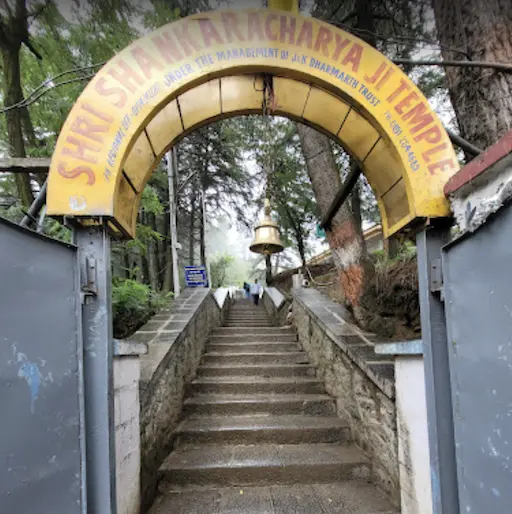
Perched on a hill overlooking the entire city, Shankaracharya Temple offers not just spiritual peace but also a panoramic view that stays etched in memory. Climbing the stairs is a small effort for the reward: a 360-degree view of Dal Lake, Zabarwan Mountains, and the rooftops of Srinagar blending into the landscape. The temple, dedicated to Lord Shiva, is also one of the oldest shrines in Kashmir, adding a historic touch to this peaceful summit.
Local Bazaars: Colorful Chaos & Craftsmanship
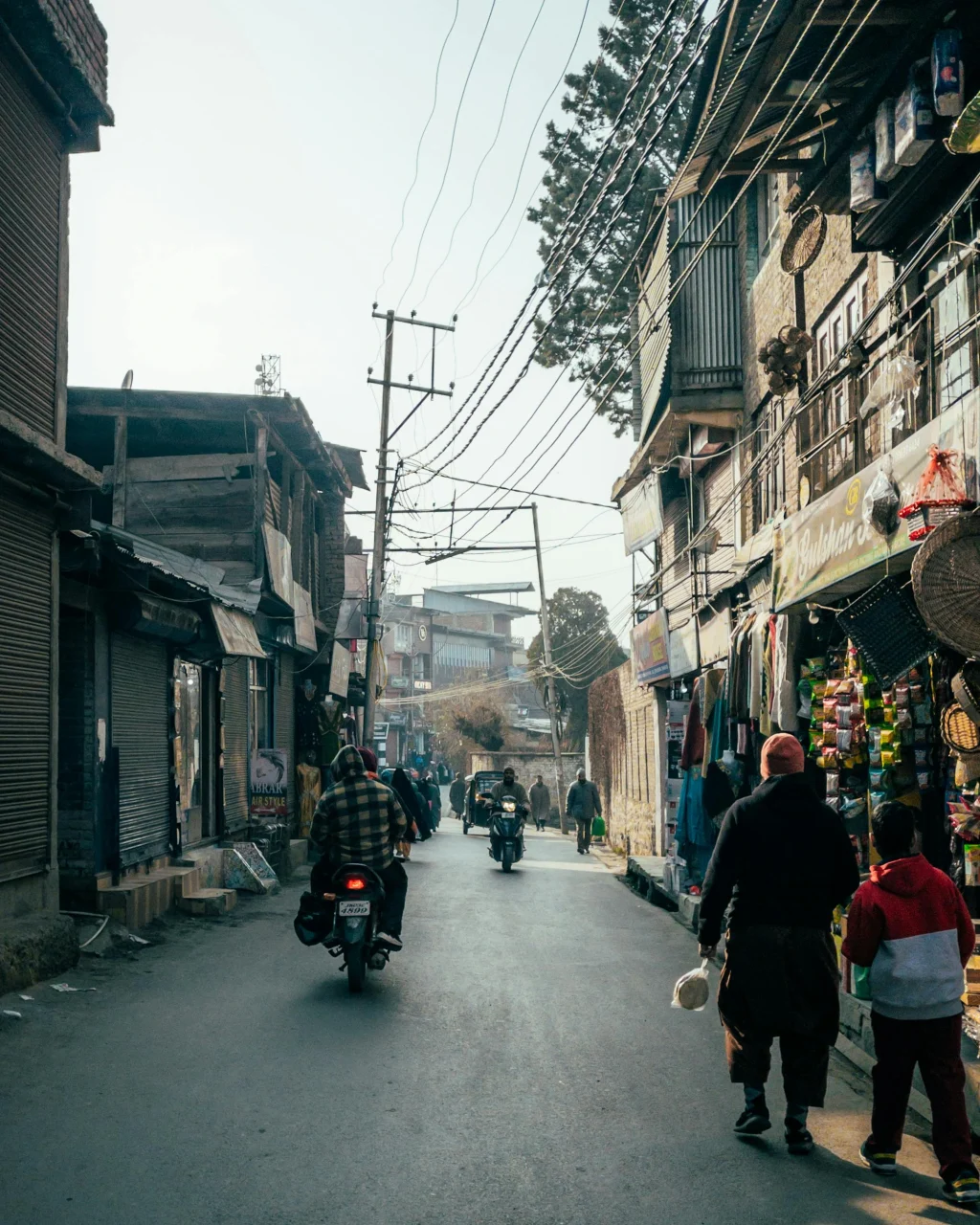
If you really want to feel the pulse of Srinagar, go where locals bargain, laugh, and live—its vibrant markets. In places like Lal Chowk, Zaina Kadal, and Residency Road, tradition lingers on each shop window and breezes through each wooden beam. Here, you can find luxurious pashmina shawls, richly detailed Kashmiri carpets, hand-carved walnut woodwork, saffron strands, and dried apricots—all stories wrapped in silk, spice, and centuries of skill. The warmth of the shopkeepers often turns a simple purchase into a cultural conversation.
Hidden Gems of Srinagar Kashmir Tourism
When it comes to Srinagar, most travelers stick to the highlights — Dal Lake, Mughal Gardens, and Lal Chowk. But ask any local, and they’ll tell you: the soul of Srinagar lives in the places that only locals know about. Tucked behind hills, down narrow alleys, or past quiet water trails are some of the city’s most enchanting secrets.
Shrunz Waterfall—Where Silence Speaks
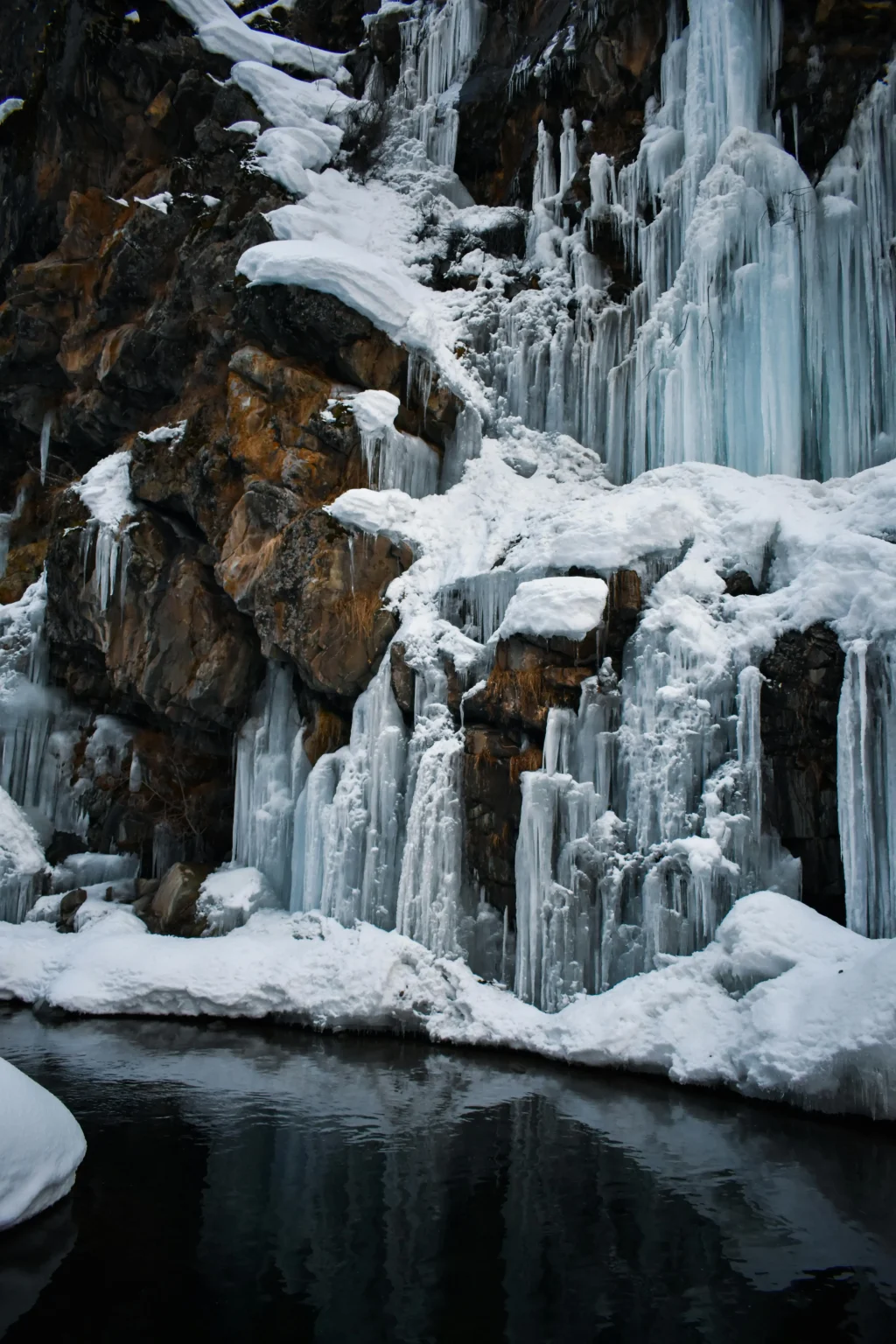
Just a short drive from the city, located in District Baramulla, Shrunz Waterfall is a place that even some locals guard like a secret. Hidden behind dense pine forests and moss-covered rocks, the waterfall cascades into a serene pool with not a tourist in sight. It’s a perfect place to pause, breathe, and feel the wilderness embrace you. Early morning is the best time to visit, when sunlight flickers through trees like a blessing.
If you want to take a break from the loud traffic noises and busy streets, then this is the place for you.
Zabarwan Sunrise Trail—A Walk through the Clouds
If you wake early and crave quiet, take a gentle trek up the Zabarwan Hills, located in the east. The trek starts near Pari Mahal and passes through wildflowers and chirping Himalayan birds. As you reach the ridge, the city of Srinagar lies below you like a painting—Dal Lake glowing gold, the rooftops still dreaming, and the mountains catching the first kiss of sunlight. It’s one of those moments where time feels suspended.
The Alleys of Old Srinagar—Stories in Every Stone
Past the bustling city center, Downtown Srinagar, or Shahr-e-Khaas as the locals call it, is a maze of tightly fit alleys, old brick homes with wooden balconies, and centuries-old walls that have seen the History of Kashmir. Jamia Masjid resides here, not just as a monument but as the lifeblood of the area. Walk around early morning, and you’ll pass kandurwans (bakeries) making tsot bread, the smells so familiar you may forget that you’re a tourist.
Rainawari Canals—Srinagar’s Quiet Venice
The sleepy area of Rainawari in Srinagar hides a secret network of canals. Narrow waterways that have transported countless wooden boats with goods (and gossip) over their shelving bridges are abandoned. But still allow you some leisurely explorations of the past with a boat or a walk along the canals. You will notice the carved wooden windows of houses, neighbors sharing steaming Kehwa or nun chai (salt tea) from one home to the next, and the gentle chaotic beauty of life moving without hurry.
Best Time to Explore Srinagar (Seasonal Breakdown)
Srinagar assumes a different color with every new season, and each season tells a different story. Come to see a tulip garden at peak bloom, or see snow falling over a lake; either way, you are guaranteed something beautiful.
Spring (March to May):
In Srinagar, spring feels like the city is awakening with a smile. Largest Indira Gandhi Tulip Garden in India bursts to life with the tulips, making it resemble a living rainbow at the base of the Zabarwan Hills. Blossom as if from a paintbrush adds almost childlike bursts of soft pink throughout our gardens and byways. Clean, fresh air fragrance settles in the warmth and ease of the weather. Everything comes together to create the most beautiful canvas for my Shikara rides, walking in the gardens, and all of my photography.
Tip: Visit in early April to catch the Tulip Festival, a visual feast you’ll never forget.
Summer (June to August): Life by the Lake
Srinagar summers have vibrancy yet tranquility, with warm days suitable for touring steps up gorgeous Mughal Gardens like Nishat and Shalimar. Dal Lake serves as a stage for floating markets, houseboats, and candlelit shikara rides! Just remember, there is something simultaneously unearthly and cosmopolitan about those candle lanterns too. At night the cool mountain breeze truly makes the houseboat stay dreamlike.
Tip: Pack light cotton clothes for the day but carry a light jacket for cool evenings.
Autumn (September to November): The Golden Hour
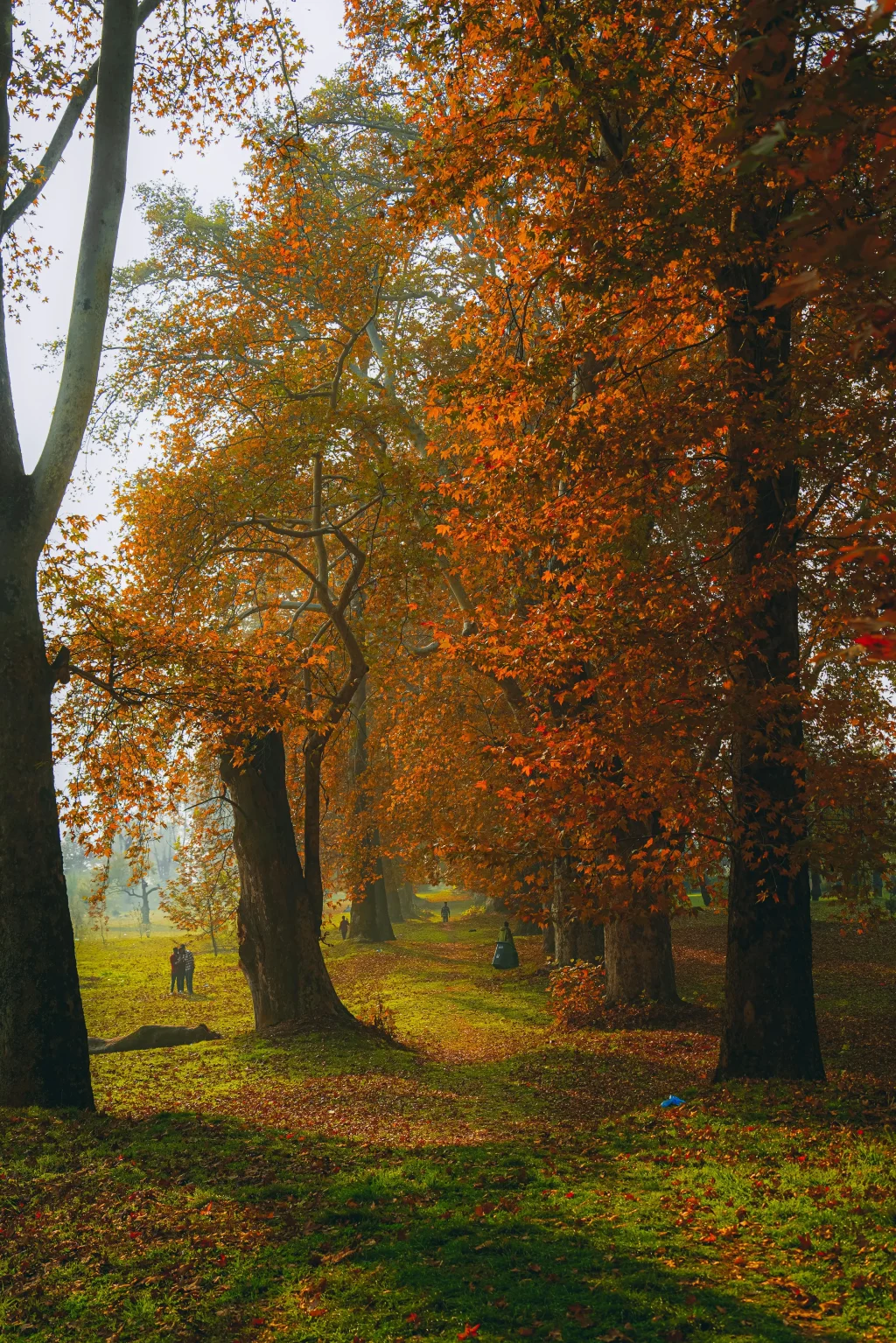
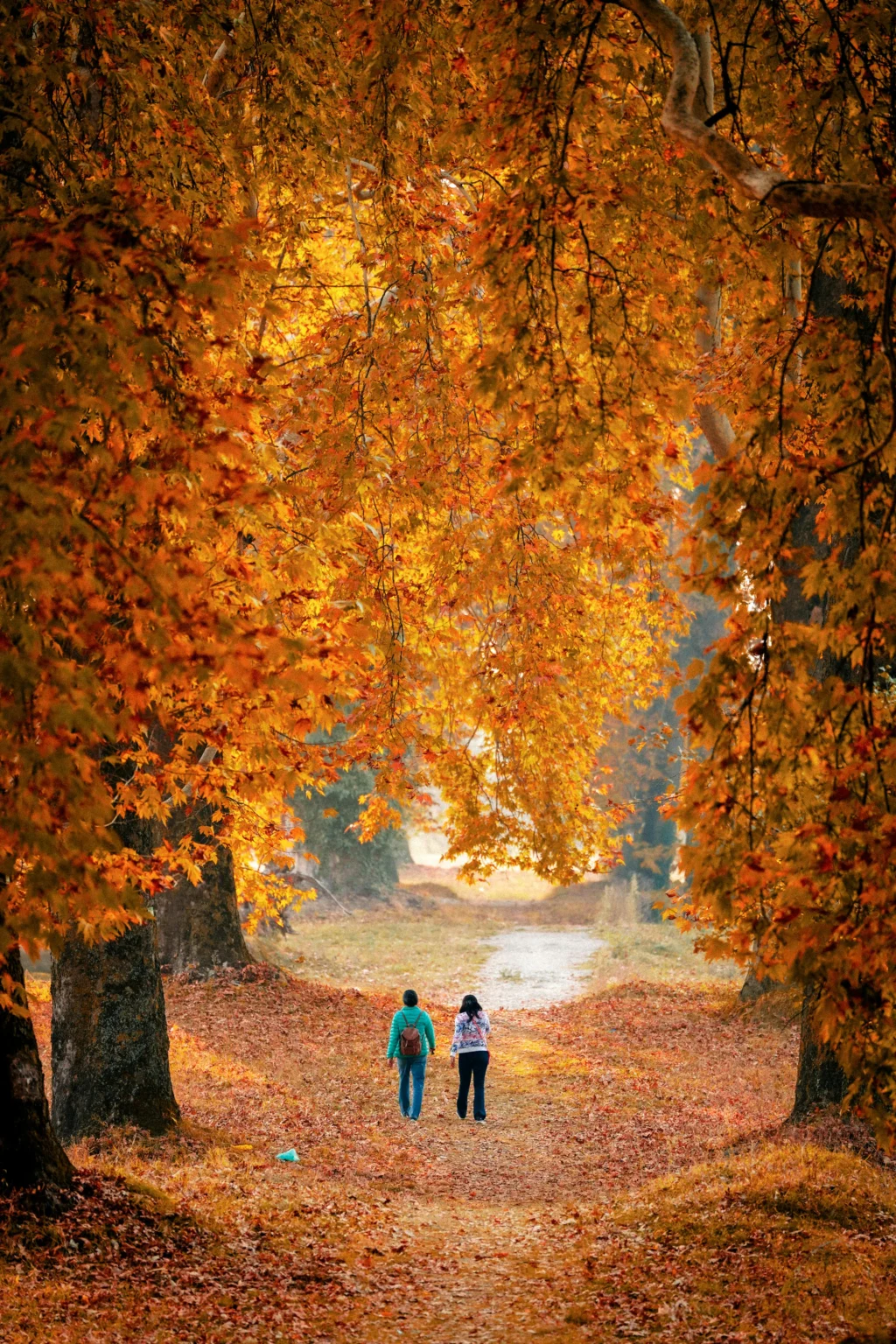
This is when Srinagar becomes poetic. The famous Chinar trees take on shades of orange, red, and gold—causing every street to look like a work of art. Places like Naseem Bagh are irresistible to leaf lovers and photographers. The weather is cool, and the morning fog lends an air of fascination to the city.
Tip: Visit Kashmir University’s campus or take a walk by the Jhelum River for the most scenic autumn shots.
Winter (December to February): A Snow-Kissed Paradise
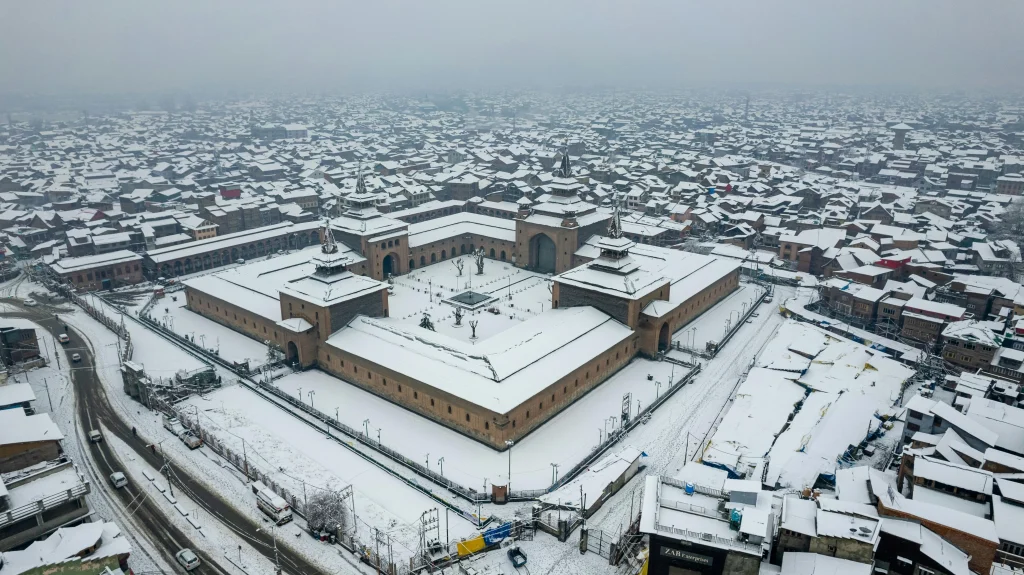
In the winter, Srinagar becomes a silent world, transformed by the snow. The rooftops, the trees, and even the lakeside ghats get a warming blanket of snow. Be it from the warmth of a pheran while drinking kehwa or looking out on your houseboat to see the flakes fall, one can sense the serenity. Additionally, it’s the best opportunity to enjoy this time of year and visit Gulmarg for skiing or snowboarding while visiting Srinagar.
Tip: Visit early December for lighter snow and better road access; January if you want a full snowy experience.
Local Experiences That Add Soul to Your Journey
Srinagar is not simply a place to see; it is a place to feel. The tempo of life is lazy, sensuous, and steeped in culture. These regional events bring you closer to the true essence of the city.
Sip Kehwa in a Traditional Kashmiri Home
Sipping warm, saffron-infused kehwa from a Samovar (traditional tea kettle) while sitting cross-legged on a carpeted floor is simply magical. It’s not just a drink; it’s the most pure, welcoming hospitality imaginable — an unspoken invitation into someone’s life.
Try this in downtown Srinagar or during a homestay experience.
Early Morning Shikara Ride with Floating Market Views
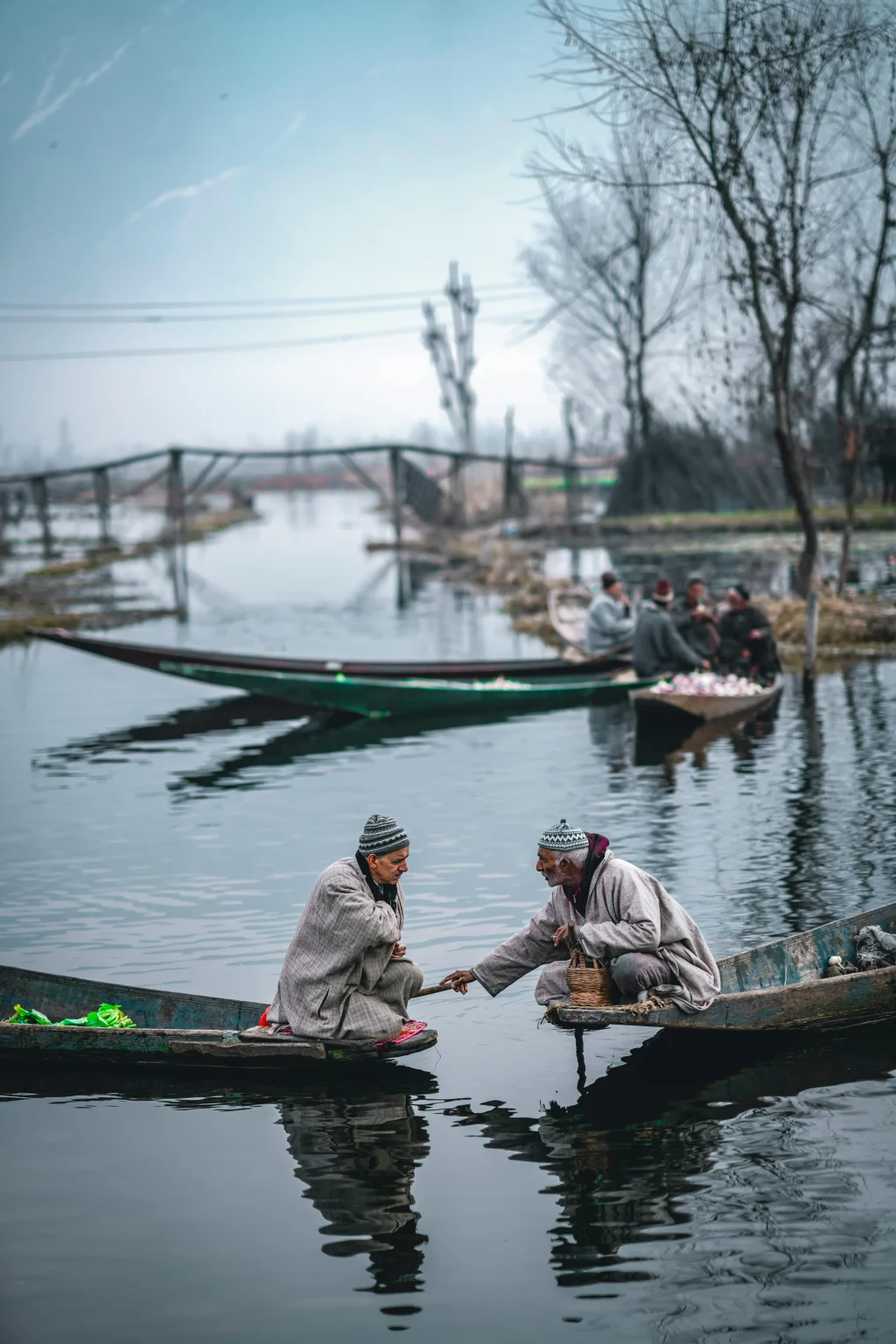
Rise before dawn and quietly traverse the fog-covered Dal Lake to witness some local vendors selling fresh vegetables, flowers, and, in some instances, bakery items all out of a boat. The silence, the mountains’ reflection on the water, and the hustle are deeply memorable and a once-in-a-lifetime memory.
Tip: Reach the lake around 6 AM to witness the full charm of the floating market.
Watch Local Artisans Weave Magic
Srinagar’s craftsmanship, from hand-knotted carpets to fluttery pashmina shawls, is on par with those in the world. You can visit a local workshop where artisan after artisan darts along, watching hands dance to fold wool into heritage. You will never look at fabric in the same way again.
Tip: Ask about the story behind the design — most patterns carry deep cultural meaning.
Join Evening Prayers at a Wooden Mosque
Step inside Jamia Masjid in Nowhatta at the evening azaan. There are 300-year-old wooden pillars letting in light as soft prayers drift in the air. Regardless of your faith, it will be a peaceful and spiritual experience.
Tips for a Smooth & Respectful Visit
The experience of traveling to Srinagar is made that much more enriching if you travel with thoughtfulness and mindfulness. Here are a few tips to help you fit in, show consideration, and have an easier time:
Dress Modestly
Kashmir and its people are conservative, especially in rural and religious areas. Trying to dress modestly (covered shoulders, full-length pants or skirt) will show respect and help you connect to the locals much easier.
Be Mindful Around Religious Places
Shoes off when entering shrines and mosques. Before taking photos, please ask—many worshippers prefer privacy, and many places won’t allow cameras.
Ask Before Clicking
Kashmiris are friendly but private. Always ask for portraits, especially of women or elders. A cordial smile and gesture will always work for you.
Learn a Few Local Words
A simple “Asalamualaikum” (respectful greetings) or “Shukriya” (formal thank you) will put a genuine smile on faces and sometimes spark conversations.
Support Local
Stay at lodgings that are locally run, purchase handcrafted items, and eat locally in family-owned establishments. Your money will go to the community and keep traditional arts alive.
Travel with Sensitivity
Kashmir has a complicated political backstory. Avoid discussing controversial issues in conversation and instead concentrate on the locals, customs, and nature.
A City That Leaves You with Stories, Not Just Photos
Srinagar isn’t a place that you cross off a list — it’s a feeling that you carry back home long after you’ve left. For example, it’s the warmth of sharing kehwa with a houseboat proprietor, watching snowflakes land on Chinar leaves, listening to an elder’s stories while envisioning his past, bathing in Srinagar’s beauty, or admiring the congeniality of a certain people beside a shrine; in each situation, words fail to express or capture that moment. You infuse those experiences into a lasting memory attached to Srinagar that will stick with you for a while.
This city doesn’t just offer sights or views; it offers soul. It teaches stillness on Dal Lake, color in floating markets, and warmth in people who are just strangers to you.
If you’re ready to explore more than just landscapes — if you want to feel, listen, and live Kashmir in the best way possible — then let Kashmir Whispersbe your storyteller and travel companion.
Explore Srinagar with us. Let the stories find you. Also, check out our other travel blogs.
Have you ever seen a photo of Kashmir that mesmerized you? The first time I saw Dal Lake at sunset, with mountains reflecting in its still waters, I understood why Kashmir tourism photos were shared worldwide with such energy and passion.
Kashmir’s landscapes have inspired photographers for generations. Let me guide you through the most photogenic places in Kashmir and tell you when to visit for those perfect shots.
Why Kashmir Tourism Photos Stand Out
What makes Kashmir tourism photos so distinctive? Photographers or Photography experts have noted that Kashmir offers a remarkable variety within a compact area, where you can capture alpine meadows in the morning, historic shrines by midday, and vibrant lake life by evening, all in a single day.
Because of the region’s mountains, clean air, and elevation, the colors and clarity are exceptionally vibrant. During golden hour, the Himalayan peaks transform through shades of gold and pink that even professional cameras struggle to fully capture the actual essence of that instance.
Top 3 Locations for Kashmir Tourism Photos
Dal Lake: The Gem of Kashmir Tourism Photos
The colorful “shikaras” (wooden boats) create perfect foreground interest. The best time to visit is around 6:30 AM when the lake is misty and boatmen are beginning their day with a pleasant smile and warmth.
The floating markets offer scenes of vegetable sellers in traditional attire (pheran, turbans, kangri) navigating between boats with produce, capturing daily life that many Kashmir tourism photos miss.
The houseboats, with their beautiful wooden carvings, photograph beautifully at sunset. You can also try positioning yourself at Nehru Park for the best angles with mountains in the background.
Gulmarg: Winter Magic in Kashmir Tourism Photos
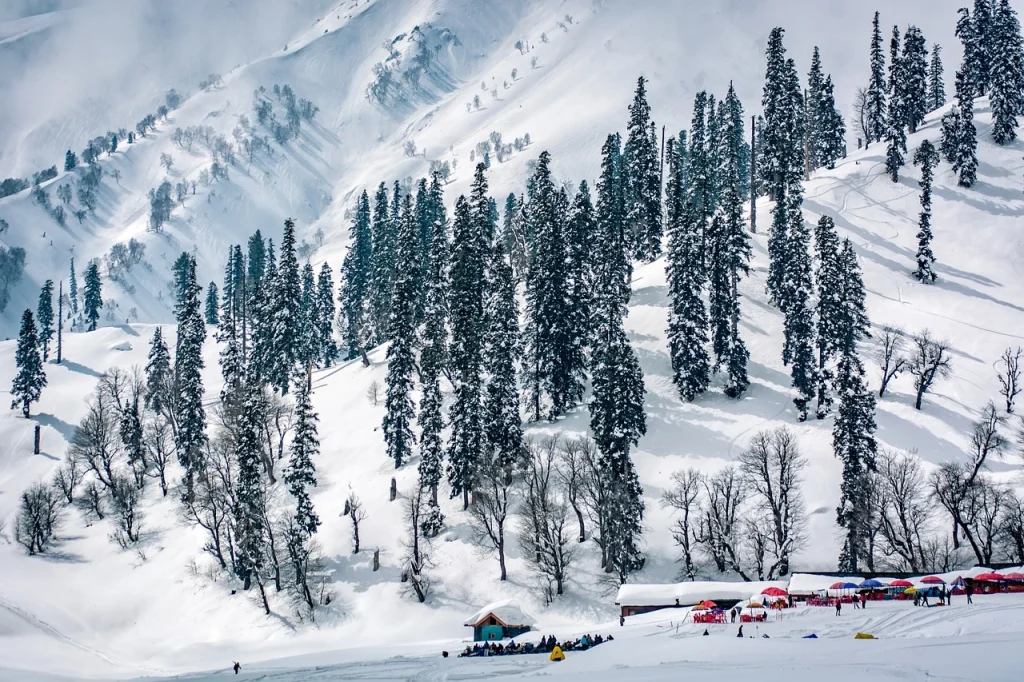
The Gulmarg Gondola ride offers countless photo opportunities. Use a polarizing filter to reduce glare and enhance the blues and whites of the snowy landscape. Capture local children sledding down gentle slopes, their colorful winter clothes creating a vibrant contrast against the fresh white snow.
The gentle sunrise at Apharwat Peak turns the snow into a sparkling canvas of golden shadows. Arrive 45 minutes before sunrise to capture the “blue hour,” when snow takes on a magical blue hue.
Pahalgam: Valley Vistas for Your Collection
Betaab Valley provides perfect composition opportunities with natural framing elements. The pine trees along the edges draw your eye toward the valley floor and distant mountains. The Lidder River creates natural leading lines in photos. Try capturing the rushing water using a longer exposure to create that smooth and silky water effect.
Seasonal Guide for Perfect Kashmir Tourism Photos
Spring (April-May): Colors Explosion
The tulip season transforms gardens into rainbow carpets with full-bloom tulips of different colors. The Indira Gandhi Memorial Tulip Garden, which opens for visitors in the first week of April, is the ideal location for dynamic photos of kashmir tourism in Spring.
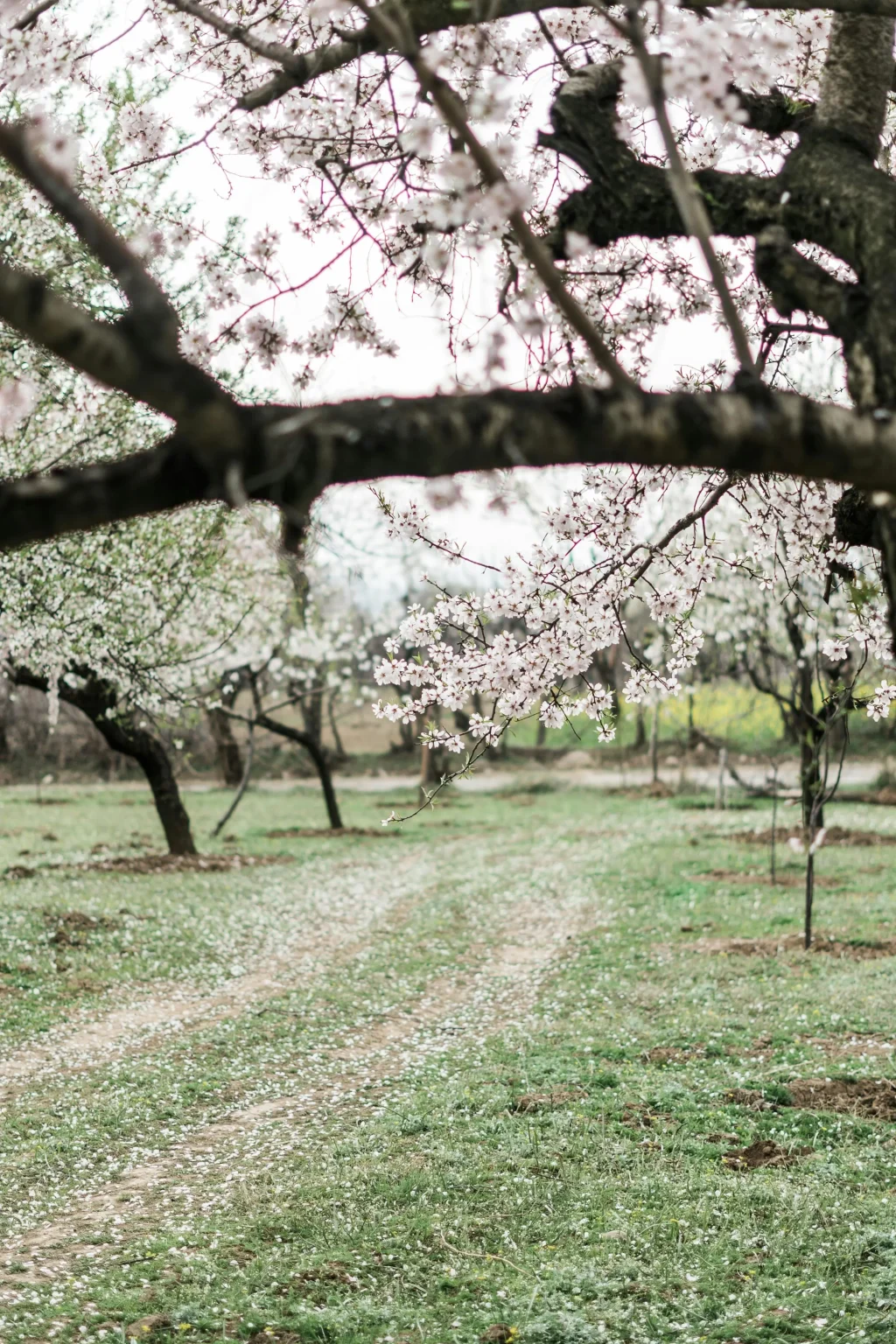
Apple, almond, and cherry blossoms frame rural scenes beautifully. The best orchards for photography are around Harwan and Dachigam areas.The famous Badamwari Garden, located in Srinagar, is specifically known for almond blossoms.
Autumn (September-November): Golden Kashmir
The famous chinar trees, which turn deep red in September and gold in November. Visit spots like Kashmir University, Nishat Bagh, or along the Jhelum River banks, where reflections double the visual impact.
Morning fog in autumn creates mystical scenes. Nigeen Lake typically has better morning mist than the more famous Dal Lake, offering serene photos without crowds. Better start your morning with a photo of the scenic view.
Winter (December-February): Snowy Paradise
Snow-draped landscapes transform familiar scenes into a completely different place. Local winter traditions like the making of traditional Kashmiri kehwa (tea), wearing kashmiri overcoat(pheran), and firepots (kangris) in snow-surrounded villages make for compelling cultural photography.
Hidden photography spots for unique kashmir tourism photos
While places like srinagar, gulmarg and pahalgam are famous, there are lesser-known places like, shrunz fall, aharbal fall, bungus valley and Doodhpathri that offer beautiful views with fewer crowd. The local touch of these places can elevate a travel album beyond typicaltravel pictures.
Photography tips for capturing the best kashmir tourism photos
Visit early in the morning or during the golden hour for better lighting.
Carry a tripod, especially around lakes and rivers.
Always ask permission before photographing people, especially in rural areas.
Avoid taking pictures inside some specific areas in religious places like mosques or shrines.
Conclusion:
Kashmiris one of those places that is waiting for you to capture it in your lens and make a special place in your travel album. Whether you are a professional photographer or just someone with a passion for natural moments, kashmir is the perfect place for you, where kashmir tourism offers you a treasure of moments and visual stories.
The poetic lines “Gar firdaus bar rue zameen ast, hami asto, hami asto, hami ast.”(If there is paradise on earth, it is here, it is here, it is here) echoes through the misty mountains and tranquil valleys of Kashmir tourism. Known as “Paradise on Earth,” this region charms travelers worldwide and goes beyond just sightseeing. It offers a chance to dive into beauty, culture, and stories that span centuries.
Let’s explore what makes Kashmir such a profound and unforgettable travel destination.
The Heart of Kashmir Tourism
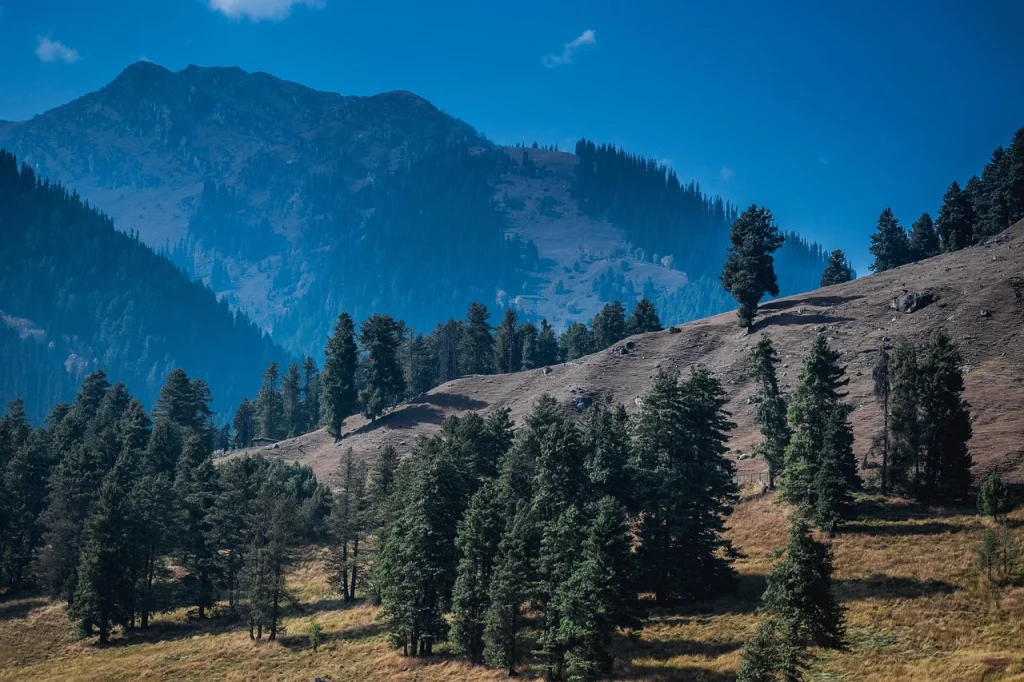
Kashmir changes with the seasons. In spring, colorful tulips bloom. Summer brings shimmering lakes and lush meadows. Fall showcases vibrant crimson leaves. Winter blankets the valley in snow.
Yet, it is not the beauty of nature that makes Kashmir so enchanting. It is the warmth, hospitality, and encounters of the soul that distinguish Kashmir tourism. Every encounter, from wandering historic gardens made by Mughal emperors to sipping a hot Kahwa on a houseboat, has some element of magic.
Kashmir’s unique culture includes folk singing, saffron farming, and carpet weaving. In summary, a wonderful experience is made from balancing people, environment, and culture.
Natural Wonders of Kashmir Tourism
The scenery of Kashmir is a stunning fusion of several natural wonders. Dal Lake, which is famous for its floating gardens and calm shikara rides. The ‘meadow of gold,’ Sonamarg, is a place with breathtaking glaciers and vibrant wildflowers. The Betaab Valley has flowing rivers and lush meadows. Yusmarg’s untouched forests provide a peaceful escape from city life.
Each season transforms the landscapes of Kashmir. Spring brings blossoms, summer offers lush green meadows, autumn showcases warm hues, and winter blankets everything in pristine snow. Kashmir is therefore a year-round destination for those who enjoy the outdoors.
Cultural and Historical Significance of Kashmir Tourism
Kashmir has always been a land with deep spiritual roots and historical depth. It has seen the rise and decline of empires, the flourishing of arts, and, ultimately, a culture described as gentle and beautiful.
Ancient temples, Mughal gardens, and Sufi shrines depict a region experienced through several faiths. One can see their influence in the calligraphy on the walls in mosques, which were often Persian; in the use of Kashmiri poetry, lovingly passed from generation to generation, in the stories of saints who preached peace.
The well-known Kashmiri Wazwan is a cultural festival rather than just a dinner. There are still living traditions of music and dance, such as Rouf danced during Eid and weddings.
For the historically and culturally minded, Kashmir tourism provides the unusual opportunity for spiritual depth combined with artistic elegance.
Kashmir Tourism Tips and Recommendations
Planning a trip to Kashmir? Here are a few key suggestions to make the most of your journey:
When to Visit:
The period of March to October is perfect for enjoying the valley in full bloom. The best time for snow adventures such as skiing is during December through February.
Local Experiences:
Enjoy a delightful stay aboard a traditional houseboat on Nigeen Lake or Dal Lake—it’s a very special experience. Visit a local market in Srinagar to buy Pashmina shawls, handicrafts and dry fruits.
Dress and Respect:
Kashmiris often have deep respect and traditions. It is important to dress modestly, and having a smile on your face is priceless. Saying ‘Salam Alaikum’ when you meet a Kashmiri can help start a friendly chat.
Staying in a traditional houseboat on Dal Lake or Nigeen Lake will make your time in Srinagar unique. Take the opportunity of passing by a local market in Srinagar and browse the beautiful Pashmina shawls, handicrafts, and dry fruits from Kashmir.
Connectivity and Safety:
Mobile networks are usually available. Check with your service provider. While Kashmir tourism is flourishing, alwaysstay updated with local news for safety.
Discover Hidden Gems:
Srinagar, Gulmarg, and Pahalgam are popular. But don’t miss Yusmarg, Aharbal, and Bangus Valley. They are just as beautiful.
Why Kashmir Tourism Should Be Your Next Travel Destination
Kashmir tourismis not about checking off destinations on a list. You stand by a calm lake. Snowflakes rest on your eyelashes as you sip saffron tea. The sun kisses the mountains goodnight. It’s about smiling at strangers who feel so much like home.
Would you describe yourself as a nature person? Cultural enthusiast? Or just someone who dreams of peace? If so, then Kashmir welcomes you with open arms and a full heart.
Conclusion: The Soul of Kashmir Tourism
In a world with endless distractions and noise, Kashmir tourism offers solitude, peace, and a soulful connection. It is not just a destination but a feeling, an emotional experience that remains with you.
Allow the breeze of Kashmir to whisper stories in your ears. Let the serenity of its beauty penetrate your soul. And when you feel the call to wander again, let your heart be your true compass to the timeless wonder of Kashmir.
Kashmir, often referred to as “Paradise on Earth,” is located in the lap of the Himalayas is not just a phrase to romanticize Kashmir, but it expresses the soul of the region. The breathtaking view of snow-covered mountains, beautiful green meadows, abundant flower gardens, and sparkling lakes makes travel in Kashmir different from any other place in the world. Whether it’s the natural beauty of Kashmir, the spirituality, or the simplicity of culture that attracts you, there is never a shortage of places to visit in Kashmir that can pleasantly catch your eye.
Let’s look at some of the most picturesque spots in Kashmir that you should add to your travel bucket list.
Srinagar—One of the best Places to visit in kashmir
Srinagar, the summer capital of Jammu & Kashmir, is usually the first place all tourists visit when entering the valley. The beautiful city, most famous for Dal Lake, where you can find wooden houseboats and Shikaras gliding atop the calm water around the snow-capped peaks, has several things to offer visitors. The delightful Mughal Gardens of Nishat Bagh, Shalimar Bagh, and Chashm-e-Shahi are all classic examples of Persian style gardening and probably look the best during the blooming flowers of spring and summer.
Srinagar’s spiritual character is revealed through the iconic Hazratbal Shrine and the centuries-old Jamia Masjid in the old city. Srinagar incorporates the beauty of nature, as well as history and tradition, making it one of the most important places to visit in Kashmir.
Gulmarg—The Skiing Capital of India
Located just 50 kilometers from Srinagar, Gulmarg is a haven for snow-loving people. In winter, Gulmarg is one of the top places to visit in Kashmir, a white paradise where skiers and snowboarders from around the world come to play. The Gulmarg Gondola, one of the highest cable cars in the world, gives people an excellent view and an unbelievable ride to Apharwat Mountain.
In summer, the meadows are perfect for picnics, golf, or nature-walking with the wildflowers. If you are searching for snow-related adventures or simply want to enjoy the stunning mountain views, Gulmarg occupies a valued place on the list of places to visit during your stay in Kashmir.
Pahalgam—One of the Most Peaceful Places to visit in Kashmir
Easily reachable via a 3-hour drive from Srinagar, Pahalgam is a peaceful town situated at the junction of the Lidder River and Sheshnag Lake. It is often called “Valley of Shepherds” and is well-known for its picturesque landscape, dense pine forests, and rivers. The Betaab Valley is photographic perfection, easily one of the best areas to take a picture or picnic spot. The Valley gets its name from the Bollywood film, Betaab which was shot in this area.
The Aru Valley is a hidden gem in close proximity to Pahalgam. Again, this area has walking/hiking trails surrounded by nothing but natural beauty. Also, if you are an adventure seeker, do not miss the chance for whitewater rafting in the Lidder River when in Pahalgam. All in all, Pahalgam holds its own peaceful significance in comparison to other places in Kashmir, making it, in my opinion, an incredible place to visit, especially for couples and nature lovers alike.
Sonamarg – The Meadow of Gold
Sonamarg is often referred to as “Meadow of Gold” which is located nearly 80 kilometers from Srinagar and surrounded by snow-capped peaks and alpine meadows with nature that has been largely untouched. The Thajiwas Glacier is a well-liked attraction within Sonamarg, either on pony (horse) or on foot, and is still covered in snow year-round in the summer.
Sonamarg also serves as a base camp for many trekking routes, and the nearby famous Zoji La Pass allows you to enjoy the surrounding mountains. Whether you want to do a day trip or stop over for a night, Sonamarg is a unique part of the beautiful Kashmir Himalayas.
Yusmarg – A Rare Gem in the List of Places to Visit in Kashmir
Yusmarg is one of those little-known, offbeat destinations that often flies under the radar; that’s what makes it so unique. Located at a distance of approximately 50 km from Srinagar, Yusmarg is surrounded by lush green meadows, pine-covered hills, and snow-capped peaks in the distance.
What could be better than short treks, horse-riding, or spending an afternoon with a book? Yusmarg is a place not to miss for tranquil destinations in Kashmir without the fuss of fossil-fuel-guzzling tourists. The peace and quiet of the forest tracks and the loneliness of it all, make it a wonderful environment if you’re single or for couples looking for private bliss.
Kupwara – The Crown Jewel of North Kashmir
Kupwara has been described as the untouched crown of Kashmir, with valleys like Lolab and Bangus appearing surreal, stretching infinitely with alpine pastures, bubbling streams, and thick pine forests. It has yet to reach mass tourism and therefore offers you a more naked and pure Kashmir experience.
Lolab Valley is known as “the land of love and beauty,” as Bangus Valley is a utopia for camping enthusiasts. Kupwara is a perfect destination for unique explorers wishing to unveil the unconventional side of Kashmir.
Dachigam National Park—A natural wonderland
If you are looking for wildlife, look no further than Dachigam. Located just 22 kilometers from Srinagar, this national park houses the endangered Hangul deer, Himalayan black bear, leopards, musk deer, and a plethora of birds species. Visitors can walk through forested trails allowing them to glimpse into Kashmir’s thriving ecosystem.
While ecotourism, birdwatching, and photography are the most common activities in Dachigam, going to the park adds a noteworthy adjustment to your travel itinerary that glorifies the wild and wonderful side of Kashmir.
Kokernag and Verinag—Springs of Tranquility
Verinag and Kokernag are two serene township antique springs and Mughal gardens in South Kashmir. Verinag is the origin of the Jhelum River and has beautiful Mughal architecture, while Kokernag has a medicinal spring and beautiful terraced gardens.
Both are day trip ideas if you are staying in Anantnag or want to check out some of the lesser-known places to visit in Kashmir.
When to Discover the Best Places to Visit in Kashmir
Kashmir is a year-round destination. Spring (March to May) is when the tulips bloom and the gardens are full of dazzling colors. Summer (June to August) is the main season to visit Kashmir, great for sightseeing and adventure sports. Autumn (September to November) is when saffron flowers bloom in saffron fields while the Chinar trees opt for a coat of deep gold. Winter (December to February) is wonderful; everything is blanketed in snow, and there’s skiing and coziness.
Conclusion
The sites to see in Kashmir are as diverse in styles as they are beautiful! Kashmir offers everyone something to admire, whether you are a nature enthusiast, an adventurous soul, a romantic being, or a cultural enthusiast. There’s a story to tell in every part of this paradise in itslandforms, people, and cultures.