Dandelion is a flowering plant and a weed that grows in many parts of the world. Its greens have been often used in Kashmir as a cuisine, particularly for lactating mothers in olden times. According to some ethanobotanists, the use of dandelion in medicine dates back to the 10th century by Arab physicians. It is known for having medicinal properties and has been used to treat myriad ailments, including liver, digestive disorders, appetite stimulants, and as a laxative.
The history of modern Kashmiri cuisine can be traced back to the fifteenth-century invasion of India by Timur, and the migration of 1700 skilled woodcarvers, weavers, architects, calligraphers, and cooks from Samarkand to the valley of Kashmir. The descendants of these cooks, the Wazas, are the master chefs of Kashmir. The ancient epic of Kashmir, namely the Nilmatapurana, informs us that Kashmiris were heavy meat-eaters. This habit persists in today’s Kashmir.
Kashmiri cuisine has evolved over hundreds of years. The first major influence was the food of the Kashmiri Buddhists and Pandits, the Hindus of the valley. The cuisine was then influenced by the cultures that arrived with the invasion of Kashmir by Timur from the region of modern Uzbekistan. Subsequently, it has been strongly influenced by the cuisines of Central Asia, Persia, and the North Indian plains.
Dandelion flowers hold both cultural and seasonal importance, primarily associated with spring and renewal. Culturally, they are often seen as resilient, with traditions like wishing upon a blown seedhead, and they’ve been linked to the symbolism of hope, perseverance, and transformation. Seasonally, they mark the arrival of spring and are associated with the start of the growing season, with their abundance providing sustenance for pollinators and marking the transition from winter to warmer weather.
What Are Dandelion Flowers?
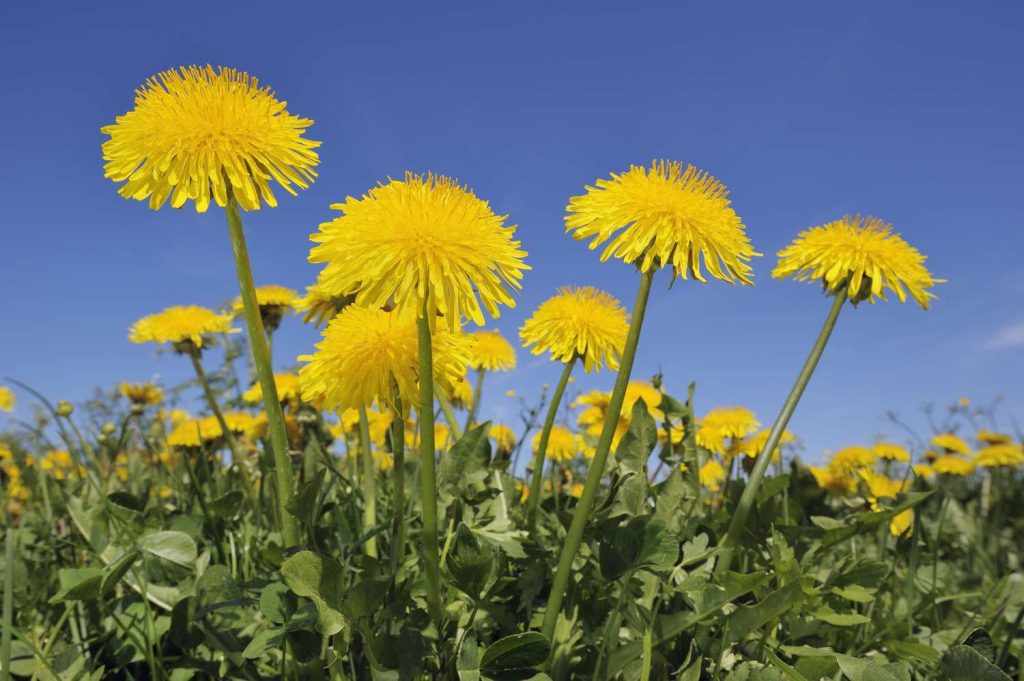
The dandelion—a quaint, yellow-flowered, perennial herb loathed by homeowners and gardeners—was once praised for its many useful properties: its roots for medicinal remedies; its flowers for wine; its bitter, earthy leaves for cooking. Similar to chicory, the dandelion’s stalk stands tall with its sweet-smelling flower head, which turns into a downy ball of seeds to be carried off with the wind. Its roots have a milky, bitter juice.
Its name comes from the Latin Dens Leonis; the French translation of which is dent de lion, meaning lion’s teeth, perhaps describing the plant’s tooth-like leaves. The English changed this phrase to dandelion. A folk name is piss en lit (“piss in the night”) or in English sometimes “piss-a-bed” or similar because dandelion tonics have strong diuretic properties.
Native to Asia and Europe, the dandelion has been recorded in ancient writings, and Arabian physicians used the plant in medicine in the tenth and eleventh centuries. For centuries, the Chinese and Indians have grown the dandelion to treat liver diseases and digestive problems. The dandelion arrived in the Americas at the time of the Mayflower.
Bees and other pollinating insects love dandelions. The flower heads consist of tube-like florets, each containing nectar and pollen. Although seen as a weed, it can make a good companion plant in the home garden. Its deep roots pull up nutrients for plants with shallower roots, and add nitrogen and minerals to soil.
When and Where Do Dandelion Flowers Grow?
Dandelions are known for their heavy spring bloom, often starting as early as late winter. They can also bloom in the fall, with a lighter bloom compared to spring. Dandelions are known to flower from March to November, according to The Salt Box. Dandelions are most common in temperate areas of Europe, Asia, and North America. They are frequently found in lawns, gardens, and other disturbed areas. Dandelions prefer soils with good moisture. They can tolerate a range of conditions, including full sun and partial shade. Common locations include pastures, lawns, orchards, roadsides, and waste ground.
Nutritional And Medicinal Value of Dandelion Flower
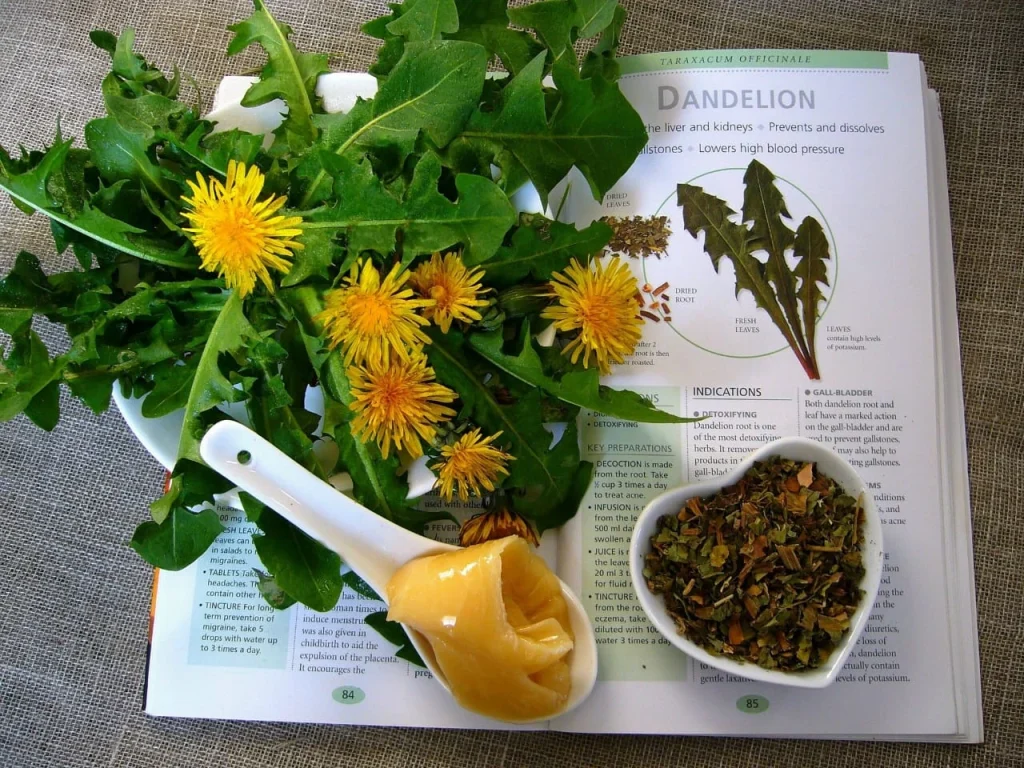
Potential health benefits of dandelions include providing antioxidants, lowering blood pressure, regulating blood sugar, and managing weight. Dandelion is a plant with yellow flowers. Taraxacum officinale is the most common variety of this plant, and it grows in many parts of the world. Botanists consider dandelions to be herbs. People use different parts of dandelions for medicinal purposes, including the: leaves,stems,flowers and roots.
Dandelions may benefit human health in a number of ways as part of a balanced diet and supplement regimen. However, as with all dietary or supplement changes, people should speak with a doctor before incorporating it into their diet.The possible health benefits of dandelion, how to use it, and its possible side effects.
Providing Antioxidants
Antioxidants work to neutralize the harmful effects of free radicals. The human body produces free radicals naturally, but they cause harm by accelerating aging or the progression of certain diseases.
Dandelions contain beta-carotene, which is an antioxidant that helps protect cells from damage.The flower of the dandelion is also full ofTrusted Source antioxidants such as flavonoids and polyphenols.
Reducing Cholesterol
Dandelions contain bioactive compounds that may help lower a person’s cholesterol.
Research conducted in animals and test tubes has shown that dandelion may be able to help reduce blood lipids. This can include cholesterol and triglycerides.
Regulating Blood Sugar
There is some evidence to suggest that dandelions contain compounds that may help with regulating blood sugar. Some studies in animals suggest that dandelion’s hypoglycemic properties and ability to lower both insulin resistance and fasting blood glucose levels may help manage type 2 diabetes.
Reducing Inflammation
Some studies indicate that dandelion extracts and compounds may help reduce inflammation in the body. Researchers noted that chemicals present in dandelions may have anti-inflammatory properties.
Lowering Blood Pressure
There is little research to support the use of dandelion for lowering blood pressure. However, dandelion leaves are a good Source of potassium. A diet rich in potassium may helpTrusted Source reduce blood pressure in people with high blood pressure.
Aiding Weight Loss
Some animal research suggests that dandelion could help with weight loss. Polyphenols, compounds in dandelion leaf and plant extracts, may be usefulTrusted Source in managing obesity.
Reducing Cancer Risk
Some limited research has indicated that dandelion may help reduce the growth of certain types of cancer. Dandelion’s impact on cancer growth in test tubes and found to it may help slow the growth of certain cancers. A study, Trusted Source, examining cancer growth in a test tube determined that dandelion extract may help reduce the growth of liver cancer.
Boosting the Immune system
There is some evidence that suggests that dandelions can help boost the immune system. Dandelions have both antiviral and antibacterial properties. Dandelions help limit the growth of hepatitis B in cells in test tubes.
Aiding Digestion
Some people use dandelion as a traditional remedy for constipation and other digestive issues. Dandelion-derived products may help protect against gastrointestinal disorders. This may be due in part to their anti-inflammatory and antioxidant properties.
Keeping Skin Healthy
Some research indicates that dandelion may help protect the skin from sun damage.
Ultraviolet (UV) light causes considerable damage to the skin and contributes to skin aging.
On skin cells in a test tube found that dandelion could reduce the impact of one type of damaging UV light. Protecting the skin from UV damage can help prevent premature aging. However, researchers need to conduct studies on humans to verify these results.
Ingredients:
- Fresh dandelion leaves (preferred; dried can be used)
- Chicken (cleaned and cut into pieces)
- Mustard oil
- Turmeric powder
- Onions (finely chopped)
- Garlic paste
- Ginger powder
- Fennel powder
- Red chili powder
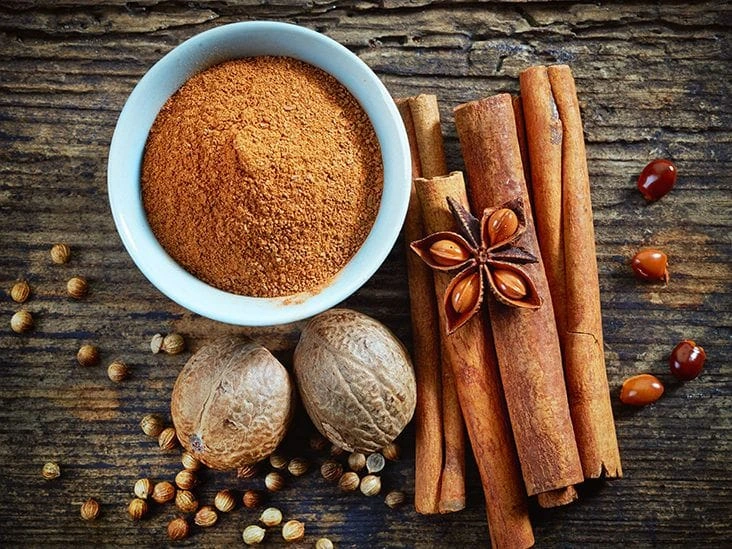
- Whole spices (cardamom, cloves, cinnamon, etc.)
- Salt (to taste)
- Water
Step-by-Step Recipe:
Chicken with Dandelion Leaves (Handh te Kokur) :
1. Prepare Dandelion Leaves:
- Boil fresh dandelion leaves until three boils (3 ubaal) occur.
- Drain and squeeze excess water from the leaves.
- Blend the leaves into a fine paste.
2. Cook the Chicken:
- Heat mustard oil in a vessel until hot.
- Mix turmeric powder with water and coat the chicken.
- Fry the chicken in the hot oil until golden brown.
- Remove and set aside.
3. Cook the Dandelion Leaves:
- In the same vessel, add more mustard oil and sauté onions until golden.
- Add the dandelion leaves paste and fry well until the raw taste disappears and the color darkens.
4. Seasoning:
- Add whole spices, salt, red chili powder, ginger powder, fennel powder, and a little water.
- Fry well to combine.
5. Final Steps:
- Add garlic paste, mix, and incorporate the fried chicken.
- Combine everything thoroughly and cook for 1–2 minutes.
- Add water (enough to cover the chicken, but not excessively).
- Pressure cook for 1–2 whistles.
Your Chicken with Dandelion Leaves is now ready. Serve hot with steamed rice or bread
Cultural Significance and Seasonal Eating
Wild greens play a crucial role in the livelihoods of Kashmiri rural households, offering nutritional value, medicinal benefits, and economic opportunities. They serve as a vital food source, especially during times of food scarcity, and are often used in traditional cooking and medicinal practices. Additionally, collecting and selling wild greens can provide a supplementary income for local communities.
Dandelions are considered a spring delicacy due to their timing of bloom and nutritional value. They appear early in spring, providing a vital food source for bees and other pollinators when little else is available. Additionally, all parts of the plant, from leaves to flowers and roots, are edible and offer a variety of vitamins, minerals, and fiber.
Conclusion
The Kashmiri dandelion flower recipe, known locally as Handh, is more than just a seasonal dish—it’s a reflection of Kashmir’s deep-rooted bond with nature and tradition. This wild, nutrient-rich green not only nourishes the body but also connects generations through taste and memory. By embracing recipes like these, we honor the sustainable, wholesome practices of the past while bringing a touch of Kashmiri culture into our modern kitchens. Whether you’re a food lover or a cultural explorer, Handh is a dish worth discovering and savoring.