Category: Recipies

  • Kashmiri Tosha: Forgotten Kashmiri Delicacy Product

    Kashmiri Tosha: Forgotten Kashmiri Delicacy Product

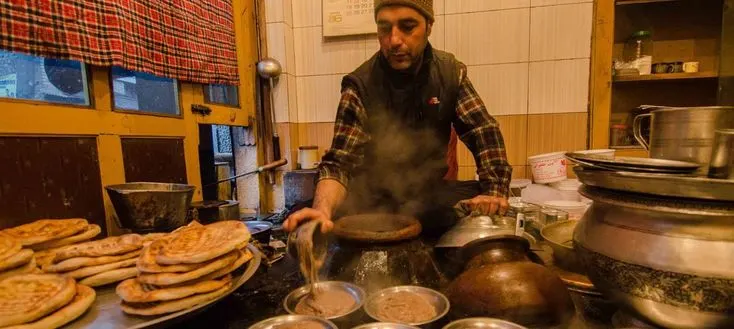
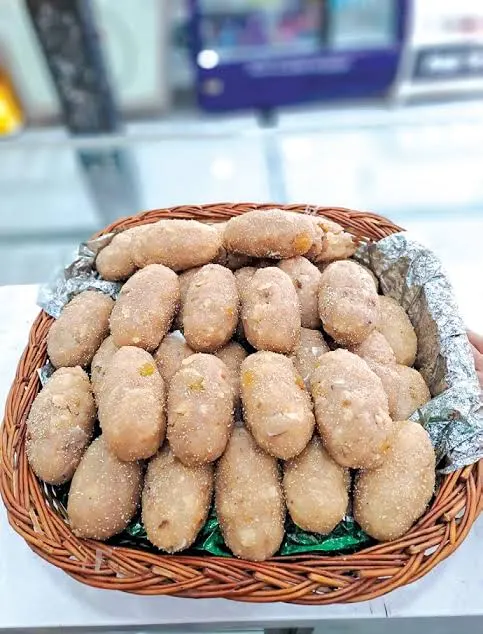
    North Kashmir is known for a traditional dessert called Tosha, which finds its roots in the Sufi culture of Kashmir. It is made of flour with ghee, poppy seeds, and dry fruits, used to give a unique flavour. Tosha is typically made as a sign of respect during times of joy or mourning.

    Earlier, it was prepared for a particular occasion, as a benediction, and then distributed among people whenever there would be a Quran recital in a home or any shrine.

    In order to revive the culture and satiate the taste buds of people, Tosha is now being prepared and served at many eateries in parts of north Kashmir. Modern Sweets and Bakery, one of the most sought-after eateries in Baramulla, sells Tosha at a rate of 50 rupees per piece.

    Origin and Cultural Significance of Kashmiri Tosha
    The two names also hint at the legacy Lala Munshi Ram’s family is carrying forward as the fourth generation joins the ranks. Inside, amidst the enticing aroma of a fresh batch of tosha, we meet Saurabh Grover, who warmly recounts tales of his great-great-grandfather. “Lalaji would rise at dawn every day, meticulously crafting each sweet by hand,” he says. “His values of purity and familial bonds define us, driving us to build on his legacy.”

    This commitment to tradition resonates in how the original tosha recipe has been retained over the years, despite new flavours to satisfy changing preferences. Crafted with khoya, flour, and paneer, deep fried and bathed in sugar syrup, the texture is almost biscuity with a delicate crunch that gives way to a syrupy centre. “It’s like a crispy gulab jamun,” someone says, drawing a fitting comparison.

    Ingredients

    • 200-gram maida (refined flour)
    • 1 cup ghee
    • 6 teaspoons coconut powder
    • 4 teaspoons raisins
    • 4 teaspoons cashew nuts
    • 4 teaspoons almonds
    • 3 teaspoons poppy seeds
    • 7 teaspoons sugar (powdered)

    Preparation

    1. Knead the maida in a bowl by adding a little water bit by bit. 
    2. After the dough is ready, make normal rotis and lightly cook them on slow heat on both sides. Don’t make the rotis crisp.
    3. Break the rotis into small pieces in a bowl.
    4. Add powdered sugar, coconut powder, and hot ghee into the bowl. Knead the mixture until it becomes a dough again.
    5. Now, add the dried fruits and mix them properly.
    6. Take a small portion of the dough and give it an oval shape. Pat the ball with poppy seeds.
    1. Garnish each tosha with chopped dried fruits and serve.

    Nutritional Benefits of Kashmiri Tosha

    Rich Source of Energy

    Toosha is typically made with desi ghee and whole wheat flour, both of which are calorie-dense and provide sustained energy, especially ideal during winters.

    Good Fats

    Desi ghee contains healthy fats that support digestion, joint lubrication, and nutrient absorption.

    Protein & Fiber

    If prepared with wheat flour and nuts, Toosha provides a good amount of fiber and plant-based protein, promoting satiety and gut health.

    Loaded with Micronutrients

    Dry fruits like almonds, cashews, and raisins add essential vitamins and minerals such as Vitamin E, Iron, Zinc, and Magnesium.

    Saffron Benefits

    Saffron (Kesar), often used for flavor and color, has antioxidant properties and may support mood, memory, and immunity.

    Naturally Warming

    Ingredients like ghee, saffron, and dry fruits have warming properties, making Toosha ideal for harsh winters in Kashmir.

    Modern Twist to Traditional Kashmiri Tosha

    While the classic Kashmiri Toosha is rich, festive, and traditionally made with desi ghee and sugar, today’s home cooks are experimenting with healthier and more convenient variations. Here are a few modern twists:

    Baked Instead of Fried

    Instead of deep frying, bake the Toosha in an oven for a lighter, less oily version—perfect for calorie-conscious eaters.

    Using Jaggery Instead of Sugar

    Replace refined sugar with organic jaggery (gur) for a more nutritious, earthy flavor and added iron content.

    Add Seeds for a Superfood Boost

    Mix in chia seeds, flaxseeds, or pumpkin seeds with dry fruits to enhance fiber and omega-3 fatty acids.

    Gluten-Free Option

    Use almond flour or millet flour (ragi or bajra) for those with gluten sensitivities, while keeping the texture rich and nutty.

    Mini Tosha Bites or Bars

    Shape the mixture into small bite-sized balls or energy bars for easy snacking—great for busy lifestyles or kids’ tiffin.

    Conclusion

    Kashmiri Toosha is more than just a traditional recipe, it’s a delicious expression of the valley’s rich culinary heritage. With its warm, comforting ingredients and deep cultural roots, Toosha continues to be a beloved treat during festivals, family gatherings, and winter months. Whether you prepare it authentically or give it a modern twist, this timeless recipe offers a beautiful blend of taste, tradition, and nutrition. So, bring the flavors of Kashmir into your kitchen and experience the magic of Toosha in every bite.

  • How to Make Traditional Kashmiri Noon Chai?

    How to Make Traditional Kashmiri Noon Chai?

    In the peaceful valleys of Kashmir, where mighty, snow-covered mountains kiss the clouds and the air is heavy with the murmurs of ancient stories, a steaming cup of Noon Chai does not only provide comfort, but is a bubbling blend of tradition, culture, and togetherness.

    A Sip Through Time

    noon chai

    The origins of Noon Chai are as rich and layered as its flavor. Some believe that it was brought to Kashmir by the 14th-century Persian Sufi saint Mir Syed Ali Hamdani, along with many other cultural influences, one of which was this strange tea. Then over time Kashmiris modified the tea, subbing butter for milk and cream and making a blend that was more suited to their own taste.
    Cultural Significance of Noon Chai

    In Kashmiri tradition, Noon Chai represents more than just a beverage. It carries the spirit of hospitality and fellow feeling. It is served with local bread, such as kulcha, girda, or tsochwor, to share during breakfasts and evening gatherings. As a testimony to the richness of tradition in the region, the making of noon chai are deeply woven into social customs, festive occasions, and family get-togethers.
    Health Benefits of Noon Chai

    Aside from its unique taste, Noon Chai has other benefits to one’s health:

    • Rich in Antioxidants: Catechins, which combat oxidative stress and can decrease the risk of chronic diseases, are abundant in the green tea leaves used.
    • Cardiovascular Health: Green tea and milk complement each other to decrease LDL cholesterol and manage blood pressure when taken daily.
    • Digestive Aid: Noon Chai’s baking soda and salt are believed to facilitate healthy digestion and electrolyte levels.
    • Bone Strength: the nutrients of this tea, such as magnesium, potassium, and vitamin C, foster healthy bones.

    Global Variations and Adaptations

    With Noon Chai growing increasingly popular globally, a few adaptations have emerged:

    • Sweetened Versions: To satisfy different palates, sugar is added in some regions.
    • Plant-Based Alternatives: Almond or cashew milk can be used in place of regular milk for people who are allergic to dairy products, providing a vegan alternative.
    • Fusion dishes: These creative dishes combine traditional and contemporary culinary techniques by incorporating Noon Chai flavours into desserts like cakes and ice cream.

    Traditional Brewing Equipment: The Samovar

    noon chai

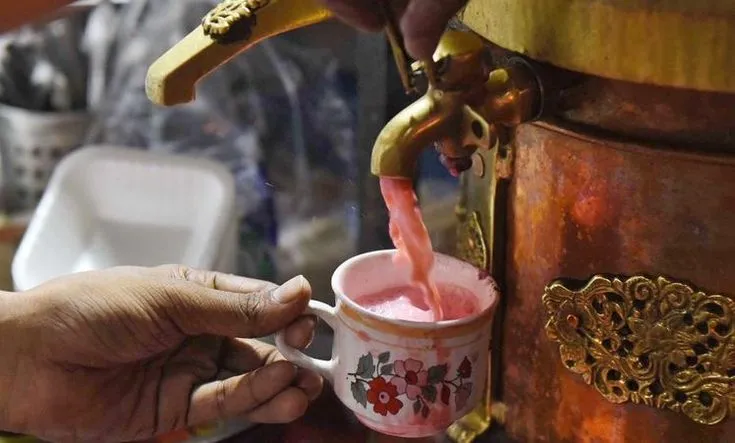
    The samovar, a metal urn traditionally used to brew and warm the tea, is an essential part of preparing authentic Noon Chai.  Beyond its functional purpose, the samovar also has cultural significance and is often passed down as a family heirloom over generations.

    The Alchemy Behind the Pink

    noon chai

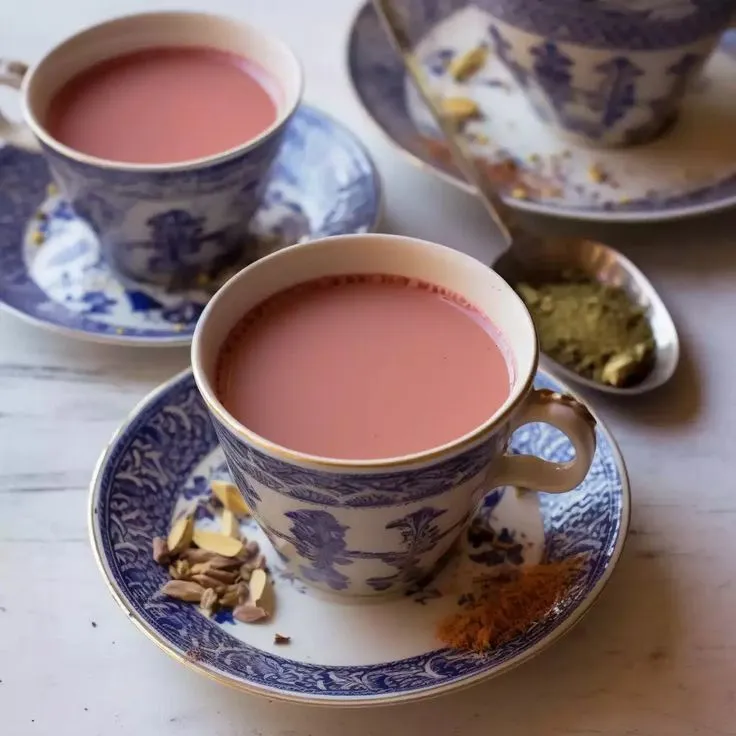
    The idea of a rose-colored, salty tea might strike one as odd at first.  But the process by which green tea is converted into this rose blend is a fascinating intersection of history and chemistry.

    Noon Chai (Kashmiri Pink Tea) Recipe

    Ingredients:

    • 2 teaspoons Kashmiri green tea leaves (“Bombai Chai” if possible)
    • 1 pinch baking soda (about 1/8 teaspoon)
    • 2½ cups cold water
    • ½ cup cold water (for shocking)
    • 1⅔ cups whole milk
    • 1 teaspoon salt

    Optional garnishes: chopped almonds, pistachios, or a dollop of whipped cream

    Instructions:

    Prepare the Tea Base:

    • Add a pinch of baking soda, one teaspoon of ground green cardamom seeds, and two teaspoons of Kashmiri green tea leaves.

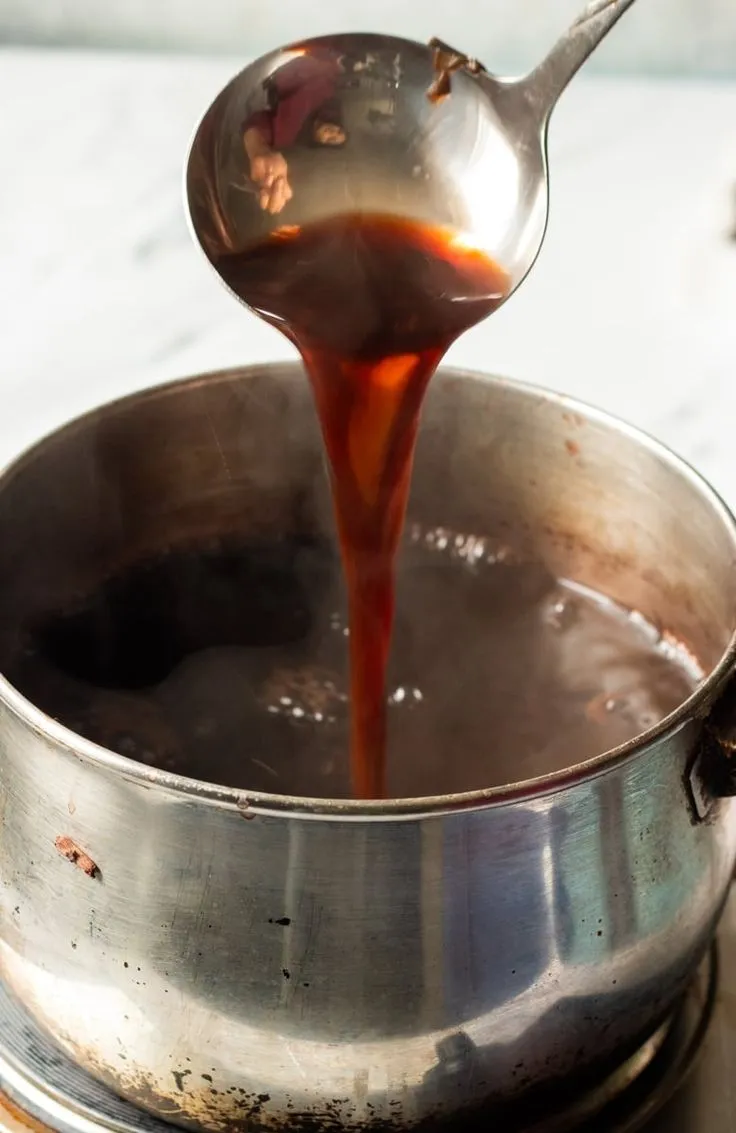
    Cover the saucepan with a lid and let it simmer for ten to fifteen minutes. The tea and baking soda will react, imparting a deep red color to the water.

    Shock the Tea:

    • After it has simmered, add ½ cup of cold water. This sudden change in temperature helps in color stabilization.
    • After straining the tea to remove the leaves, return the liquid to the pot.

    Add Milk:

    • The tea concentrate should be blended with 1⅔ cups of whole milk.
    • Reheat the mixture until it boils, then reduce the heat and let it gently simmer for another 10 to 15 minutes. The characteristic pink color of Noon Chai is created by the combination of the burgundy tea and milk.

    Season the Tea:

    • Add 1 teaspoon of salt to the tea and mix well. 
    • Taste and adjust the salt as needed.

    Serve:

    • Serve the Noon Chai in cups.
    • For a bit of added richness, garnish with chopped pistachios, almonds, or a spoonful of full-fat cream.

    Tips:

    • Tea Leaves: The colour and flavour are enhanced by using high-quality Kashmiri green tea leaves, such as the gunpowder type.
    • Baking Soda: Just a small amount is essential to create the signature pink hue of noon chai. Don’t use more than is required because it can impart a soapy flavour to the food.
    • Milk: Almond or cashew milk can be substituted in for a dairy-free option, but whole milk provides a creamy texture.
    • Aeration: To aerate it and provide a frothier consistency, pour the tea back and forth between two containers before serving.

    Traditionally, Noon Chai is made in a samovar, a metal urn that maintains the temperature of the tea for hours, enabling families to serve multiple cups over the course of a day. 

    More Than Just a Beverage

    In Kashmiri homes, noon chai is more than just a beverage—it’s a cherished cultural experience. It’s being served with breakfast and tea parties in the afternoon and regularly offered with native breads of tsochwor, girda, or kulcha. Consumption of this tea is a uniting experience.

    Beyond its daily enjoyment, noon chai holds deep ceremonial importance in Kashmiri tradition. It symbolizes hospitality and a rich history of Kashmir and is a staple during weddings, festivals, and other celebrations.

    A Modern Twist on Tradition

    Modern versions have been created to fit contemporary lifestyles, although the old school preparation of Noon Chai is a labor of love.  Easy recipes that incorporate pressure cookers or other shortcuts allow enthusiasts everywhere to experience this unique tea without compromising its foundational integrity.

    In addition, Noon Chai has also been popularized by the worldwide diaspora, with the result being innovative versions such as sweeter ones in Pakistan or vegan ones prepared with cashew or almond milk.

    Embracing the Pink Brew

    In a world filled with coffee shops and new-age drinks, Noon Chai is a testament to the long lasting charm of tradition. Its distinctive taste profile, a perfect blend of savory and creamy notes, is a comforting hug, particularly on cold days.

    noon chai

    So the next time you turn to a cup for warmth, try the pink elixir of Kashmir. Let Noon Chai take you to snow-covered valleys filled with stories of heritage, community, and eternal rituals.

  • What is Kashmiri kahwa? Benefits | Recipe | When It’s Served

    What is Kashmiri kahwa? Benefits | Recipe | When It’s Served

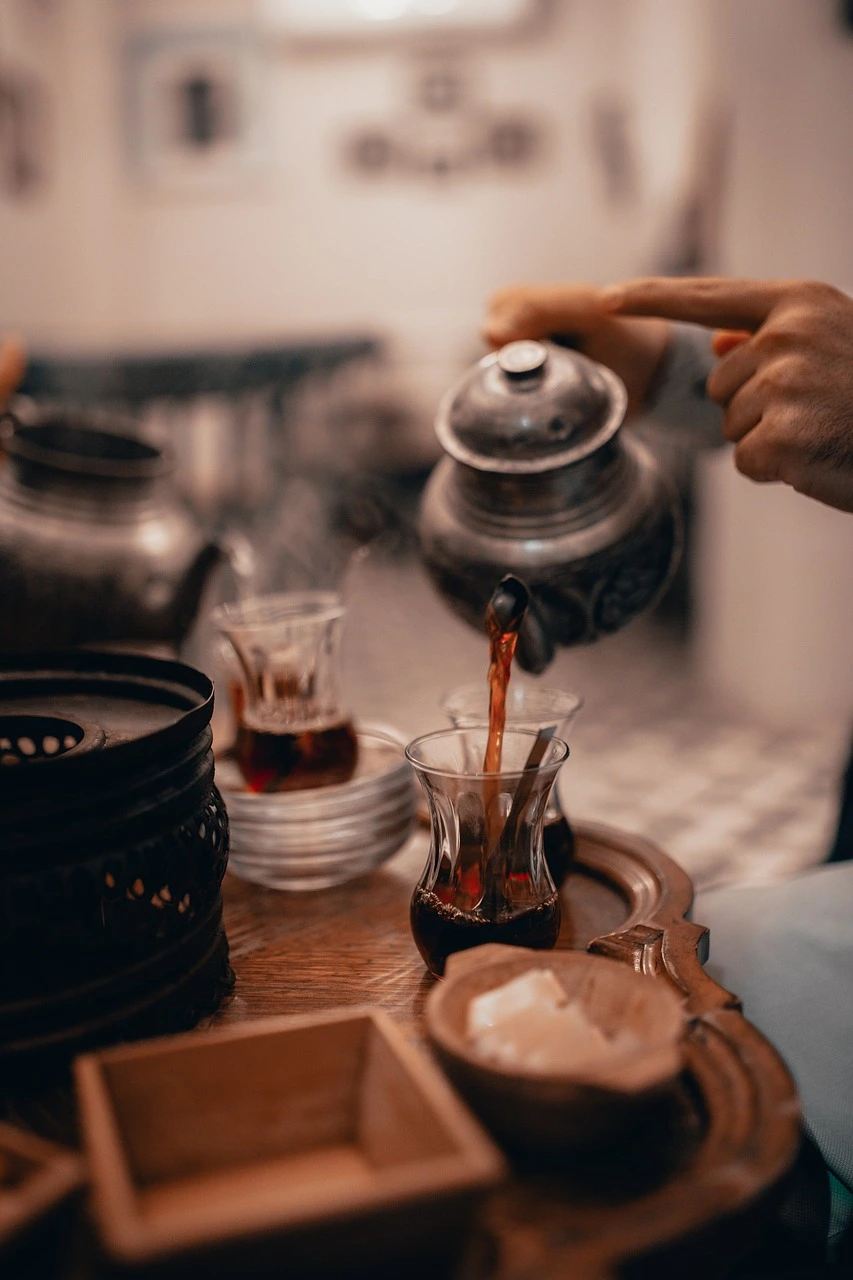
    kahwa, which is nothing but a traditional green tea, is not simply a beverage; it is a cultural, climatic and hospitable reflection of Kashmir. Sipped from elaborate engraved copper cups, kahwa provides warmth to a cold morning and a touch of grace to every gathering found in the valley.  Whether you’re walking through a snow-laced meadow or relaxing after a hearty wazwaan, a cup of kahwa completes the experience.

    Let’s explore the legacy, preparation, health benefits, and cultural significance of this aromatic drink that continues to charm both locals and visitors alike.

    The Legacy of kahwa in Kashmiri Culture

    kahwa has been a staple in Kashmiri homes for centuries. While there are differing opinions on its birthright, kahwa was most likely brought from Central Asia via its ancient home, the Silk Route. In Kashmir, kahwa took on the meaning of comfort, warmth, wellness, and welcome. kahwa becomes a naturally served drink to guests after festive feasts and in long winters to keep the body warm and hearts lighter. 

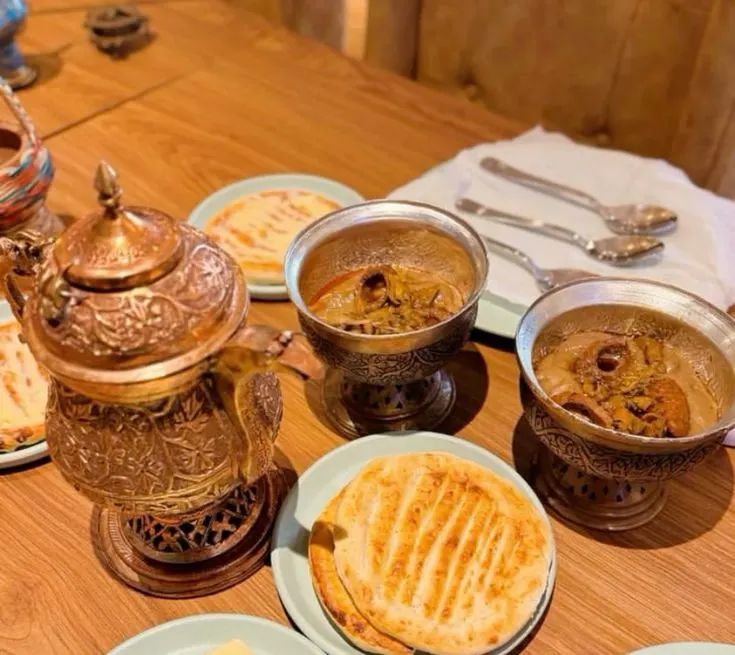
    kahwa is prepared in a traditional brass kettle (known as a samovar); kahwa embodies Kashmiri hospitality at its finest.

    What Goes Into a Cup of Kashmiri Kahwa?

    kahwa

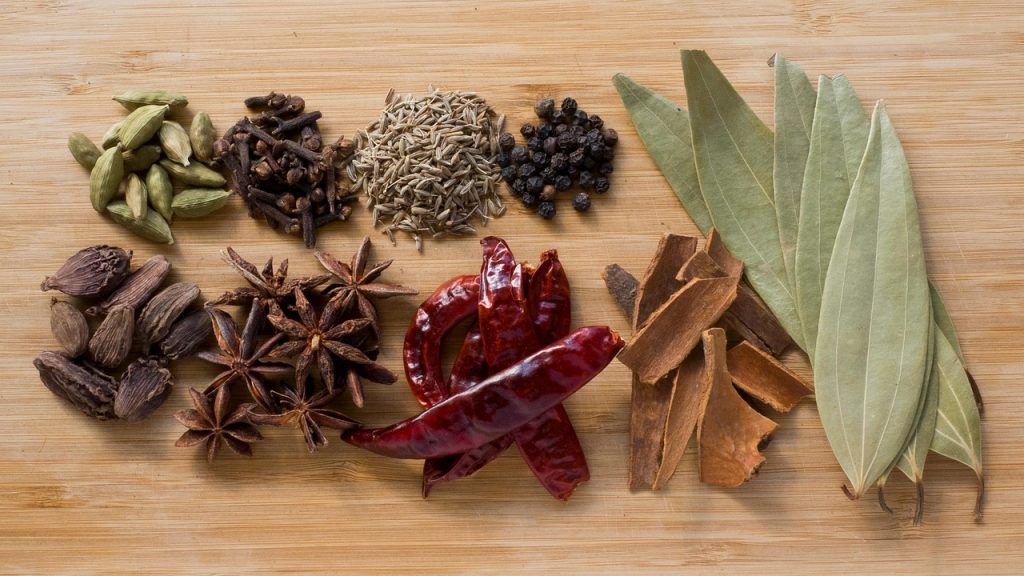
    Authentic Kashmiri kahwa is a blend of green tea leaves brewed with a medley of spices and garnishes. The most common ingredients include

    • Green tea leaves—the base of the brew.
    • Cardamom and cinnamon—for warmth and aroma.
    • Cloves—add depth and spiciness.
    • Saffron strands—for a golden color and fragrance.
    • Almond slivers—for a nutty finish.

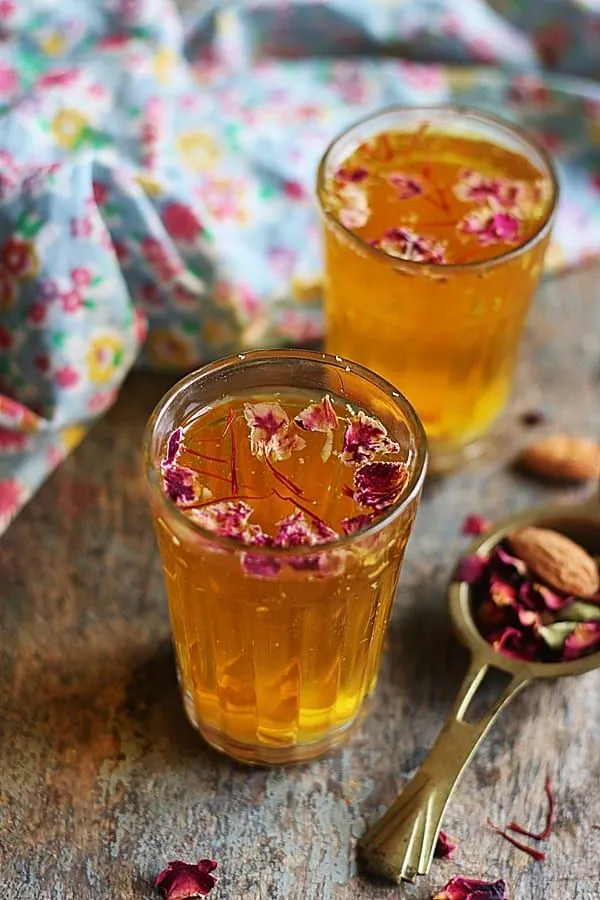
    Some families add crushed walnuts, apricots, or rose petals for a richer twist. Served hot in shallow cups, often with a topping of saffron, kahwa is a drink that soothes from within.

    How to Make Traditional Kashmiri Kahwa at Home

    Making kahwa is an experience in itself. Here’s a simple recipe to try at home:

    Ingredients:

    • 2 cups of water
    • 1 tsp green tea leaves
    • 2–3 crushed cardamom pods
    • 1 small stick of cinnamon
    • 2 cloves
    • A few strands of saffron
    • 1 tsp honey or sugar (optional)
    • Slivered almonds for garnish.

    Method:

    kawhwa
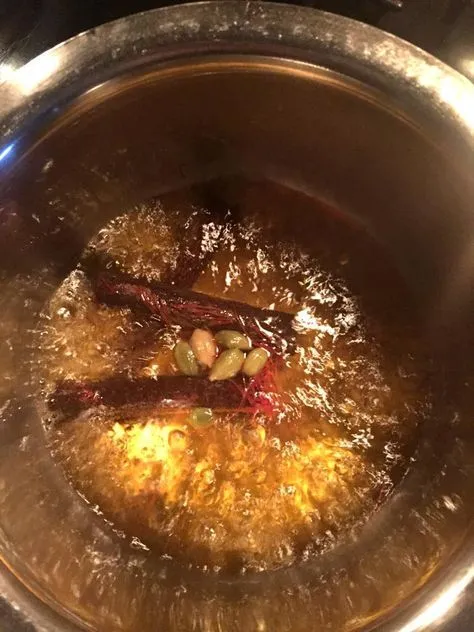
    1. Boil water with cardamom, cinnamon, and cloves for five minutes.
    2. Add saffron and green tea leaves; let it steep (don’t boil it further).
    3. Strain into cups and garnish with almonds.
    4. Sweeten as desired. Enjoy it warm.

    Serve it in a brass or copper cup to enhance authenticity, and enjoy each sip.

    Health Benefits of Kahwa

    There are many health benefits to enjoying kahwa, but even more reasons to make it a daily habit.

    Natural Detox

    The green tea and spices together cleanse the body. kahwa rids the body of unwanted toxic buildup and improves digestion.

    Boosts Metabolism & Aids Weight Loss

    Cinnamon, green tea, and cardamom speed up metabolism and increase calorie burning. kahwa is often consumed by people on weight management diet programs. 

    Relieves Stress & Uplifts Mood

    Many people use saffron in Ayurvedic medicine to help reduce anxiety and trigger relaxation. Something as simple as a warm cup of kahwa after a long day can help alleviate tension and improve your mind/body disposition. 

    Improves Immunity

    Ingredients in kahwa, like cloves and cinnamon, contain antifungal, antimicrobial, and anti-inflammatory properties that enhance the defense system of your body, fostering strength and immunity.

    Supports heart health.

    Almonds in kahwa are rich in healthy fats that reduce cholesterol and support heart function.

    Good for oral and digestive health.

    Cardamom and cloves aid digestion and freshen breath. They also help relieve bloating and nausea.

    Enhances Skin and Eyesight

    The antioxidants in saffron, green tea, and almonds contribute to clearer skin and improved eyesight.

    When is kahwa served in Kashmiri culture?

    Kehwa is more than a daily drink; it’s a reflection of Kashmir’s traditions, warmth, and way of life. Here’s when it’s typically served:

    During Winter Mornings and Evenings

    The cold climate of Kashmir makes kehwa a favorite winter drink. Its warming spices and saffron help keep the body warm and the soul relaxed, especially when snowflakes fall outside.

    After Wazwaan

    No Wazwaan—a grand multi-course Kashmiri feast—is complete without a cup of kehwa. It acts as a digestive and is a respectful way to close such a royal meal.

    Welcoming Guests

    Serving kehwa is a cherished symbol of Kashmiri hospitality. Whether it’s a close friend, a distant relative, or a first-time visitor, kehwa is offered with warmth and sincerity. The aroma of cardamom and saffron sets the tone for conversations and comfort. It’s not just about tea—it’s about making someone feel at home.

    Festivals and Celebrations

    Kehwa is served during joyous moments like Eid, weddings, or family reunions. It’s also offered during times of sorrow, symbolizing peace, healing, and support. It binds people together in moments of both happiness and reflection.

    During Illness Recovery

    Thanks to its natural healing ingredients—like saffron, cinnamon, and cloves—kehwa is often recommended when someone is feeling under the weather. It soothes sore throats, relieves congestion, and gently boosts energy during recovery.

    Evening Chai Sessions

    Instead of regular milk tea, many Kashmiris prefer kehwa in the evenings—especially when gathered around a kangri (traditional fire pot) or a bukhaari (wood stove). It’s sipped slowly during heartfelt chats, while watching the snowfall, or while reading poetry. It turns an ordinary moment into something peaceful and memorable. Often, almonds or saffron threads float in the cup, making it both a treat for the eyes and a comfort for the heart.

    Why Kahwa is a Must-try for Every Traveler.

    When in Kashmir, make sure to have some kahwa during the daytime at a roadside dhaba or while taking a leisurely shikara ride on Dal Lake. You might even find some cafes with gourmet versions, like rose kahwa, saffron-almond kahwa, and even kahwa ice cream! 

    Kashmir doesn’t disappoint, whether it’s for the snow or saffron fields; kahwa combined with local seasonal delicacies is the ticket you beg for!

    Embrace the spirit of Kashmir with kahwa.

    kahwa

    Kahwa is more than a customary drink; kahwa is the essence of Kashmir’s beauty, warmth, and ancient practices; a single cup contains a thousand stories about the people and spirit of the valley and their love for guests.

    Ready to discover more cultural gems of Kashmir? Explore our other blogs or plan your soulful escape with Kashmir Whispers today.

  • Kashmiri Muji Gaad Recipe: A Winter Classic Of Fish And Radish

    Kashmiri Muji Gaad Recipe: A Winter Classic Of Fish And Radish

    Kashmir is heaven, not only in terms of landscapes but for foodies too. Everyone should not only visit Kashmir but also try Kashmiri food once in their lifetime. Kashmir cuisine is varied and flavorsome. Not only will you find the influence of Mughals and Arabs in the dishes, but many of the dishes have a signature of Kashmiri pundits on them. If you are a meat lover, you have more advantages than vegetarians because Kashmiris know 30 different ways to make mutton. 

    Though this does not mean Kashmir food has nothing to offer to vegetarians. When you go through the list, you will find yourself drooling over your screen. Muji gaad or machhli mooli, as commonly known, is a very special regional specialty from Kashmir. This delicacy from Kashmiri Pundit cuisine is also hugely popular during winters.

    Served on festivals and occasions, Kashmiri gaad is a dish made up of fish prepared generally with radish or nadur. This dish is an amalgamation of vegetarian and non-vegetarian items as the taste of fish and lotus stem blend together to give it a unique taste, while hot spices and herbs add to its unique yet amazing flavour and aroma. This dish is usually served/during festivals like ‘Gaada Bata’ in the month of December.

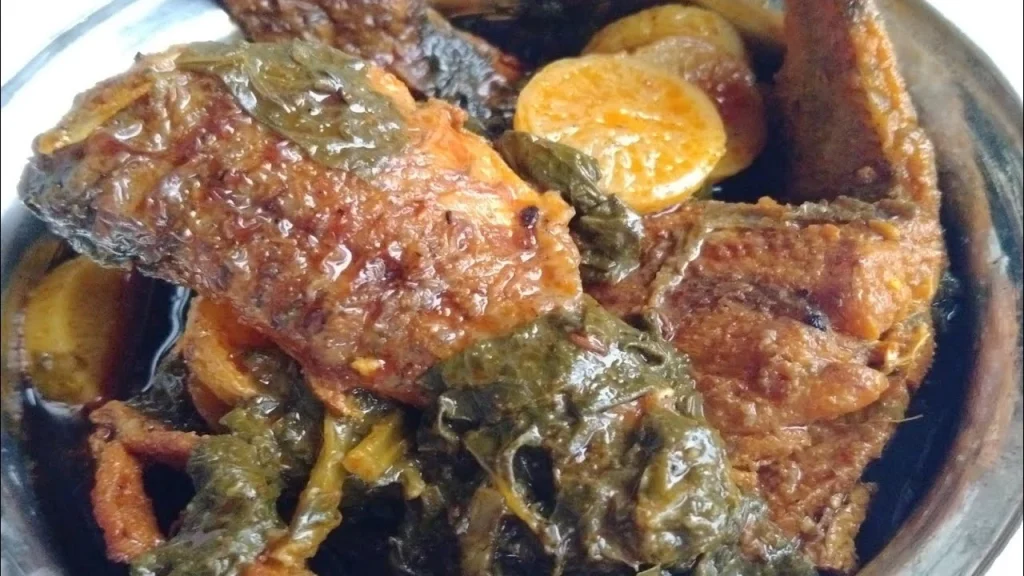
    Muji gaad, also known as Machhli Mooli, is a traditional Kashmiri Pandit dish consisting of fish curry cooked with radish. It’s a special wintertime dish, often prepared for festivals and special occasions, and is typically served with plain steamed rice. The dish is known for its spicy and tangy flavor.

    Muji gaad, also known as Machhli Mooli, is a traditional Kashmiri Pandit dish consisting of fish curry cooked with radish. It’s a special wintertime dish, often prepared for festivals and special occasions, and is typically served with plain steamed rice. The dish is known for its spicy and tangy flavor.

    Benefits of Eating Fish

    High in important nutrients

    Fish is packed with many nutrients. This includes high-quality protein, iodine, and various vitamins and minerals.

    Fatty species are sometimes considered the healthiest. That’s because fatty fish, including salmon, trout, sardines, tuna, and mackerel, are higher in fat-based nutrients.

    This includes vitamin D, a fat-soluble nutrient that many people are deficient in.

    Fatty fish also boast omega-3 fatty acids, which are crucial for optimal body and brain function and strongly linked trusted source to a reduced risk of many diseases.

    May lower your risk of heart attacks and strokes

    Fish is considered one of the most heart-healthy foods you can eat. Researchers believe that fatty types of fish are even more beneficial for heart health due to their high omega-3 fatty acid content. In a 2020 review study, researchers concluded that fish consumption is associated with a lower incidence of coronary heart disease (CHD) and mortality.

    Growth and development nutrients

    Omega-3 fatty acids are essential for growth and development.

    The omega-3 fat docosahexaenoic acid (DHA) is especially important for brain and eye development. Another omega-3 fat, eicosapentaenoic acid (EPA), is important to take during pregnancy, as it supports a healthy heart and immune response during fetal development.

    May boost brain health

    Your brain function often declines with aging. While mild mental decline is normal, neurodegenerative ailments such as Alzheimer’s disease also exist.

    Ingredients:

    • 800 g of freshwater fish
    • 400 gms white radish
    • half a cup of yoghurt
    • 2 tsp salt
    • 2 1/2 turmeric powder
    • 20 ml lemon juice
    • 100 ml mutard oil – 100 ml
    • 4 tsp Kashmiri chilli
    • Powder
    • 1/4 tsp asafoetida
    • 2 no bay leaves
    • 8 nos cloves
    • 5 green cardamoms
    • 1/2 tsp cinnamon powder
    • 1 tsp back cumin powder
    • 1 tsp ginger powder
    • 3 tsp fennel powder
    • 1/4 tsp black pepper powder
    • 30 g tamarind pulp
    • Oil (for deep frying)

    Step-by-Step Muji Gaad Recipe:

    Clean and cut the fish into small pieces without the bones. Wash and pat dry with a kitchen towel. Marinate the fish in one teaspoon of salt, turmeric powder, and lemon juice. Keep aside for 15 minutes. Peel and cut radish (mooli) into 1 1/2 inch thick roundels. Prick with a fork and keep aside. Soak the tamarind in warm water (approximately 1 cup) for 30 minutes. Mash it with your hands and extract the pulp. Strain and keep aside.

    Heat oil in a kadhai. Deep fry the fish till crisp and well browned, and then fry the radish till golden.

    Remove from the oil and keep aside on a kitchen towel to drain excess oil.

    Now heat the mustard oil to the smoke point, lower the flame, and then add green cardamom, cloves, and bay leaf.

    Mix Kashmiri chilli powder, turmeric powder, and asafoetida powder with yoghurt and add to the crackling spices in the kadhai, stirring continuously.

    Then add 1 cup of warm water and bring to a boil. Add salt, fennel powder, ginger powder, and tamarind extract. Mix well.

    Add the fried fish and fried radish to the gravy, cover with a lid, and simmer on a slow flame till the gravy has reduced to half its quantity.

    Finish with cumin powder and cinnamon powder. Serve warm with steamed basmati rice.

    Conclusion

    Muji Gaad is traditionally served with steamed rice, which helps balance the bold flavors of the mustard oil and spices used in the dish. The soft, spiced fish combined with the slightly sweet and earthy radish complements plain rice perfectly, making it a wholesome and satisfying winter meal.

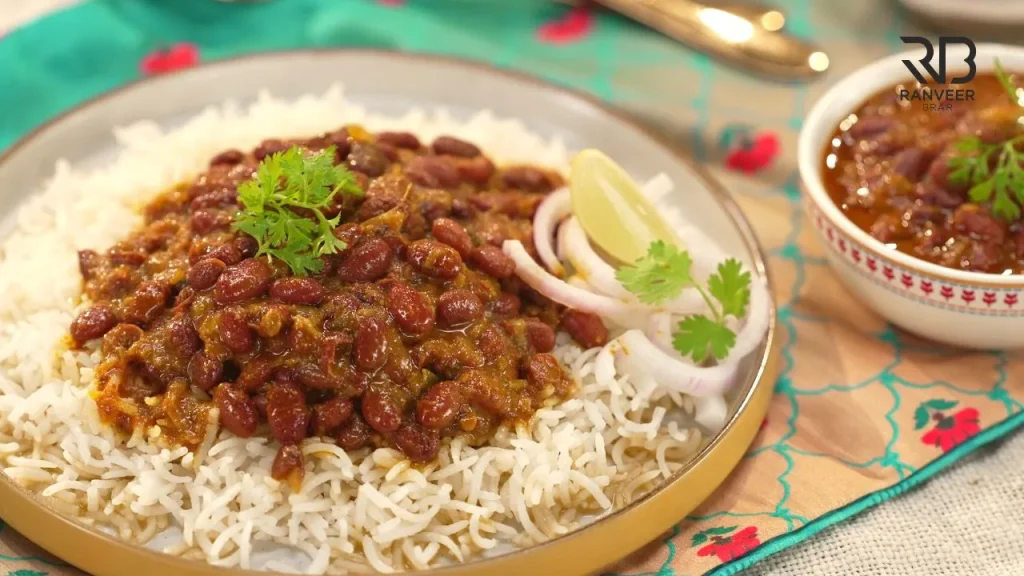
  • Kashmiri Rajma Recipe: Red Kidney Beans

    Kashmiri Rajma Recipe: Red Kidney Beans

    Rajma in general is adored by Indians, there are numerous types of rajma enjoyed by people inhabiting different regions. Northern India is dominated by two types of rajma: the Lal Rajma and the Chitra Rajma. The lal rajma, which is one of the most commonly enjoyed kidney beans in India, is deep red in color. Hard and thick in texture, the lal rajma has to be soaked in water for eight to ten hours before it is considered fit for cooking. 

    The long soaking period is worth it, as this red bean is packed with iron and dietary fiber. It is low in the Glycemic index and is good for those suffering from diabetes. Along with the lal rajma, the chitra rajma is also a popular rajma known across India. This type of kidney bean is visually quite distinct from its red variant as it is brown with red dots or lines. This variant is grown in the Himalayan region and sometimes used in Kashmiri cuisine.

    The chitra rajma is softer than the lal rajma and requires soaking for four to six hours before cooking. This rajma is a great source of protein and vitamins. Apart from the two major variants, numerous other kinds of rajma are also quite popular in parts of the Indian subcontinent. Among them, the Kashmiri rajma, also known as the Jammu rajma (The Times of India, 2022) or the Bhaderwah variety of rajma, is popular in Jammu and Kashmir in particular and northern India in general. 

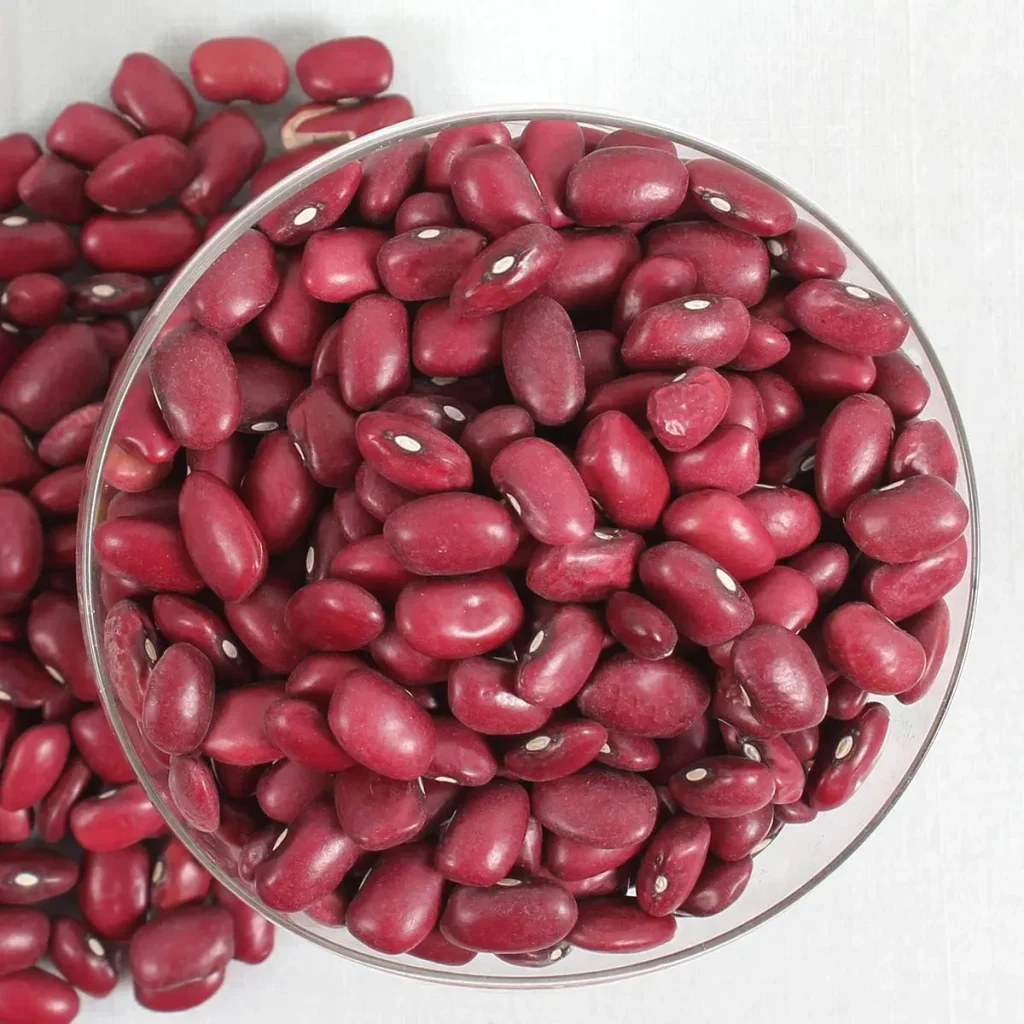
    It can be distinguished by its smaller size and glossy red appearance. This type of rajma is reputed not to lose its color and shape even after cooking, despite being able to absorb the surrounding flavors. This, along with the fact that it is sweeter compared to other rajma varieties (Tarladalal, 2021) and melts in the mouth if slow-cooked well (Wander On, 2023), makes it an attractive option for rajma admirers.

    Kashmiri rajma is generally used in soups, salads, chillies, and refried beans. However, in India, the Kashmiri rajma is most popularly used to make curries and gravies, especially onion or tomato-based gravies (Tarladalal, 2021). The Kashmiri rajma-based dishes seem to be the most popular among the Kashmiri rajma masala curry. The Kashmiri rajma masala curry is a yoghurt-based curry which is usually served with steamed rice, jeera rice, and lightly spiced pulao. Popular in Kashmiri households, this non-spicy delicacy is completely vegetarian and can easily be made gluten-free.

    What is Kashmiri Rajma

    “Red Kidney Beans,” more popularly known as “Rajma,” got this name due to their shape, which resembles the human kidney. They are one of the tastiest beans and belong to the lentil food group. Rajma forms an important part of a vegetarian diet due to its excellent protein content. Rajma is a popular South Asian vegetarian dish and is prepared in a thick gravy with many Indian whole spices and usually served with rice and other foods. Some of the best rajma are said to be grown in the Nepal hills, the  North Indian states of Himachal Pradesh and Jammu and Kashmir. Rajma of Chinta valley in Doda district is said to be amongst the most popular. These are smaller in size than most rajma grown in the plains and have a slightly sweetish taste.

    Kashmiri Rajma Nutrition Facts

    These beans are a storehouse of protein and an ideal replacement for red meat. Piping hot rajma chawal is a perfect balance of protein on par with dairy or meat protein without added calories and saturated fat. A cup of kidney beans provides 15 grams of protein.

    Kidney beans are an excellent source of minerals such as copper, iron, manganese, phosphorus, molybdenum, and vitamins B1 and folate. With negligible sugar content, inherently high in dietary fibres, and possessing a low glycemic index (GI), these wholesome beans serve as an ideal addition to a diabetic diet.

    Composed of starchy carbohydrates, B vitamins, and ample roughage, kidney beans facilitate smooth digestion and ensure optimal metabolism. Moreover, these legumes are packed with profuse quantities of isoflavones and flavonoid antioxidants, which aid in controlling blood sugar, preventing sudden spikes in blood pressure, and preserving cardiac muscle function and heart wellness.

    The richness of nutrients in kidney beans, hence, provides a host of healing health benefits, including regulating blood sugar, lowering cholesterol, and boosting immunity.

    Antinutrients In Kidney Beans

    Raw and improperly cooked kidney beans contain many antinutrients, which are compounds that lower nutritional value, harming nutrient absorption from the intestine. Some of the antinutrients present in kidney beans include:

    Phytic acid impairs the absorption of iron and zinc. Protease inhibitors, also known as trypsin inhibitors, impede the functioning of digestive enzymes.

    Starch blockers impair the absorption of carbohydrates from the GI tract. However, the antinutrient activities are completely or partially rendered inactive when the kidney beans are soaked and cooked well.

    Kashmiri Rajma Health Benefits

    Regulates Blood Sugar

    Rajma is an excellent legume that helps in stabilizing blood glucose levels as it is a good source of soluble fibre and has a low glycemic index. Kidney beans are a slow-burning carbohydrates that can prevent a spike in blood glucose levels. Moreover, the soluble fibres in rajma lower blood sugar and cholesterol levels, improve insulin sensitivity, and assist in managing diabetes symptoms.

    Heart Healthy

    The goodness of fibre in rajma is beneficial in lowering the risk of heart disease. Evidence proves that soluble fibre in rajma lowers bad cholesterol (LDL) and ups the good cholesterol (HDL) by forming a gel-like substance in the stomach and preventing the reabsorption of cholesterol into the body. In addition, rajma is a good source of potassium, which dilates blood vessels and lowers blood pressure.

    Prevents Cancer

    Rajma is loaded with whopping amounts of antioxidants that help in the battle against cancer. The presence of flavonoids in rajma is beneficial in preventing the formation of cancer cells. According to the American Cancer Society, lignans and saponins in rajma can fight cancer cells.

    Sustains Weight Loss

    The abundance of soluble fibre and protein in rajma is one of the best legumes to be added to a weight loss meal plan. These beans keep you satiated, slow gastric emptying time, and help in losing weight. The presence of alpha-amylase inhibitor in rajma hinders the absorption and breakdown of starch and aids in weight loss.

    Strengthens Bones

    Rajma is filled with essential minerals, calcium, and magnesium that help strengthen bones and prevent osteoporosis. Good amounts of folate in rajma support joint health and lower the risk of bone problems like osteomalacia and osteoporosis.

    Side Effects

    Consuming raw or partially cooked kidney beans is toxic, as they contain high amounts of a toxic protein, phytohaemagglutinin, which may cause diarrhoea and vomiting. Excess intake of cooked kidney beans may also cause digestive discomfort, such as bloating and flatulence.

    Kidney beans should be soaked in water for at least 5 hours and cooked thoroughly to eliminate most of the toxins, thereby making them safe, harmless, and nutritious to consume.

    Kashmiri Rajma Recipe Ingredients:

    • Preparation time 7-8 hrs
    • Cooking time 30 mins
    • Serves 2
    • 1 cup Rajma (red kidney beans)- Soaked overnight, drained & rinsed
    • ½ cup tomato puree
    • 1 onion, finely chopped
    • 5 to 6 tablespoons curd, whisked
    • 1 bay leaf
    • Oil as required
    • A pinch of asafetida
    • 1 tsp cumin seeds
    • 1 tsp ginger powder
    • 1 tsp ginger paste
    • ½ tbsp coriander powder
    • 1 tbsp Kashmiri chilli powder
    • 1 slit green chili
    • 1/2 tsp garam masala(1 black cardamom, 5 green cardamom, 4 ½ tsp peppercorn, 2 pcs cinnamon)dry roasted and powdered.
    • Salt to taste
    • 1 tbsp coriander leaves, finely chopped

    Step-by-step Kashmiri Rajma recipe:

    • Add rinsed rajma, 1 bay leaf, and required salt into a pressure cooker with 2 to 3 cups of water. After the first whistle then reduce the flame and cook for another 15 minutes, then remove from the flame.
    • Drain the water from the beans and keep the water aside for later use.
    • Heat oil in a wide pan, add cumin seeds and asafoetida.
    • Then add finely chopped onion and sauté it till it becomes light brown in colour. Add ginger paste and dry ginger powder.
    • Now add tomato puree and cook it for about 5 to 8 minutes.
    • After that, add the whisked curd and keep stirring, or else it will curdle. Cook till the oil separates from the gravy.
    • Now add red kashmiri chilli powder, coriander powder, slit green chili and salt required.
    • Add the rajma and the water (which we retained from the boiled rajmas)
    • Mash some of the rajma to give the gravy a body.
    • Stir it and let it cook for 15 to 20 minutes on a low flame. Add homemade fresh garam masala and let it cook for 5 more minutes.
    • Once it is done, garnish with chopped coriander leaves, and it is ready to be served.

    Rajma is usually served with plain boiled basmati rice. I cooked small-grain govindbhog rice for this meal as it is very soft and goes well with this mildly flavored, smooth Kashmiri rajma.

    Conclusion

    In general, kidney beans are reputed to be rich in iron, potassium, magnesium, phosphorus, copper, Vitamins B and K, amino acids, and protein (The Times of India, 2022). The Kashmiri rajma in particular is a complex carbohydrate that helps to lower cholesterol. It is high in fiber, which makes it good for diabetic patients. One cup of cooked Kashmiri rajma has 26.2% of our daily magnesium requirements. As this rajma is high in potassium, it helps in lessening the impact of sodium in the body and hence is helpful for those suffering from high blood pressure.

  • Kashmiri Haak Recipe: Tasty Style Haak ka Saag Recipe

    Kashmiri Haak Recipe: Tasty Style Haak ka Saag Recipe

    Food is seen as one of the most important indicators of human culture. The culinary culture of a particular region reflects the geographical and climatic realities, resource availability, interregional and intercommunity interactions, religious beliefs, and hygiene practices of the communities that inhabit that region, among other factors. Naturally, the kind of culinary culture that is prevalent differs to various degrees across regions and communities. Jammu and Kashmir is no exception.

    The culinary arts are an essential part of the splendid culture of Jammu and Kashmir as a whole, exhibiting the marvelous results of centuries of interactions and innovations. The mouth-watering dishes of Jammu and Kashmir have crossed regional boundaries, and many of J&K’s unique delicacies have now become famed across India. Rogan Josh, Aab Gosht, Goshtaba, Kashmiri Pulao, and Kashmiri Aloo Dum are some of the dishes that have won the hearts and minds of millions. The light, soupy, and tasty haak seems to be one of those gems that should definitely grace the global palate.

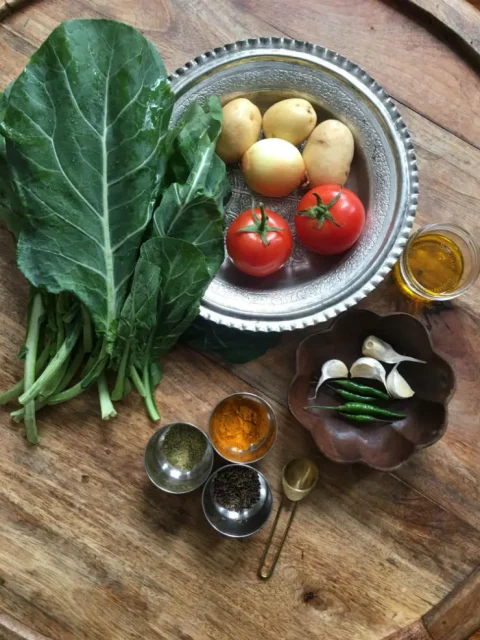
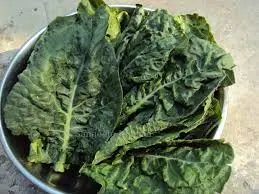
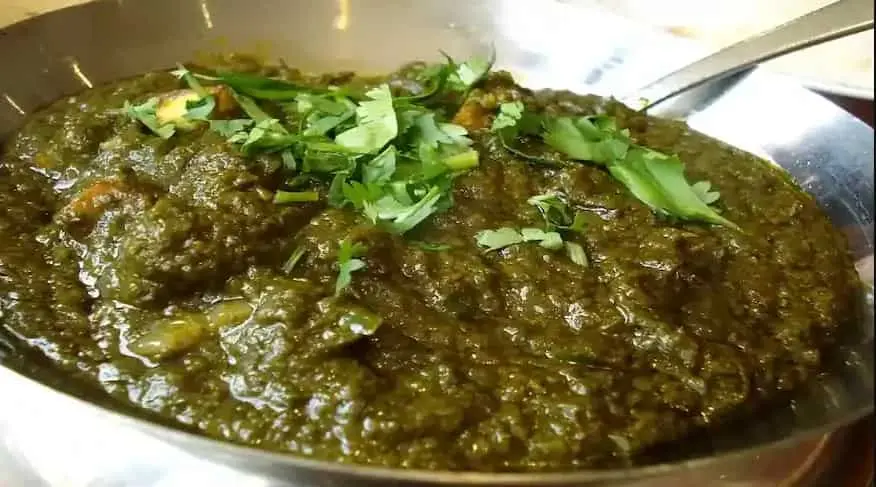
    Kashmiri haak, usually made with collard greens, is a cherished staple in the Kashmiri Pandit cuisine. It doesn’t just have plenty of nutritional benefits, but it can also be a part of a delicious seasonal meal.

    What is Kashmiri Haak?

    Kashmiri haak, also known as Kashmiri saag, is a traditional dish in the Kashmir Valley made with collard greens (or other leafy greens) cooked with spices like asafoetida, mustard oil, and red chilies. The word “haak” in Kashmiri translates to “greens,” and the dish is a staple in Kashmiri cuisine, particularly among the Kashmiri Pandit community.

    There is no one universally agreed-upon process of preparing haak. Variations range from regional to local, and like every dish, sometimes variations even take place across households.

    As stated earlier, there are numerous variations in preparing haak. While minor variations result from using different kinds of vegetable ingredients, it is also crucial to mention that there are non-vegetarian varieties of the dish as well. Some people use lamb broth while cooking haak in order to give the dish more flavor.

    Monje Haak

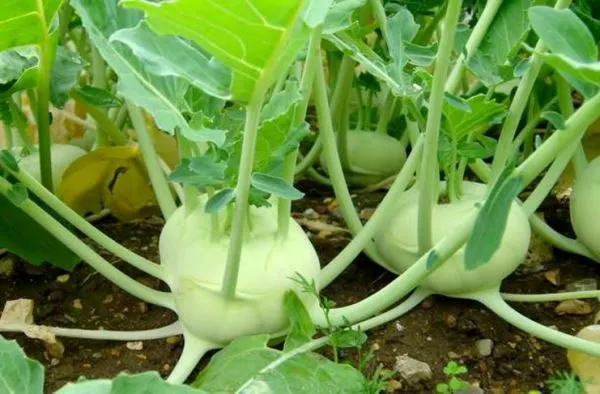
    Monje Haakh features knol khol, also known as kohlrabi, which is a type of turnip-like vegetable that is widely used across the country. The dish is known for its simplicity and the way it highlights the natural flavours of the kohlrabi. Typically, both the bulb and the greens of the kohlrabi are used in this preparation. The kohlrabi bulb is peeled and chopped, while the greens are thoroughly washed and cut into pieces.

    Dageth Haak

    Made with mashed collard greens, this quintessential recipe is often made a part of Wazwan platters. Dageth Haak is known for its robust, earthy flavour and is typically cooked with minimal spices to let the natural taste of the greens shine through. The dish is highly nutritious, rich in vitamins A, C, and K, iron, calcium, and dietary fiber, making it an essential part of the local diet. Dageth Haak is commonly served with rice or maize-based dishes, enhancing its role as a staple food in the region’s culinary landscape.

    Woste Haak 

    Kashmiri Wosta Haakh is made with red spinach, known for its vibrant colour and distinct flavour. With its tender leaves and slightly earthy taste, it complements the robust flavours typical of Kashmiri cuisine. The preparation process remains faithful to the traditional methods, ensuring that the essence of the leafy green is preserved. This flavorful and nutritious dish showcases the natural, muted sweetness of the spinach, balanced by the slight bitterness of the greens and the aromatic spices. This haak is traditionally served with steamed rice.

    Methi Haak 

    Unique flavours of fenugreek greens in a simple yet delicious manner. This dish is a part of the rich Kashmiri culinary tradition, which often emphasizes the use of fresh, local ingredients and straightforward cooking techniques to create flavorful and nutritious meals. 

    In Methi Haak, the slightly bitter taste of fenugreek leaves is beautifully balanced with the subtle flavours of Kashmiri spices. The dish typically features a tempering of mustard oil, which is a staple in Kashmiri cuisine, adding a distinctive pungency and depth. Aromatic spices like asafoetida (hing) and dried red chillies are used to enhance the overall flavour profile, creating a harmonious blend that complements the fenugreek.

    Nutritional Fact

    Collard green is a low-calorie vegetable laden with many essential nutrients that support optimizing overall health. A serving of greens (1 cup) provides 12 calories, 2 grams of carbohydrates, 1.4 grams of dietary fibre, and 1 gram of protein. It is bestowed with immense amounts of calcium, magnesium, potassium, phosphorus, and vitamins K, C, and folate. Furthermore, these greens are a storehouse of beneficial plant compounds known as antioxidants, such as phenols, polyphenols, and alpha-lipoic acid, that reduce oxidative stress by fighting free radicals in the system, reducing inflammation, and lowering the risk of developing chronic ailments.

    Health Benefits of Haak

    Green Leafy veggies come with an extremely impressive nutrient profile that confers a host of healing health benefits. There’s a broad spectrum of greens locally available in the market, such as spinach, moringa, mustard greens, fenugreek leaves, kale, cabbage, collard, to mention a few. Packed with a treasure trove of phytonutrients, greens help to improve the digestion process, bolster the immune system, shed surplus kilos, and lower the risk of chronic diseases. Read this article to explore the health benefits, nutritional value, and ways to add collard greens to your meal plan.

    Cancer Prevention

    Collard greens contain glucosinolates, which have anti-carcinogenic effects. They are also rich in antioxidants that can help protect against cell damage and reduce the risk of certain cancers. 

    Bone Health 

    Collard greens are a good source of vitamin K, which is essential for calcium absorption and bone health.

    Skin and Hair Health

    They are rich in vitamin A, which is important for skin and hair growth and sebum production. Vitamin C contributes to collagen production, which provides structure to skin and hair. Iron, also present in collard greens, helps prevent anemia, which can cause hair loss.

    Digestion

    The high fiber content in collard greens promotes regular bowel movements and can help prevent constipation.

    Mood Enhancement

    Collard greens contain choline, a neurotransmitter that can help maintain healthy sleep and a good mood.

    Other Notable Benefits

    Blood Pressure:

    Collard greens contain magnesium, which is important for maintaining healthy blood pressure. 

    Immune System

    Vitamin C and antioxidants in collard greens support a healthy immune system. 

    Heart Health

    Collard greens can contribute to heart health through their fiber content and antioxidants.

    Ingredients:

    • 1/3 cup oil, preferably mustard oil
    • 2 teaspoons salt
    • 1/2 teaspoon baking soda
    • 1 pinch asafoetida powder (hing), optional
    • 500 grams of haak or collard greens, washed, leaves kept whole
    • 4 dried red chillies, preferably Kashmiri red chillies

    Method

    1. Pour 2 liters of water into a large saucepan over high heat. Add oil and bring to a boil. 
    2. Toss in salt, baking soda, and asafoetida if using; stir till completely dissolved. Add haak to the saucepan and press down with a spatula. Bring the water back to a boil and continue to press down with a spatula or large spoon. It is important that the haak stays submerged in the water. Continue cooking for about 15 minutes, stirring and pushing the haak down occasionally so that it remains submerged. 
    3. Add red chillies (Kashmiri) and cook for another 5 minutes till the haak is tender and cooked through. Remove from heat. 
    4. Transfer the haak to a serving bowl along with its cooking liquid. Eat hot ladled over rice.

    Conclusion

    Kashmiri Haak is more than just a dish; it’s a symbol of Kashmiri culture, a testament to the valley’s resilience, and a delicious way to enjoy the bounty of the land. Its simplicity and versatility make it accessible to all, while its nutritional benefits and comforting flavors make it a cherished part of the Kashmiri diet.

  • Harissa Kashmir: A Warm Bowl of Comfort

    Harissa Kashmir: A Warm Bowl of Comfort

    When winter comes to the Kashmir Valley, people turn to Harissa Kashmir. This native dish has warmed hearts for centuries. As snow and frost cover the region, it makes Harissa a favorite choice. 

    This slow-cooked mutton stew is hearty and filling. It’s more than a meal; it’s a cultural treasure that has won the hearts of many generations.

    What is harissa?

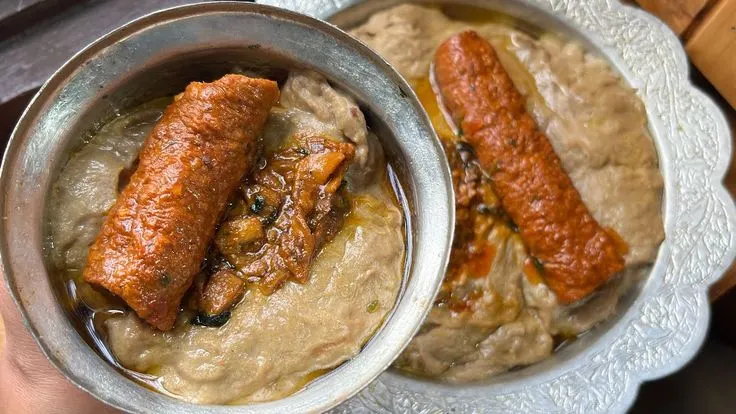
    Harissa is a traditional dish from Kashmir. It involves slowly cooking mutton with spices and rice flour. This method results in a smooth, rich paste. People enjoy it in winter, especially in the morning. It gives warmth and energy for the day ahead.

    A Glimpse into History

    As legend has it, the Persian Sufi mystic Mir Syed Ali Hamdani brought Harissa to Kashmir in the fourteenth century.  This dish evolved through the years with local traditions and  spices to become a staple food for cold winter days. Prepared during Chillai Kalan, the 40-day period of intense cold, Harissa nourishes as much as it does comfort.

    Why is harissa Kashmir special?

    • Winter Warmth: Harissa Kashmir keeps you warm, making it ideal for Kashmir’s chilly winters.
    • Folk Tradition: In Srinagar, especially in Aali Kadal and Saraf Kadal, people visit small harissa shops in the early hours of the morning, where they enjoy this dish along with others.
    • Family Tradition: The preparation of Harissa tends to become a family tradition, generation after generation, passing on techniques that are a great bond of togetherness among family members.

    The Craft of Preparation of Harissa Kashmir

    Preparation of authentic Harissa Kashmir is a patience-calling exercise that begins the previous day. Good-quality mutton with bones is cooked slowly overnight in a combination of aromatic spices like fennel seeds, cardamom, and cinnamon. 

    An expert minces the meat into a paste-like form and then removes the bones once it has turned soft. 

    Rice flour and milk add the characteristic harissa texture to the dish. The finishing touch, which adds depth and richness to the meal, is to finish it with crispy fried onions and a dash of hot oil.

    Harissa in Contemporary Kashmir

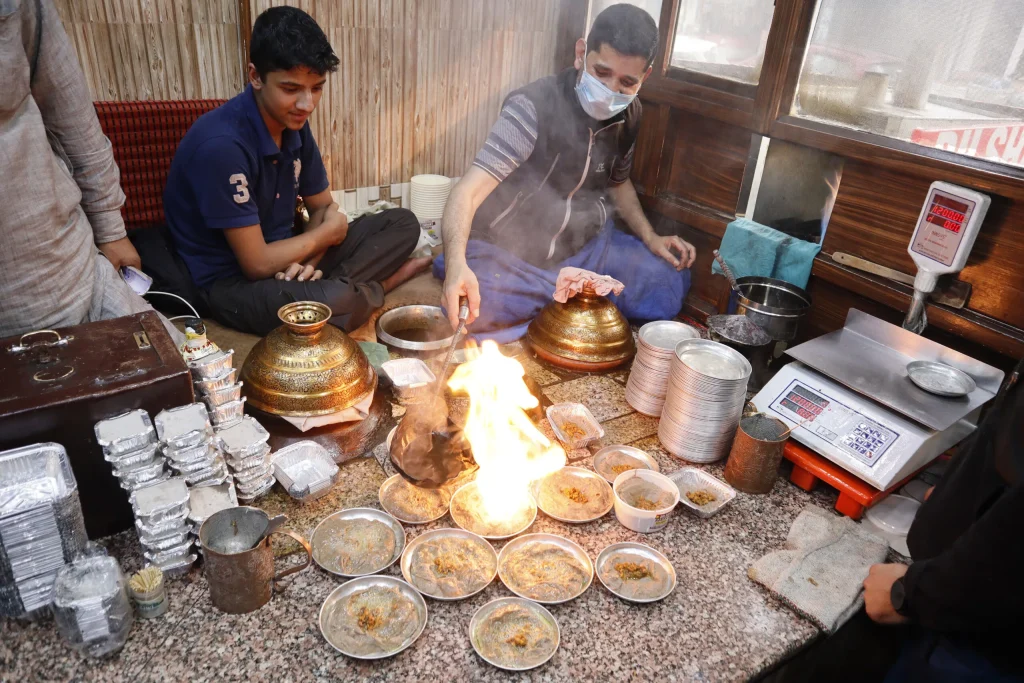
    Winter is when many families make Harissa. This dish is special in Srinagar’s old city. Harissa shops in Aali Kadal, Saraf Kadal, and Fateh Kadal are famous. Some have been serving this special dish for over a century. People dine on a meal of freshly prepared Harissa, accompanied by indigenous Kashmiri bread named Girda, as the shops open in the morning.

    A Symbol of Tradition and Togetherness

    In addition to its culinary appeal, Harissa symbolizes unity and tradition. It’s a tradition that families send some portions of Harissa to their relatives, especially newlywed daughters, as a symbol of love and unity. This tradition reiterates the use of the dish as not just food but as a symbol of familial bonding.

    Recipe: Making Harissa Kashmir at Home

    Ingredients:

    • 1 kg mutton (preferably bone-in)
    • 4 cloves of garlic
    • 500 g red onions, coarsely chopped
    • 8 peppercorns
    • 3 tbsp of fennel seeds
    • 4 cloves
    • 2-inch cinnamon stick
    • 4 brown cardamom
    • 8 green cardamoms
    • Salt to taste
    • 1 tbsp dried ginger powder
    • 1 cup vegetable oil
    • ½ cup rice flour
    • 250 mL milk
    • 1 cup crispy fried onions (for garnish)

    Step-by-Step Instructions

    1. Cook the mutton.

    • In a large pressure cooker, combine the mutton pieces with garlic, chopped onions, and spices. Add peppercorns, fennel seeds, cloves, a cinnamon stick, brown and green cardamoms, dried ginger powder, and salt.
    • Add sufficient water to submerge the meat.
    • Simmer on low heat for 45 minutes after cooking for about 2 whistles in a pressure cooker.
    • If you lack a pressure cooker, braise the meat in a pot until it’s tender and falling off the bone.

    2. Prepare the meat mixture.

    • Allow the mixture to cool slightly after cooking.
    • Remove the bones from the mixture and any whole spices (like cardamom pods and cinnamon).
    • Puree the meat with a wooden spoon or masher until it is like a fine paste.

    3. Add the rice flour.

    • To make a smooth slurry, mix the rice flour and a small amount of cold water in another basin.
    • Stir continuously to avoid lumps forming when you add this slurry slowly to the meat mixture.

    4. Add milk

    • Add the milk and continue cooking at a low heat, stirring occasionally.
    • This will help you achieve a thick, porridge-like consistency.

    5. Add oil

    • In another pan, heat the vegetable oil to the point of smoking.
    • Carefully pour the hot oil over the Harissa mixture; stir thoroughly to mix.

    6. Final Step:

    • To prevent sticking, continue simmering over low heat and constantly stir.
    • Cook until the oil starts to separate and the harissa reaches your desired consistency (takes about 40 to 45 minutes).

    7. Serve

    • Serve hot, garnished with crispy-fried onions.
    harissa kashmir

    Enjoy Harissa Kashmir Heritage

    Our deep dive into harissa shows this meal is more than delicious. It reflects Kashmir’s rich hospitality and heritage. Harissa gives a warm hug that connects generations. Whether you’re cooking it at home or facing Srinagar’s chilly mornings, it comforts you.

  • Wazwaan: Kashmir’s Royal Feast of Stories and Tradition

    Wazwaan: Kashmir’s Royal Feast of Stories and Tradition

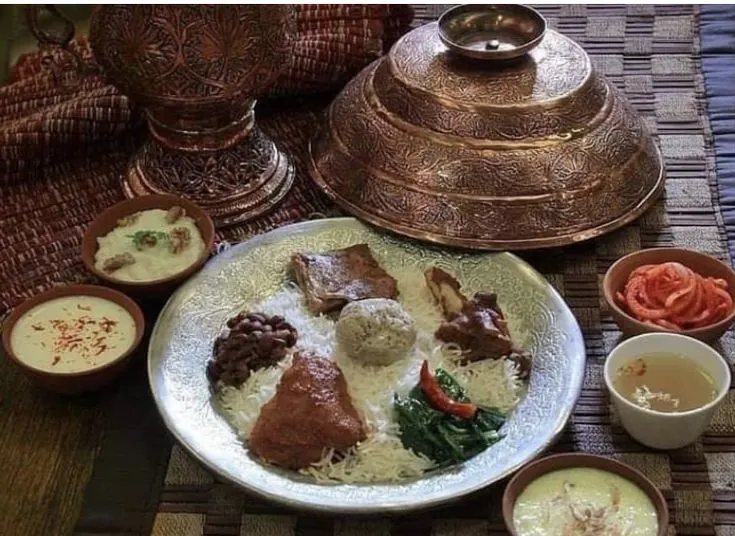
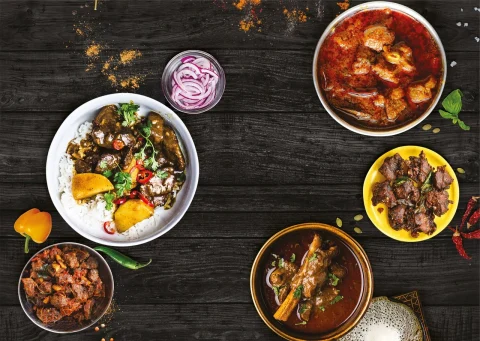
    Wazwaan is the first thing that comes to mind when someone wants to have a feast and wants to taste kashmiri food and all famous varieties in just one meal. It stands as a cultural identity, an affirmation of tradition, and a representation of the variety and richness. The Wazwaan (or Wazwan) is referred to as the “royal feast” of the Kashmir Valley, a traditional multi-course meal using primarily mutton, chicken, spices and aromatics. It is largely associated with Kashmiri weddings, festivals (Eid), and celebratory events.

    wazwaan

    The word “Wazwaan” is the amalgamation of two Persian words: Waza, meaning cook, and Waan, meaning shop or place. Together, these words signify the grand kitchen from which Wazwaan magic unfolds.

    The Significance of Wazwaan in Kashmiri Culture

    In a Kashmiri household, Wazwaan is not food; it is emotions, culture, and a way of life passed down to each successive generation. It resonates from mothers to daughters and mothers and fathers to sons. it is prepared and served at times of marriages, Eid, and other social/cultural functions and serves to strengthen social bonds and demonstrate Kashmiri hospitality. 

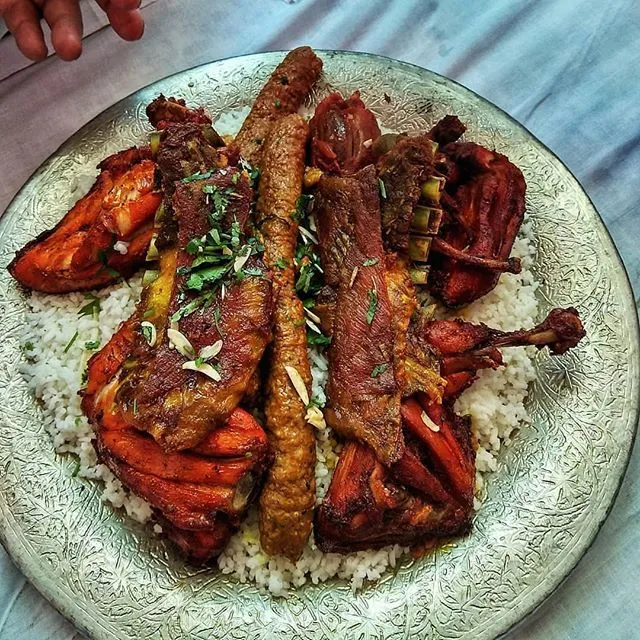
    Guests enjoy more than just food at a Wazwaan; they are invited as esteemed guests at their meal. Sitting together and participating in a meal served on a shared trami (a large copper plate) provides a shared experience, illustrating Kashmiri communal values deeply rooted in Kashmiri society.

    The Waza: Master Chef of the Valley

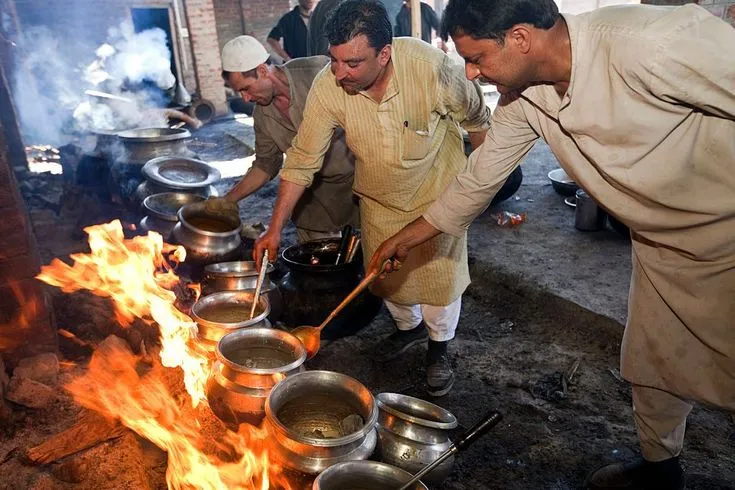
    The waza is the soul behind every wazwaan, bringing life and flavour to the feast. A Waza is a traditional and artisanal chef who takes a lifetime to train. Most Waza are trained from a young age and often under the watchful eye of a father or elder Waza. The recipes they follow have been passed down through generations, memorized as secrets over hundreds of years of tradition, centuries-old and carefully guarded secrets.

    A good Waza not only knows how to cook but also how to balance flavours, time the cooking of each dish perfectly, and manage large-scale cooking in massive copper pots known as degchis. Typical waza loves and prefer to cook on wood-based ovens or oven-like thing, which they make on their own at the wedding site specifically.

    Must-Try Dishes in a Traditional Wazwaan

    Though a complete Wazwaan can include up to 36 dishes, only a few key delicacies truly define this royal meal. These dishes showcase the waza’s mystery and highlight the distinct flavours of Kashmiri cuisine.

    1. Rogan Josh

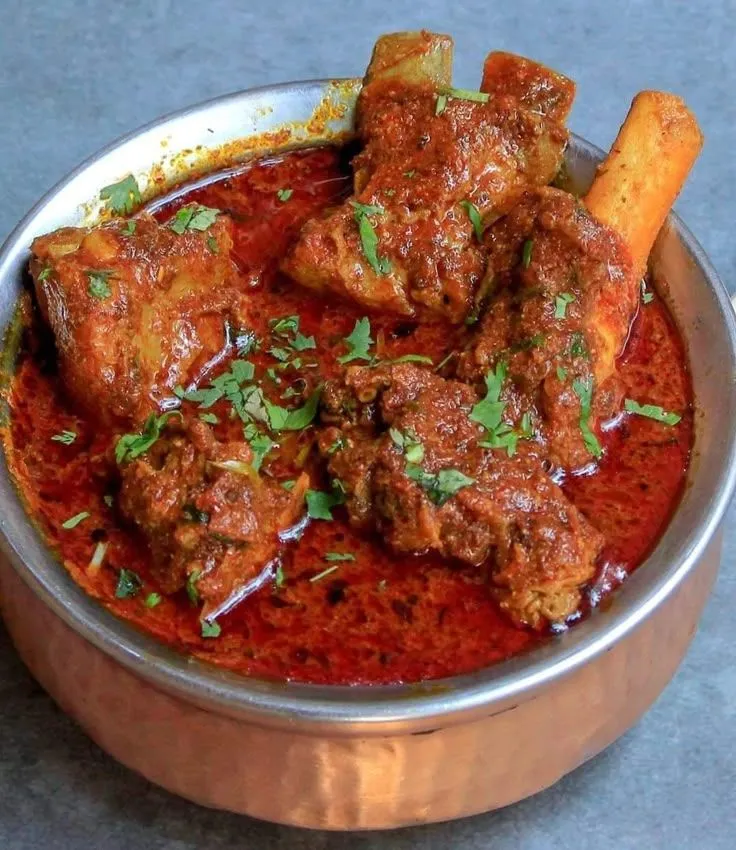
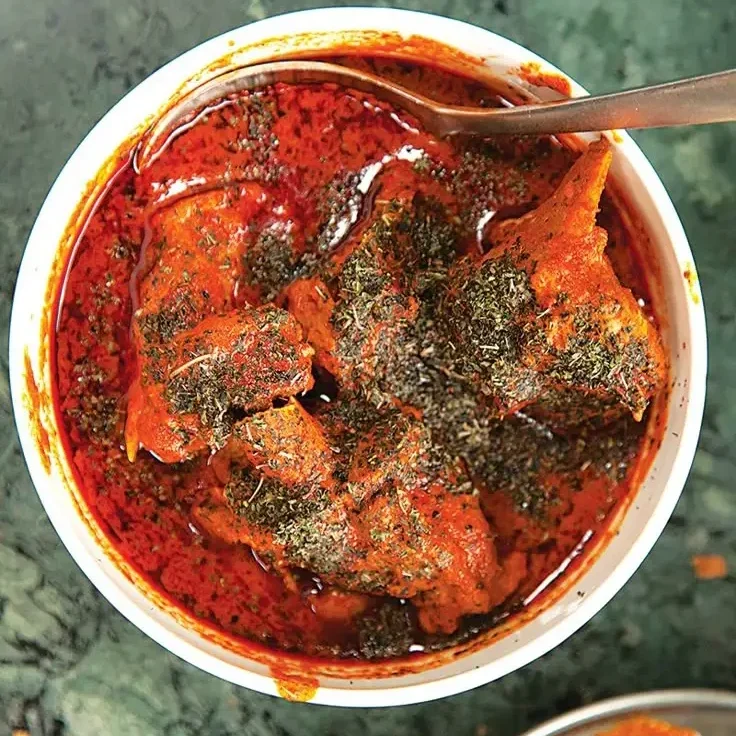
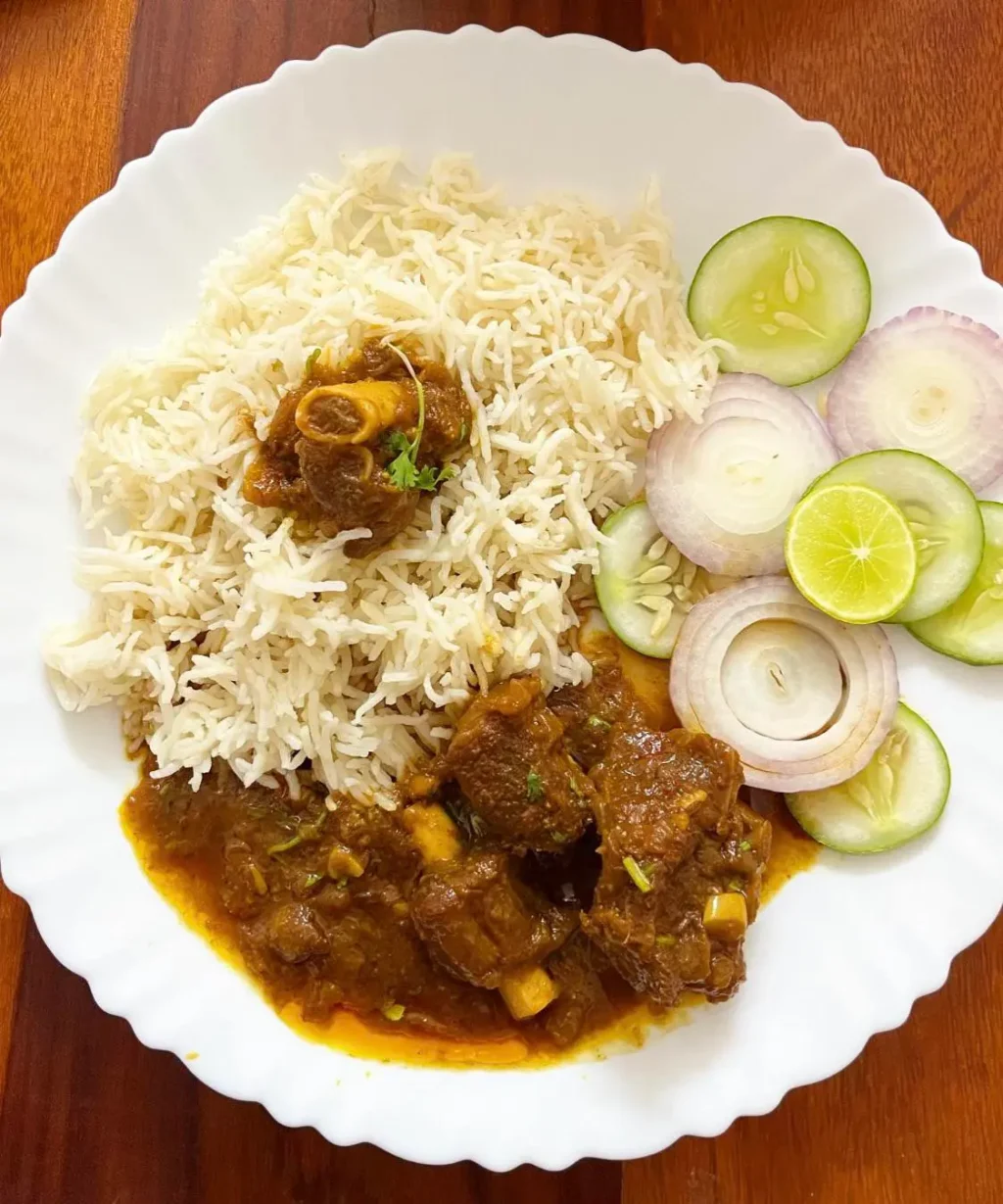
    Rogan Josh is among the most iconic Kashmiri dish. Rogan Josh contains tender pieces of mutton that are simmered in a gravy made from Kashmiri dried red chillies, fennel, ginger powder, and yogurt. Despite its lit red colour, the flavour is considered mild yet aromatic. The result is a rich, luscious curry that melts in your mouth and sets the tone for the rest of the feast.

    2. Gushtaba

    gushtaab

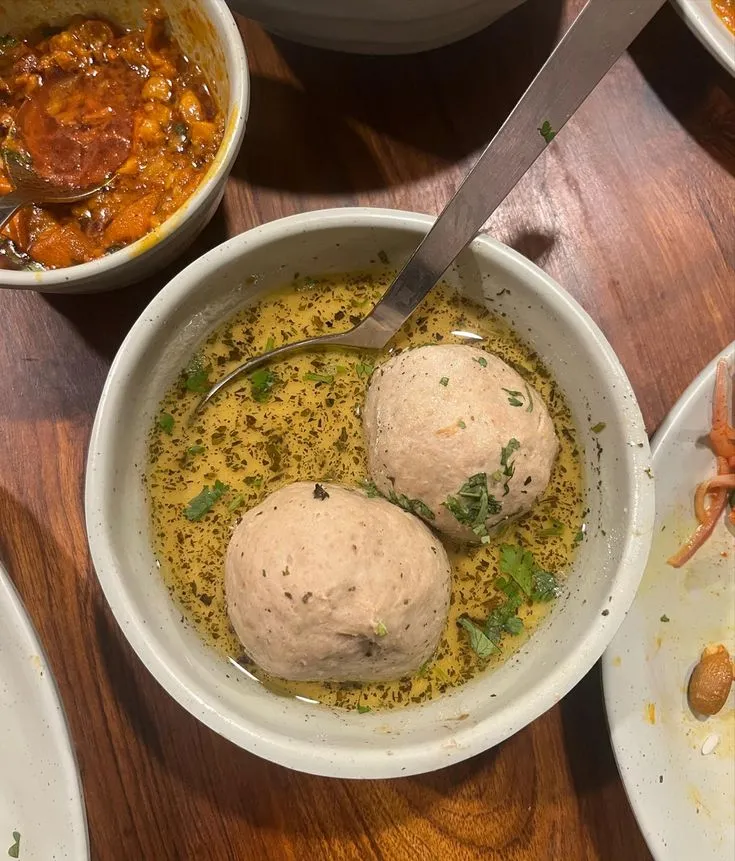
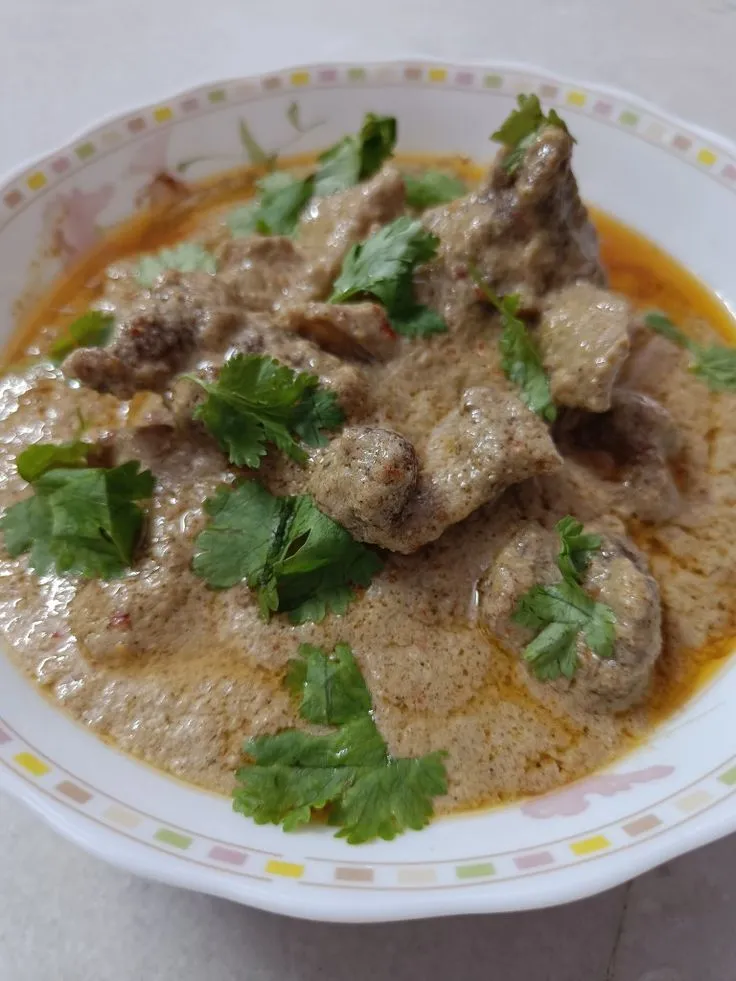
    Often called the  “dish of kings,” it is a velvety meatball crafted from finely pounded mutton, shaped by hand, and simmered in a rich yogurt-based gravy. It’s always served last, signifying the end of the Wazwaan, and is meant to leave a lasting impression. It has a creamy texture.

    3. Rista

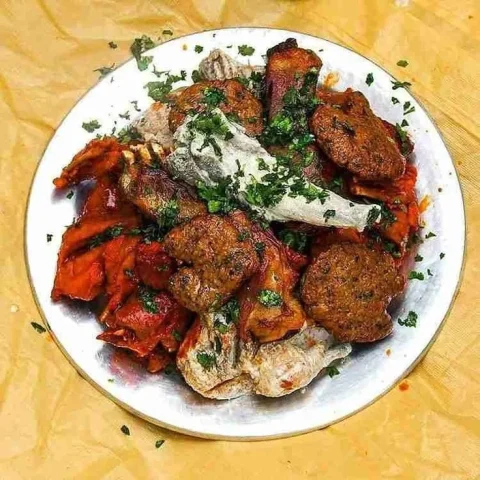
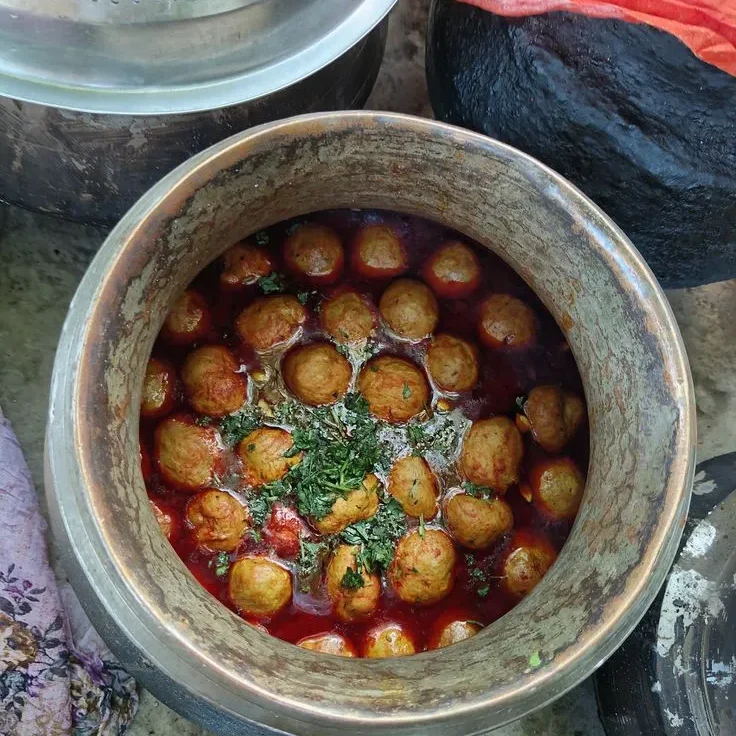
    These are bright red mutton meatballs simmered in a fiery and chili-infused gravy. The preparation involves laborious pounding of mutton into a paste to ensure a light, spongy texture. Served early in the meal, mostly four ristas are served on a trami , and if you know the waza, maybe there is a chance of getting an extra one at a wedding or an event. Rista brings both color and spice to the platter, waking up your palate in the most delightful way.

    4. Tabak Maaz

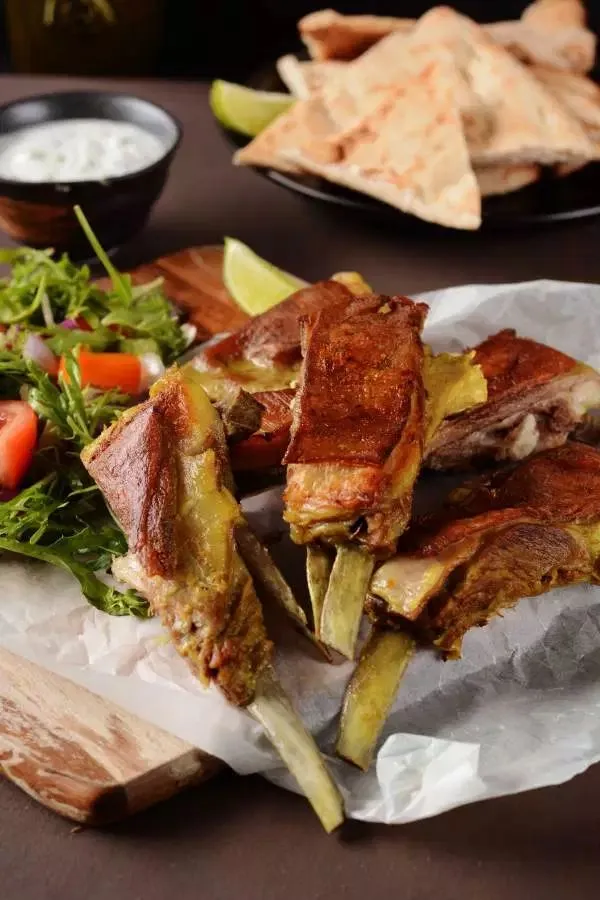
    For meat lovers,  Tabak Maaz consists of lamb ribs, which are first simmered in a spiced milk broth, then shallow-fried in ghee until crisp and golden on the outside. Though the exterior is crunchy, the meat inside remains tender and juicy. It’s usually served right at the beginning to build appetite and excitement.

    5. Marchwangan Korma

    Rephrasing to “red chili curry,” this dish features mutton pieces cooked in a fiery red gravy made primarily of Kashmiri marchwangan (dry red chillies) and yogurt. Unlike Rogan Josh, this one has a hotter profile and is a hit with spice lovers.

    6. Daniwal Korma

    This is a lighter and more aromatic cousin of the other gravies. Cooked with crushed coriander (daniwal), green cardamom, and yogurt, it offers a refreshing change in the sequence of spicy dishes. It brings a herbaceous, subtle flavor that balances out the heat of previous courses.

    Behind the Scenes: The Preparation Process

    Preparing a Wazwaan begins with the planning while having a meeting with the head waza, then making a detailed list of things that are needed; the cooking begins a day (or two) before the event. A team of Wazas, led by a head chef, sets up open-air kitchens or special tented cooking areas. Ingredients are sourced fresh, and meats are cleaned and marinated by hand.

    The pounding of meat, grinding of spices, slow cooking in large copper pots, and the constant supervision make this not just cooking, but a ritual. For Kashmiris, Wazwaan is an act of devotion.

    A Feast with a Flow: How Wazwaan is Served

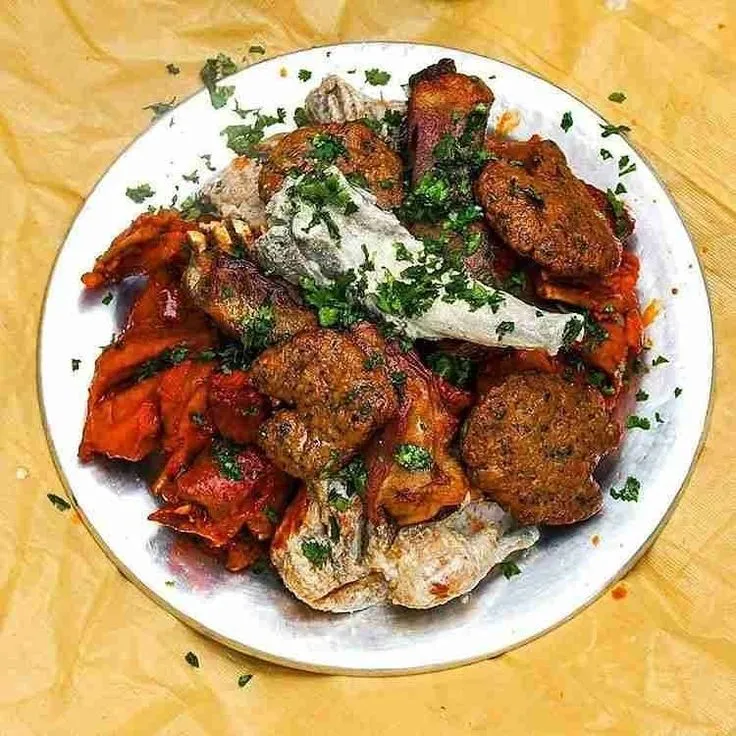
    Wazwaan is traditionally served in a grand copper platter locally known as a trami, shared among four people. The base layer of the trami includes rice, kebabs, and sometimes pieces of chicken or tabak maaz.

    Then begins the parade of dishes, served one after another in a graceful flow by serving Wazas. With each new dish, guests experience a different flavor, aroma, and texture, making the meal both theatrical and memorable.

    Why Wazwaan is a Must-Try Experience for Every Traveler

    Wazwaan is more than feast—it is a cultural ritual woven into the kashmiri identity. For visitors to Kashmir, enjoying Wazwaan is a way to experience the essence of the valley.

    Restaurants in Srinagar and all over Kashmir sell curated Wazwaan experiences. Foodie or cultural explorer, trying Wazwaan should be at the top of your bucket list.

    A Modern Take on a Traditional Treasure

    Although the true essence of Wazwaan is unaltered, modern Kashmiri chefs and restaurants experiment with size (portion size) and presentation for ease of use for tourists and solo diners alike. 

    wazwaan

    Mini-Wazwaans or “Wazwaan platters,” are now served at many eateries across the valley such that even short-stay travelers can enjoy a royal feast.

    More Than a Meal, It’s Kashmir on a Plate

    Wazwaan is a beautiful depiction of Kashmir’s culture: rich, warm, complex, and memorable. Every bite has a few centuries of tradition, centuries of family stories, and the warmth of Kashmiri hospitality.

    So, when you plan your trip to the valley, don’t just see Kashmir – taste it. Let Kashmir Whispers be your guide to a taste of flavor, culture, and unforgettable experiences.

    Explore More with Kashmir Whispers
    Interested in Kashmir’s vibrant culture and cuisine? Check out our other blogs..

  • Authentic Mutton Roganjosh Recipe From Kashmir

    Authentic Mutton Roganjosh Recipe From Kashmir

    Mutton Roganjosh is one of the shining stars of Kashmiri cuisine, a classic dish that flawlessly captures the spirit of the valley. The name itself tells us its story. “Rogan” means oil, and “Josh” refers to intense heat or passion, an appropriate description for this invaluable red curry steeped with spices.

    Originally introduced to Kashmir by the Mughals, and through the years it has developed into a common wild-card dish in the traditional Wazwan meal.

    mutton roganjosh

    Mutton Roganjosh is different from an ordinary Indian curry: mutton roganjosh is known for its deep, vibrant red color achieved not by chilies but by kashmiri red chilies and the unique use of ratan jot (alkanet root) that styles the dish from the base of the curry to the final touches, which artificially give the curry its depth of colour.

    It is a sensory experience — warm, fragrant, and the kind of dish that warms you.

    Ingredients for Mutton Roganjosh

    Here’s what you’ll need to recreate this authentic dish:

    • 1 kg mutton (bone-in pieces, preferably from the leg)
    • 1/2 cup mustard oil or ghee
    • 1 cup yogurt (well-whisked)
    • 1 tsp asafoetida (hing)
    • 2 tsp dry ginger powder (sonth)
    • 2 tbsp fennel powder
    • 5–6 cloves
    • 4 green cardamoms
    • 2 black cardamoms
    • 1 cinnamon stick
    • 1 bay leaf
    • 1 tsp Kashmiri red chili powder (for color)
    • Salt to taste
    • 1/2 tsp turmeric powder (optional)
    • Water as needed

    Local tip: For the most authentic flavor, ask your butcher for “raan” (leg piece of the lamb) and source Kashmiri chili powder for the deep red colour without extreme heat.

    Step-by-Step Preparation of Mutton Roganjosh

    Step 1: 

    Heat mustard oil in a heavy-bottomed pot until it reaches the smoking point.Reduce the heat and add the whole spices cloves, cardamoms, cinnamon, and bay leaf. Let them release their aroma.

    Add mutton pieces and sear them on medium-high heat until they turn golden brown on all sides.  This is an important flavor step and shouldn’t be skipped, because this step locks in the flavor.

    Step 2:

    Add asafoetida, followed by dry ginger and fennel powders. Stir well to coat the meat evenly. Lower the heat and mix in the whisked yogurt gradually to prevent curdling. Stir continuously.

    Step 3:

    Put in Kashmiri chili powder for its signature color. Add salt as per taste, and pour in the water until the meat is just covered. Bring to a boil, reduce the heat, and cover to simmer for 1.5 to 2 hours or until the meat is tender and the gravy thickens.

    Serving Suggestions

    Mutton Roganjosh pairs beautifully with

    • Steamed Basmati Rice—The fluffy grains soak up the gravy.
    • Kashmiri Naan or Sheermal – For a richer meal.
    • Turnip Yakhni – A common winter side dish in Kashmiri homes.
    • Wazwaan — A traditional kashmiri feast.

    Add a bowl of cucumber raita or fresh salad to balance the heat with coolness.

    Tips and Variations

    • Marination Bonus: Marinating the mutton with a bit of salt and yogurt should tenderize the meat even more.
    • Ghee Upgrade:if you want to kick up the flavor, then you can substitute half the oil with ghee.
    • Vegetarian Option: For a vegetarian version, you can use paneer or mushrooms and adjust the simmering time accordingly.
    • Slow Cook: For deeper flavor, cook it over low heat. Patience is the secret spice.

    Cultural Significance of Mutton Roganjosh in Kashmir

    In Kashmir, mutton roganjosh is not just a dish, but it is a memory served on a plate. Mutton roganjosh is perhaps the most celebrated dish of the Wazwan, a ceremonial feast composed of over 30 courses, most of them meat-based. No Kashmiri celebration is complete without it.

    Even in daily life, this dish symbolizes warmth and hospitality. Especially when a guest arrives, serving them mutton roganjosh is a sign of high regard.

    Fun Fact: Many Kashmiri families have their own closely guarded roganjosh recipe passed down through generations from the mothers.

    Pairing It With a Kashmiri Experience

    To truly embrace the essence of mutton roganjosh, imagine dining in a traditional Kashmiri home, sitting on the floor with copper utensils, and being served this hearty dish with rice and kehwa (saffron tea) to finish.

    So whether you’re cooking it in your own kitchen or planning a trip to Kashmir, this dish connects you with Kashmir in the most flavorful way.

    A Dish That Tells a Story

    Mutton Roganjosh is more than a recipe; it’s a culinary history that has been passed down through generations of Kashmiri kitchens. It is that each bite is filled with the smell of saffron fields, the embrace of a traditional home, and the love of a slow-cooked meal. Whether hosting a celebration or it is your first time cooking it, it has the ability to leave its mark on you.

    Ready to Taste Kashmir at Home?

    Bring the magic of the valley into your kitchen with this authentic mutton roganjosh recipe. And if you’re planning a visit, don’t miss trying it fresh at a local Kashmiri home or Wazwan feast. For more soulful recipes and travel insights, check out our other blogs on Kashmir Whispers.

  • Kashmiri Nadru Recipe: Nadru Flavors In Tradiotional Dishes

    Kashmiri Nadru Recipe: Nadru Flavors In Tradiotional Dishes

    Kashmiri cuisine continues to be a highly under-explored culinary reserve and is generally known for its abundance of meat-based dishes. But not many outside the region know that the priceless gem of Kashmiri cuisine is not another protein-based, rich and complex preparation, but the humble Nadru, or lotus stem, also known as lotus root, indigenously grown across its picturesque lakes.

    A porous and fibrous lake vegetable that was once commonly available, Nadru grew to become an irreplaceable ingredient in a traditional Kashmiri kitchen. From regular consumption to festivals, Nadru’s earthy and fibrous texture makes it versatile. From being cooked with green beans in dal, or fried into light and crispy street food called nadir monje, Kashmir’s lotus stem, over decades has grown to become representative of the region, so much so that it has the power to replace the usually superior lamb in traditional yoghurt and a cumin-based dish called yakhni. Known as nadru yakhni, this dish is specially cooked during Nowruz, the Iranian New Year, which is popularly celebrated across the Kashmir valley.

    A Vegetable as good as Meat.

    Nadru’s discovery as a culinary gem dates back to the 15th century during the reign of the eighth sultan of Kashmir, Ghiyas-ud-Din Zain-ul-Abidin. According to local accounts, while on a shikara ride on the Gil Sar lake located on the outskirts of Srinagar, the emperor was first introduced to the brilliance of a lotus plant. Locally harvested by his boatmen, the emperor was served a special evening meal with lotus stems or nadru.

    Already captivated by the beauty of lotus flowers, Zain-ul-Abidin was shocked to know that the chewy, flavourful dish was made out of lotus stems. Captivated by the striking beauty of the plant’s flower and the subtle and sophisticated taste of its stem, he decided to introduce lotus to all the lakes of Kashmir, thus making it a mainstream delicacy available for everybody.

    Moreover, the chefs who migrated from Samarkand city of Uzbekistan to the valley during the 15th-century invasion by Timur, a Turco-Mongol conqueror, used their spices and skills to elevate the ingredients’ brilliance like no other. Soon, from royal kitchens to common households, Nadru began to dominate Kashmiri kitchens with its steamed, boiled, fried, and spiced dishes.

    Owing to its versatility, this food has become a symbol of Kashmir. It is said to be consumed by both Muslims and Pandits, especially during fasts. Its porous texture allows for it to thoroughly absorb all the rich spices and makes for an impressive alternative to mutton or beef while making kebabs, curries, and yakhni.

    What is Nadru?

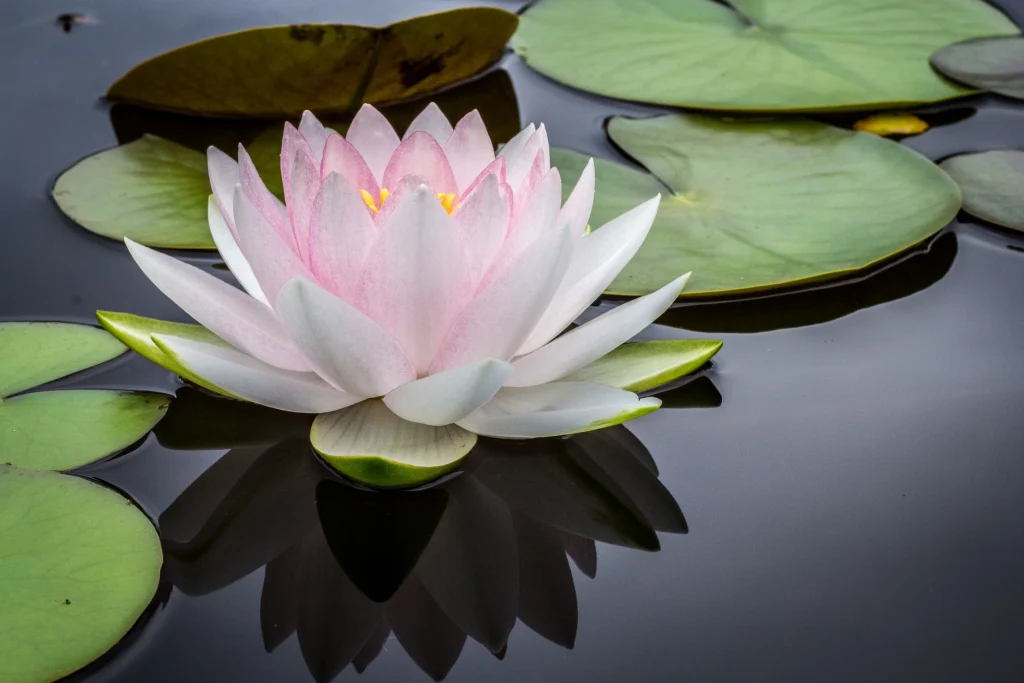
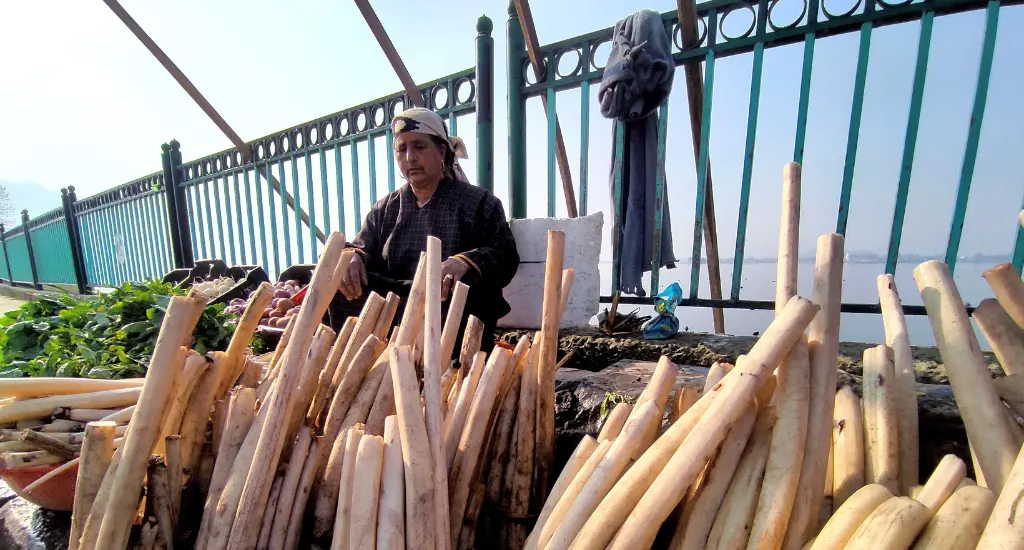
    Lotus is an herbaceous perennial aquatic plant belonging to the Nelumbonaceae family. Lotus stem, locally known as “Nadru” in Kashmir and “Kamal Kakdi” in India, is one of the novelties of the Kashmir valley. It grows in shallow parts of water bodies like Dal Lake, Wular Lake, Mansar Lake, and ponds. The lotus stem, although an expensive delicacy, is much loved in Kashmir and is used in many Kashmiri dishes. In most of the Asian countries, almost every part of this plant is consumed, but here in the valley, only the stem and its seeds are in demand.

    Lotus root is an underwater root vegetable, creamy white in colour with a porous structure, and has a shape resembling a long stick. It can grow up to a length of 4 feet. The distinctive dried seed heads resemble the spouts of watering cans, and they are famous in Kashmir by the name of “Pambach”. The lotus plant is deeply connected to the history of China and India.

    Nadru, or lotus stem, is cherished in Kashmiri households due to its versatility, cultural significance, and nutritional value. It’s a staple vegetable in Kashmiri cuisine, used in numerous dishes, and is particularly valuable on fasting days and during festivals. Such is the craze for this edible stem of the symbolic lotus plant, which serves as a token of love or a prized gift in Kashmir culture. A bunch of Nadru stems is a prized gift or treat exchanged between acquaintances, friends, or relatives, especially during winters and festivities.

    Nutritional benefits of Nadru

    Beyond being a culinary gem, lotus stem or Nadru has several medicinal properties that elevate its gastronomic importance significantly.

    Low in saturated fat and cholesterol, it is also a rich source of dietary fibre, nutrients, and minerals like vitamin C, vitamin B, vitamin E, potassium, thiamin, phosphorus, iron, copper, manganese, and pantothenic acid. Known to be a fat-free vegetable, it is packed with phytonutrients that help in building up a robust immune system and reduce the risk of heart diseases and strokes.

    With good vasodilator properties, Nadru is also said to improve blood circulation and help manage blood pressure. And with vitamin B complex and pyridoxine in it, Nadru is known to aid in reducing stress considerably. Pyridoxine, found in the lotus stem, also contributes to improving heart health in general.

    Also, the abundance of fibre content helps prevent constipation and aids in the digestion process. Eating it once or twice a week, for people suffering from gut-related problems, is often said to be beneficial.

    Popular Kashmiri Nadru Dishes

    Nadru Yakhni is a very popular recipe from Kashmir. Lotus stems are called nadru in Kashmir. It is a very traditional recipe of the Kashmiri Pandit community.

    Nadru yakhni is a very simple curry made with flavourful spices/ garam masala and fresh yogurt. The addition of turmeric is optional. This curry is made without any onion, garlic, gram flour, cashew, etc. I have added 1 tsp of gram flour to avoid curdling of yogurt, but it is optional.

    Kashmiri Nadru Monje is a famous Kashmiri street food recipe. These pakoras are super easy to make, just dip the lotus stem in rice flour, season it with different spices, and deep fry until golden brown. Pair it up with your favourite dip.

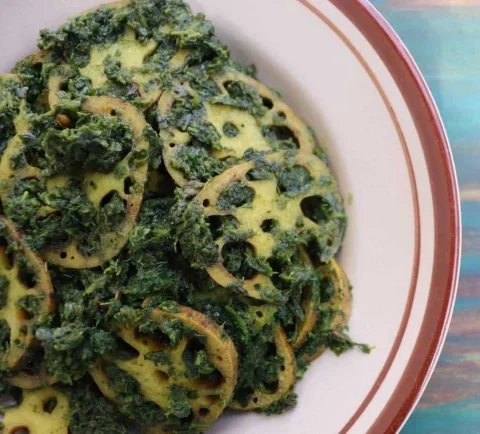
    Kashmiris love both lotus stems and spinach, and if you cook them together, they are in heaven. Use of basic spices makes this dish even more flavourful.

    Step-by-Step Nadru Palak Recipe:

    Ingredients

    • 250 grams of lotus stems, thinly sliced
    • 1 bunch spinach, chopped
    • 2 teaspoons oil + to deep fry
    • Salt to taste
    • 2 tablespoons mustard oil
    • 1 teaspoon caraway seeds (shahi jeera)
    • 1/4 teaspoon asafoetida
    • 1/4 teaspoon dried ginger powder (soonth)
    • 1/4 teaspoon fennel seed (saunf) powder
    • Black salt (kala namak) as required
    • 1/4 teaspoon garam masala powder
    • Red chilli powder to sprinkle

    Method

    1. Heat oil in a non-stick kadai, add lotus stems and a pinch of salt, sauté on high heat for 5 minutes or till they turn golden brown and crisp. Drain on absorbent paper.
    2. Heat mustard oil in the same kadai till it begins to smoke. Add caraway seeds, asafoetida, and spinach and mix well. Add salt and a little water and mix. Cover and cook for 5-7 minutes or till spinach is cooked.
    3. Mash the spinach lightly with the spatula. Add the sautéed lotus stems, dried ginger powder, fennel seeds powder, black salt, and Tata Sampann Garam Masala and mix well.
    4. Reduce heat, add 2 tablespoons water, cover, and cook for 5-7 minutes or till they are just done.
    5. Meanwhile, heat sufficient oil in a deep pan, drop in the lotus stem slices and deep-fry till golden brown and crisp. Drain on absorbent paper, sprinkle black salt and red chilli powder.
    6. Transfer the nadru palak on a serving plate, garnish with the fried lotus stem, and serve hot with rice.

    Cultural and Festival Importance

    In Kashmiri Wazwan—the grand multi-course feast that symbolizes the region’s culinary pride—Nadru holds a special place. Though Wazwan is known for its rich meat dishes, lotus stem is often featured in key preparations like “Nadru Yakhni” (lotus stem in yogurt gravy) or “Nadru Palak” (lotus stem with spinach). Its crunchy texture and earthy flavor add variety and balance to the otherwise meat-heavy menu. Nadru is not just a vegetarian option; it’s a cultural favorite that reflects the harmony between Kashmir’s freshwater produce and its traditional recipes. Serving Nadru in Wazwan is a nod to both seasonal eating and culinary heritage.

    Conclusion

    Nadru, or lotus stem, is not only a culinary staple in Kashmiri cuisine but also boasts significant health benefits and a rich heritage value. It’s a nutritious vegetable, rich in fiber, vitamins (C, B, E), and minerals like potassium and iron. The lotus stem has a unique crunchy texture and is often used in various Asian cuisines, particularly in soups and stir-fries.